An air conditioner normally provides cooling only, while a reversible air-source heat pump provides both cooling and heating by reversing the refrigerant cycle. In cooling mode, neither type is inherently more efficient: compare verified cooling ratings for equivalent loads and conditions. The heat pump becomes more useful when heating is also required, subject to winter capacity, electricity prices and the heater it would replace.
If you only need cooling: A heat pump is not automatically cheaper to run than an air conditioner. Compare cooling efficiency, capacity, and the actual project conditions.
If your home uses electric resistance heaters: A heat pump can usually provide the same amount of heat using less electricity. But it must still provide enough heat on the coldest winter days your system is designed for.
If you are replacing gas or oil: There is no universal winner. Compare local electricity and fuel prices with seasonal heat-pump performance and the efficiency of the existing heater.
A reversible air-source heat pump is an air conditioner in cooling mode, but it can also heat the building. A reversing valve changes how refrigerant moves heat between the indoor and outdoor coils. In this guide, air conditioner means cooling-only equipment, sometimes called straight cool AC, and heat pump means a reversible air-source system.
This guide explains how air conditioners and heat pumps differ, when each system makes sense, and how to compare their running costs. Equipment prices, installation changes, incentives, maintenance and total ownership costs need separate, project-specific checks.
A practical starting point is:
| Your situation | What usually matters most |
|---|---|
| Cooling only, with similar cooling efficiency | AC and heat-pump cooling costs can be similar |
| Cooling plus electric resistance heating | A heat pump usually has a strong heating-energy advantage |
| Cooling plus gas or oil heating | Compare energy prices and seasonal efficiency before deciding |
| One system needed for heating and cooling | A reversible heat pump becomes more relevant |
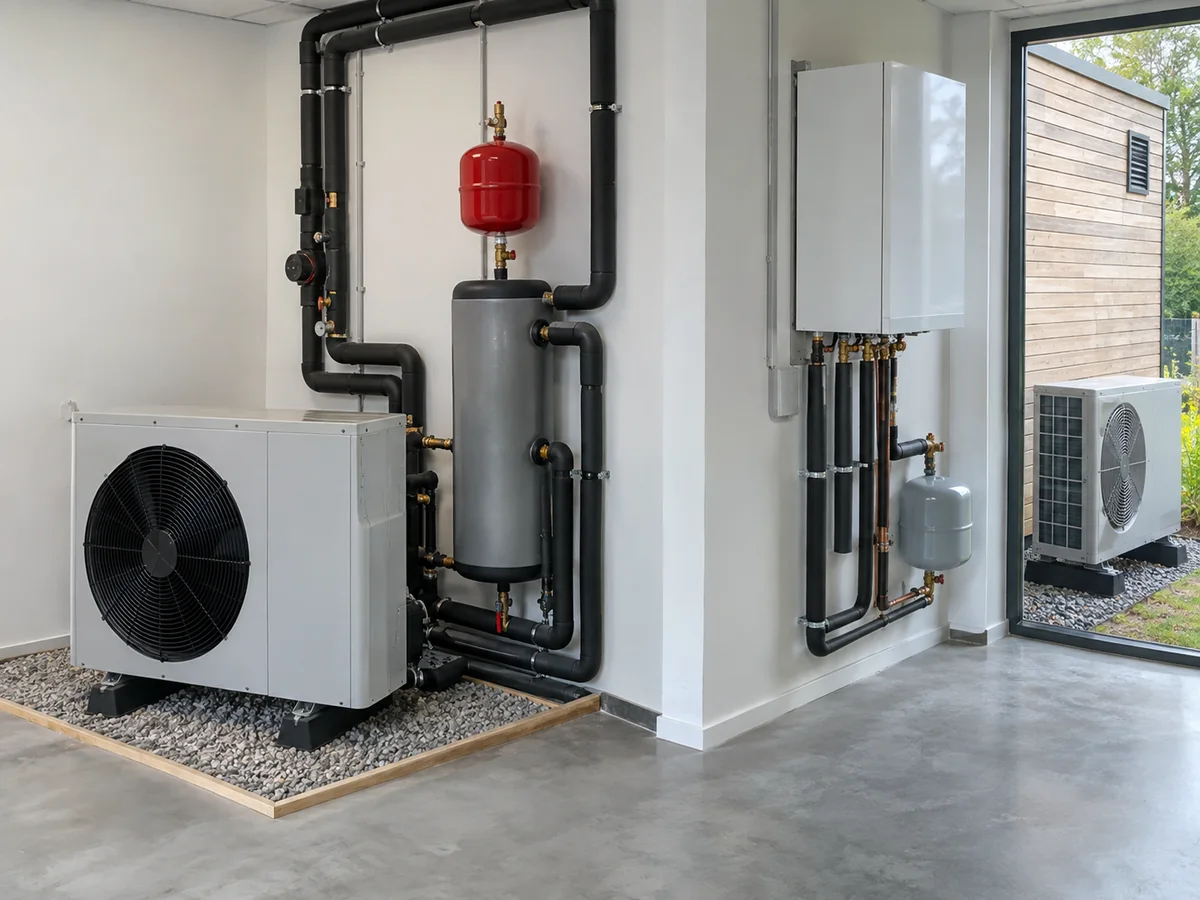
| Water-based heating/cooling or domestic hot water is required | An air-to-water heat pump may be worth evaluating |
| Severe winter conditions | Check heating capacity and efficiency at the winter design temperature |
So the useful question is not simply “Is a heat pump more efficient than an air conditioner?” Ask instead: What does the building need, what heating system will the heat pump replace, and how does the equipment perform in your actual climate?
Heat Pump vs Air Conditioner Efficiency: Is One Cheaper to Cool With?
An air conditioner and a heat pump can cost about the same to run in cooling mode. This is possible when both cool the same space and have similar cooling efficiency. A heat pump’s ability to provide heating does not automatically make its cooling mode more efficient.
In cooling mode, a conventional air conditioner and an air-source heat pump do the same basic job: they use a refrigeration cycle to move heat from inside the building to the outdoors.
For a fair heat pump vs air conditioner efficiency comparison, use comparable cooling ratings . For applicable unitary equipment, the AHRI certification program lists metrics including SEER/SEER2 and EER/EER2, so compare ratings measured on the same basis.
If two systems serve the same cooling load and have similar verified cooling efficiency, their cooling electricity use can also be similar. Real bills can still change because of:
- outdoor temperature;
- thermostat settings;
- part-load operation;
- equipment sizing;
- airflow;
- refrigerant charge;
- indoor/outdoor unit matching;
- controls;
- installation quality;
- building heat gain.
A heat pump is not inherently more efficient than an equally rated AC while cooling. Actual comfort can still differ because of matched equipment, part-load control, installed airflow and moisture removal. In hot or humid climates, check delivered cooling capacity at the summer design temperature and humidity control at relevant operating conditions—not just the labels on the outdoor units.
This is why the labels air conditioner and heat pump are not enough by themselves. In many projects, a central AC vs heat pump comparison is really a choice between a cooling-only central system and a reversible system serving the same building.

If two systems meet the same cooling load at similar verified cooling efficiency, the heat pump does not have an automatic cooling-cost advantage simply because it can also provide heating.
Which Efficiency Numbers Should You Compare?
For cooling, compare SEER2 for standardized seasonal efficiency or EER2 at a defined test condition, where those ratings apply. For heating, use HSPF2 or SCOP within the relevant rating method; the two ratings are not interchangeable. Then check the exact heat pump’s heating output and COP at your building’s design conditions. No single rating predicts the actual energy bill.
| Metric | Used for | What it tells you | What it does NOT tell you |
|---|---|---|---|
| SEER / SEER2 | Seasonal cooling | Standardized seasonal cooling efficiency | Your exact electricity bill, peak-day cooling capacity, or heating performance |
| EER / EER2 | Cooling at defined test conditions | Cooling efficiency at a stated operating condition | Full-season energy use or annual operating cost |
| COP | Heating or cooling at one set of operating conditions | Useful output compared with electrical input at those conditions | Annual heating cost, seasonal efficiency, or performance at a different outdoor or water temperature |
| HSPF2 | U.S. standardized seasonal heating rating | Relative seasonal heating performance under its test method | A dimensionless seasonal COP that can be inserted directly into the operating-cost formula |
| SCOP | Seasonal heating performance under the applicable test method | Seasonal heating efficiency under that test profile | Guaranteed seasonal performance or electricity use for your specific building, climate, and control settings |

A common mistake is to see a COP of 3 or 4 and assume the annual heating bill will automatically be one-third or one-quarter of another system’s bill.
COP tells you performance at one set of operating conditions. Outdoor temperature, the temperature needed indoors or in the water circuit, compressor modulation, frost, defrost, and building load can all change performance through the heating season.
HSPF2 also needs care. Do not put an HSPF2 number directly into a cost formula as though it were a dimensionless seasonal COP. For operating-cost calculations, use a seasonal COP/SPF or another seasonal performance value that matches the application and uses the correct units.
Use these ratings to compare equipment tested on the same basis. For an actual annual-cost estimate, also account for how the load changes through the year, how the unit performs at part load, and whether defrost or backup heating adds energy use. A seasonal rating is a comparison tool, not a promise about one building’s bill.
Why this matters: HSPF2 and COP are different types of ratings. Treating HSPF2 as a dimensionless seasonal COP can produce an invalid energy-cost estimate.
Then check that the unit can still provide enough heating at the cold outdoor temperature used to size the heating system-often called the winter design condition .
Capacity, Efficiency, Power Input, and Operating Cost Are Different
Capacity is the heat or cooling a system can deliver; efficiency describes energy use relative to that output; power input is electrical demand at an operating point; and operating cost adds actual energy use over time and the applicable tariff.
| Term | What it tells you |
|---|---|
| Capacity (kW or BTU/h) | How much heating or cooling the unit can deliver |
| Efficiency (COP, SEER/SEER2, SCOP) | How efficiently the system delivers heating or cooling under the stated test or seasonal method |
| Power input (kW) | How much electrical power the equipment is using at a stated operating point |
| Operating cost | What the energy use costs over the actual load, runtime, climate, and tariff |
A 10 kW heat pump does not necessarily draw 10 kW of electricity . The 10 kW figure may describe heating capacity, while electrical input is a different value.
This distinction matters when comparing energy bills. Capacity tells you whether the system can meet the load; efficiency and power input help explain energy use; operating cost also depends on how long the system runs and what you pay for energy.

Heat Pump vs AC Cost: What Really Changes Your Energy Bill?
Compare the cost of providing the same cooling or heating service over the same period, using local energy prices and realistic system efficiency. Cooling-only AC and heat-pump cooling can cost about the same when their cooling efficiency is similar. Heating costs depend on the heater being replaced, seasonal heat-pump performance and any backup heating; do not compare an AC cooling-only bill with a heat pump bill that also includes heating.
For a heat pump vs air conditioner cost comparison, first separate cooling from heating. If you compare a cooling-only AC bill with a heat-pump bill that also includes heating, the numbers are not directly comparable.
The same rule applies to heat pump vs AC monthly cost . Compare the same month, the same load, the same tariff basis, and the same operating function.
If you want to calculate the cooling side separately, our AC running cost guide shows how power input, operating hours, efficiency, and electricity tariff combine into an electricity-cost estimate.
For a simple heating-cost estimate, start with the heat the building actually needs. Engineers often call this useful heating demand . Then use a seasonal heat-pump performance value that represents the heating season rather than one mild-weather test point.
How to use the formula: First compare the same amount of useful heat from each complete heating option. For heat-pump-only heating, divide the useful heat supplied by the heat pump by its seasonal performance factor, then multiply by the electricity rate. If a separate backup heater also supplies heat, do not calculate heat-pump electricity from the full building demand and then add backup cost. Split the useful heating demand into heat supplied by the heat pump and heat supplied by backup; calculate each source’s purchased energy and cost separately. Alternatively, use a documented whole-system seasonal performance figure that already includes backup heating, without adding the backup a second time.
Estimated heat-pump-only heating cost = useful heat supplied by the heat pump ÷ heat-pump seasonal performance × electricity tariff
If both heat sources operate: Combined heating cost = (useful heat supplied by the heat pump ÷ its seasonal performance × electricity tariff) + (useful heat supplied by the backup heater ÷ backup-system efficiency × backup energy tariff). Use the same useful-heat units for both shares and prices in compatible purchased-energy units. If backup is electric resistance, use the appropriate efficiency and electricity rate; if it uses fuel, use the applicable fuel efficiency and price. Do not add backup cost again when the chosen whole-system performance figure already includes it.
For a fuel-fired heating system:
Estimated fuel-heating cost = useful heating demand ÷ seasonal fuel-system efficiency × fuel tariff
Use compatible units. Electricity and fuel prices need to be converted to the same energy basis, and the efficiency values need to describe comparable useful heat delivery.
For example, if your heat-pump calculation uses a dimensionless seasonal COP/SPF, do not replace it with an unconverted HSPF2 value.

When Does a Heat Pump Become Cheaper to Run?
A heat pump is cheaper to run when it costs less to provide the same amount of useful heat as your current heating system.
The answer depends on local electricity and fuel prices, the efficiency of each system, and whether the heat pump needs backup heating.
After electricity and fuel prices are converted to the same energy unit, heat-pump heating has the lower operating energy cost when:
Electricity tariff ÷ fuel tariff < seasonal heat-pump performance ÷ seasonal fuel-system efficiency
If the heat pump costs less per unit of useful heat delivered, it has the lower heating-energy cost. If the existing heater costs less, the heat pump may not reduce your heating bill.
Example boundary: Any prices or efficiency figures in the calculation below are hypothetical inputs, not an Airproz product rating or a guaranteed local tariff. The example compares heating-energy cost only; it excludes equipment, installation, maintenance, incentives and financing. Unless backup heating is explicitly included in the example, add its modeled energy use before applying the result to a real project.
How to use this rule: First convert both tariffs to cost per kWh of purchased energy. If electricity costs 0.20 per kWh, fuel costs 0.08 per kWh of fuel energy, the estimated heat pump seasonal performance is 3.0, and the existing heater seasonal efficiency is 0.90, the heat pump costs about 0.067 per kWh of useful heat (0.20 ÷ 3.0), versus about 0.089 for fuel heat (0.08 ÷ 0.90). These are illustrative inputs, not published market prices or a project forecast. Change any of the four inputs and the decision may change. The examples exclude backup heat and other tariff components unless stated.
What if electricity costs more? Keeping the same illustrative efficiencies and fuel price, an electricity rate of 0.30 per kWh would bring the heat-pump-only cost to about 0.10 per kWh of useful heat (0.30 ÷ 3.0). That is higher than the fuel example’s roughly 0.089 (0.08 ÷ 0.90). These figures are hypothetical and assume no backup heating in the comparison. Real projects must use local prices, a representative seasonal performance estimate and any backup energy use.
If your electricity price changes by time of day, apply each rate to the hours when the heat pump actually uses electricity instead of using one flat price. Where demand charges apply, any extra peak electrical load—including auxiliary heat—can change the result. Keep energy-use charges separate from fixed account charges, and do not double-count fees shared by both options.
Lower Energy Bill Does Not Always Mean Lower Total Project Cost
No. Lower operating energy cost may be outweighed by higher installation, electrical upgrade, maintenance or financing costs, so compare total project costs separately.
Compare complete systems that deliver the same functions: (1) a new cooling-only AC while keeping an existing heater that is still suitable; (2) a new AC plus a replacement heater when both systems are due; and (3) a heat pump with any required indoor equipment, electrical upgrades and backup heating. Compare installation changes and maintenance separately from operating energy, over a stated ownership period. Lower heating electricity cost alone does not prove lower total project cost.
A heat pump can reduce operating energy use and still require a higher total project investment. That can happen when a retrofit needs electrical upgrades, control changes, backup heat, new indoor equipment, or changes to a water-based heating system.
This article compares operating energy cost , not complete lifecycle cost. Equipment price, installation changes, maintenance, financing, incentives, and expected service life should be reviewed separately before making an investment decision.
If the Heat Pump Replaces Electric Resistance Heating
If your building uses electric resistance heaters, a heat pump can usually provide the same amount of heat with less electricity.
This is because a heat pump moves heat instead of producing it directly from electrical resistance. Actual savings depend on winter conditions, seasonal efficiency, and how often backup heating runs.
Current U.S. Department of Energy Home Upgrades guidance says heat pumps can reduce electricity use for heating by approximately 65% compared with electric resistance heating .
Evidence note: Current U.S. Department of Energy consumer guidance says heat pumps can use about 65% less electricity for heating than electric resistance heating. This comparison applies to heating electricity, not total building energy cost or every project.
If your project currently relies heavily on resistance heating, a heat pump is usually worth serious consideration from an operating-energy point of view.
If the Heat Pump Replaces Gas or Oil
A heat pump is not always cheaper to run than a gas or oil heating system.
Buyer check: Ask for a comparison based on the same annual useful heating demand. Record the electricity rate, gas or oil price in compatible energy units, seasonal heater efficiency, estimated heat-pump seasonal performance and backup-heater contribution. Without these, a lower electricity-use figure does not prove a lower bill.
A heat pump may use less purchased energy to deliver the same useful heat, but the IEA Heat Pump Monitor 2026 notes that operating economics are strongly affected by energy prices. In one market, the heat pump may be cheaper to run. In another, gas or oil may still cost less.
If the existing furnace or boiler will remain as backup, the operating cost also depends on when the system switches between heat sources. Compare the heat delivered by each source, the energy price at those times and the control settings. A lower heat-pump electricity-use figure alone is not enough to predict the bill for a dual-fuel setup.
A dual-fuel system can change heat sources for two different reasons. The heat pump may no longer provide enough heat for the building at a cold outdoor temperature, or the backup fuel may become cheaper per unit of useful heat at a different temperature. These are not necessarily the same switching point. Compare the heat pump’s capacity curve with the building load, then check marginal heating cost using local rates and compatible controls before choosing a changeover setting.

Check:
- local electricity price;
- local gas, oil, or other fuel price;
- seasonal heat-pump performance;
- seasonal efficiency of the current heater;
- annual heating demand;
- time-of-use rates or demand charges if they matter to the project.
If your current system uses gas, compare the heating economics and retrofit requirements in our heat pump vs gas boiler guide before treating the heat pump as the lower-cost option.
There is no universal winner when a heat pump replaces gas or oil. Compare local energy prices, seasonal heat-pump performance, and the seasonal efficiency of the existing heater.
Why One COP Number Cannot Predict the Annual Bill
A single-point COP cannot predict seasonal energy use because outdoor temperature, heating load, defrost, supply temperature, control behavior and backup-heater demand all vary.
A strong COP at mild outdoor temperature does not mean the heat pump will keep the same COP on the coldest day of the year.
Cold weather creates two problems at the same time. The building usually needs more heat, while the heat pump has to work across a larger temperature difference. If a hydronic system also needs hotter water, the unit has an even harder job.
That means the heating load can rise while the heat pump’s efficiency-and, depending on the unit, available heating capacity-can fall.
Instead of asking “What is the maximum COP?” , ask:
“How much heat can this unit deliver at the temperatures my project actually sees, and what is its efficiency at those same conditions?”
Heat Pump or Air Conditioner: Which One Fits Your Project?
Choose a cooling-only AC when cooling is the main need and suitable heating already exists. Consider a reversible heat pump when both heating and cooling are needed, especially if it would replace electric resistance heat. For gas or oil replacement, compare local energy prices, seasonal performance and winter capacity before choosing.
| Your situation | Start with | Why | What to check |
|---|---|---|---|
| Cooling only; existing heating is suitable | AC or heat pump based on verified cooling performance | Heating mode adds little energy value if it is never used | Cooling efficiency, capacity, design ambient |
| Cooling plus electric resistance heating | Heat pump | Heat transfer can substantially reduce heating electricity | Seasonal heating performance and winter capacity |
| Cooling plus gas/oil or dual-fuel heating | Compare both options | Local energy prices can change the cheaper option | Time-varying tariffs, seasonal performance, existing-heater efficiency, backup share and controls |
| One system needed for heating and cooling | Air-to-air/reversible heat pump | One refrigerant system can provide both modes | Climate, load, and heating capacity |
| Water-based heating/cooling or domestic hot water is required | Air-to-water heat pump, if the model supports the required functions | Water-side loads change the system design | Required water temperature, radiators/fan coils/floor heating, pipework, DHW needs, model capabilities |
| Severe winter climate | Heat pump only after low-temperature checks | Cold weather changes both building load and heat-pump performance | Capacity and COP at winter design temperature; hydronic water temperature and backup heat where relevant |
| Cooling-dominant hot climate with little heating | Cooling performance first | Heating savings may add little to annual energy use | High-ambient cooling capacity and efficiency |
Replacing an Existing AC With a Heat Pump?
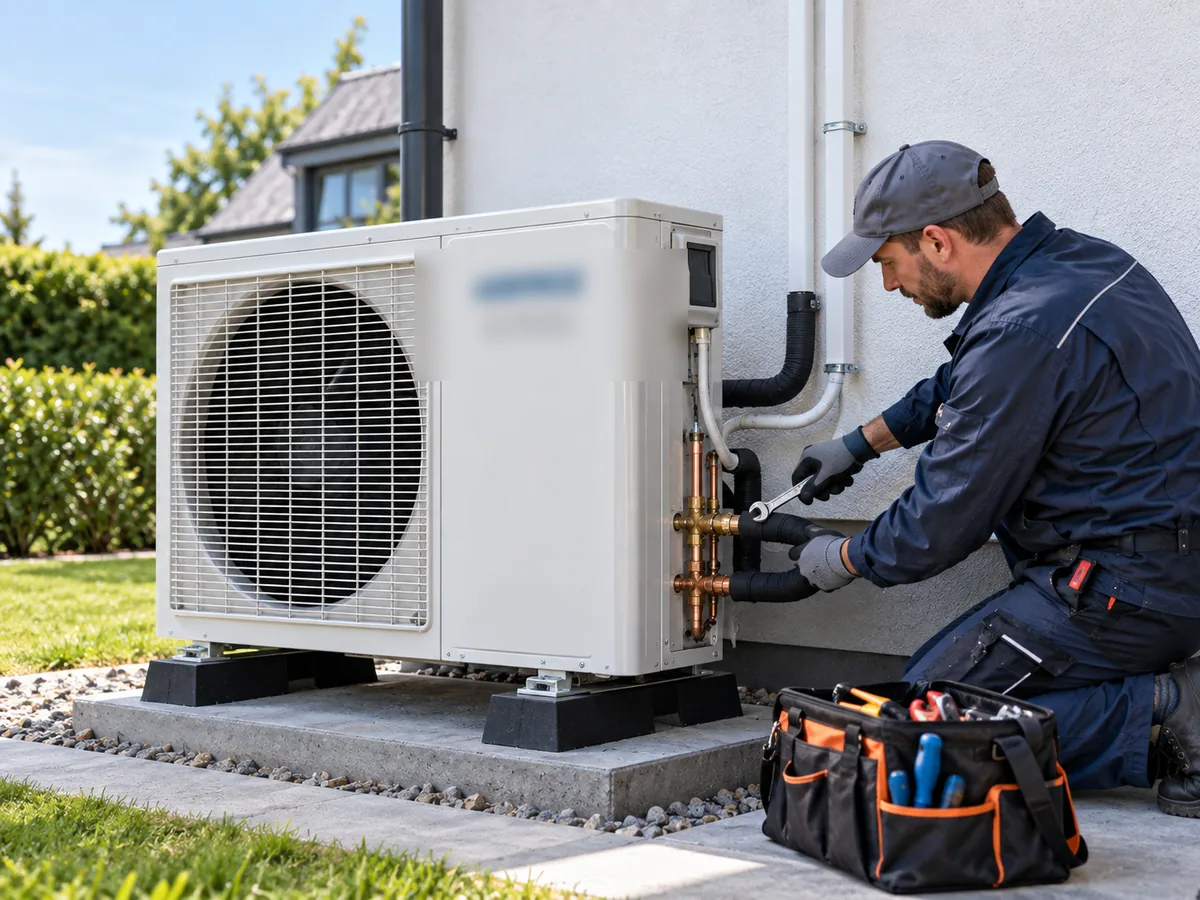
Replacing an air conditioner with a heat pump may involve more than changing the outdoor unit.
What may stay, and what must be checked: Existing ductwork and some electrical infrastructure may be reusable if they pass the new system requirements. Do not assume the indoor coil, air handler, thermostat, refrigerant piping or controls are compatible. Ask the installer to document approved equipment combinations and any parts that must be replaced before estimating the retrofit cost.
Review:
- whether the existing indoor unit or air handler is compatible with heat-pump operation;
- whether the thermostat and controls support heating, cooling, defrost, and any backup heat;
- whether the electrical supply has enough capacity for the new equipment and any auxiliary heater;
- whether backup heat is needed at the winter design condition.
- whether the ductwork can handle the required airflow;
- whether the existing refrigerant piping is compatible with the selected equipment and refrigerant;
- condensate drainage and service access;
Even when existing ducts or wiring can be reused, check the manufacturer’s approved indoor/outdoor combination. The installer must verify heating airflow, thermostat changeover and defrost controls, any auxiliary heater and its electrical load, outdoor clearances, and condensate or defrost-water drainage. A system that passes cooling-only installation checks is not automatically ready for safe winter heating.
If the project is changing from a direct-expansion AC system to an air-to-water heat pump, also check the water-side system. Radiators, fan coils, floor heating, pipework, pumps, and the required water temperature can all affect whether the retrofit is practical.

A retrofit can still make sense, but the heat pump vs AC cost comparison should include the work needed to make the existing building compatible with the new system.
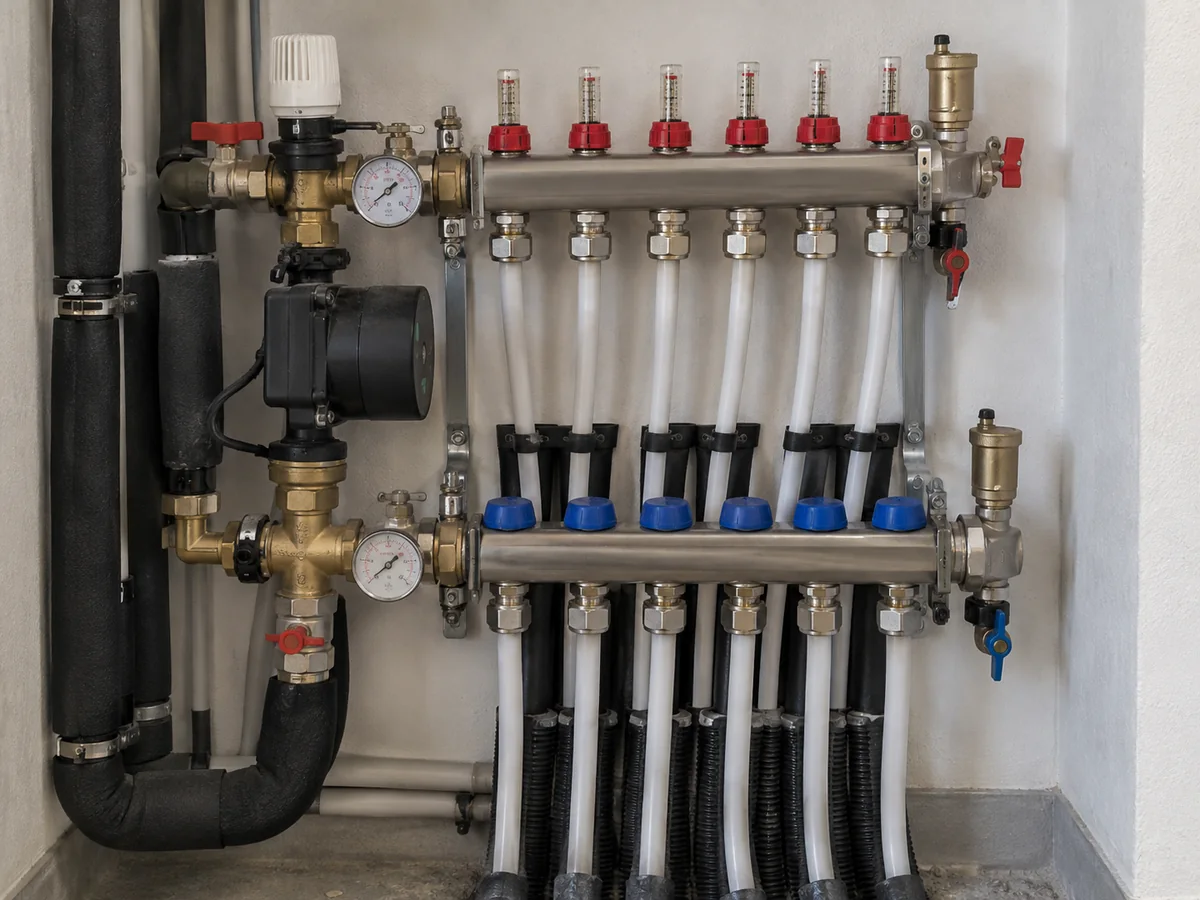
Retrofit feasibility also depends on equipment location, clearances, electrical supply, drainage, and existing system connections. Our air-source heat pump installation guide explains the main site checks before final equipment selection.
Does Climate Change Which System Is Better?
Yes. In very hot climates, compare actual high-ambient cooling performance; in cold climates, compare heat-pump output and COP with the building heat loss at the same winter design condition. Climate does not determine the answer from its location label alone.
The lowest permitted operating temperature does not tell you the heating capacity or COP available at that temperature.
If a unit is advertised to operate at -25°C, that does not prove it will still deliver its nominal heating capacity or its mild-weather COP at -25°C.
For a cold-climate project , start with the coldest design condition the building is expected to see. Then check:
- how much heat the building needs at that temperature;
- how much heating capacity the heat pump can still provide;
- the COP at the same operating point;
- whether backup or auxiliary heat is needed;
- defrost behavior where it matters.
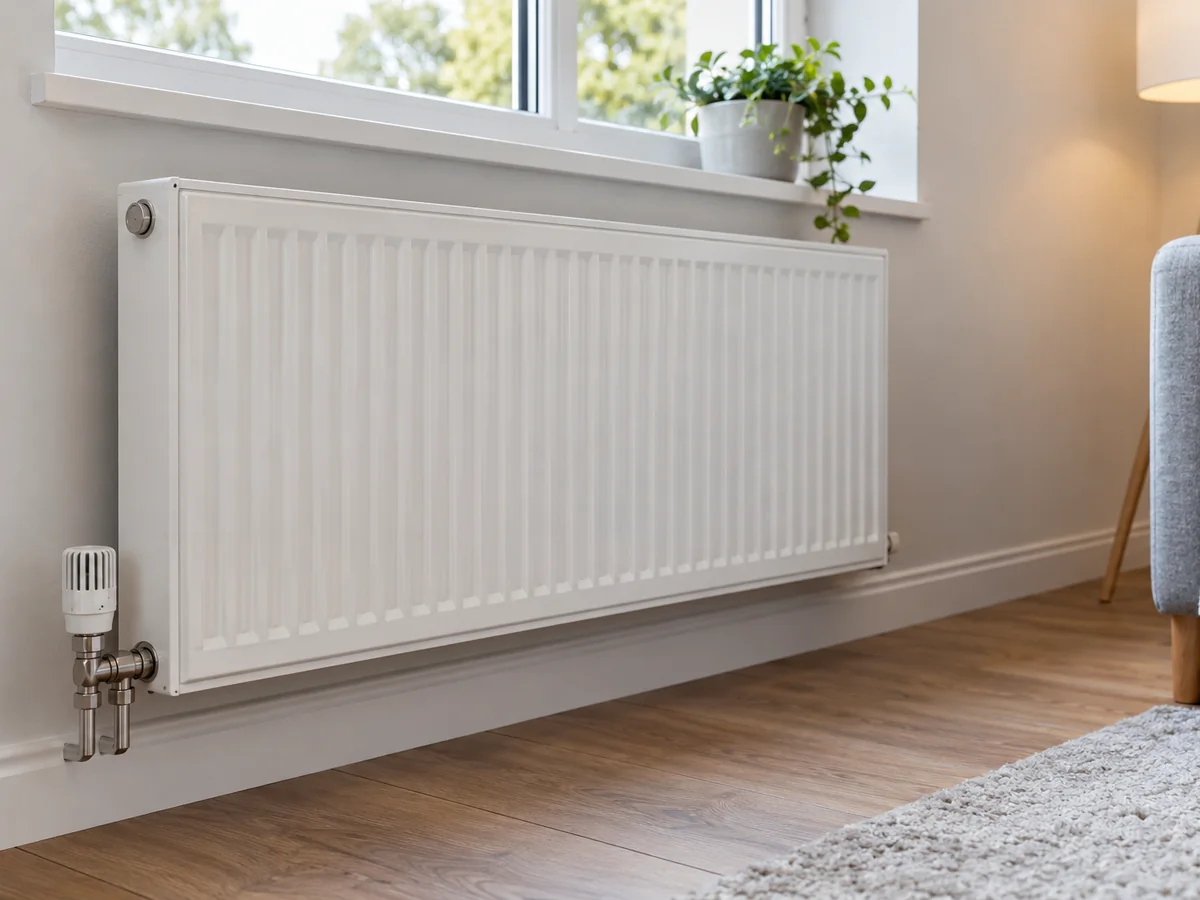
For a water-based system, also check the water temperature the radiators, fan coils, or floor heating need. This is called leaving-water temperature (LWT) -the temperature of the water leaving the heat pump and going into the heating system.
Why this matters: Heat-pump performance published at one water temperature may not apply when the building requires hotter water. Check capacity and COP at the LWT your system actually needs.
Cold weather can increase the building’s heating demand while also making the heat pump work harder. If the project needs a high LWT at the same time, efficiency and available capacity may drop further.
Consider an older, poorly insulated home in a cold location with radiators that need relatively hot water. Its heating load may be high just when the outdoor air is cold and the heat pump must produce hotter water. Check the model’s available heating output and COP at the same outdoor temperature and required leaving-water temperature, then compare output with the building’s design heat loss. If capacity is short, assess reducing building heat loss, changes to radiators or a properly designed backup system before choosing the unit.
Do not choose a heat pump from its minimum operating temperature alone. Check heating capacity and COP at the actual winter design temperature.
Cold Weather + High Building Heat Loss
A heat pump must provide enough heat to keep the building warm on a very cold winter day.
If the heat pump cannot meet the full load, check whether a suitable backup heating system is needed.
If backup heating is needed, compare the building’s design heat loss with the heat pump’s available output at the same outdoor temperature and, for water-based systems, the required water temperature. If the building load is higher, the positive difference is the heating shortfall to cover under the planned control strategy. Check the backup heater’s usable output, power or fuel supply, and whether the controls allow the two sources to operate together or switch between them. Also confirm how indoor heating is maintained during defrost. Do not add nameplate capacities unless simultaneous operation is supported by the actual system design.
A heat pump may still operate normally at a low outdoor temperature and still be too small for the building. Poor insulation, high air leakage, large glazing areas, or high ventilation loads can push the building heat loss above the unit’s available capacity at that condition.
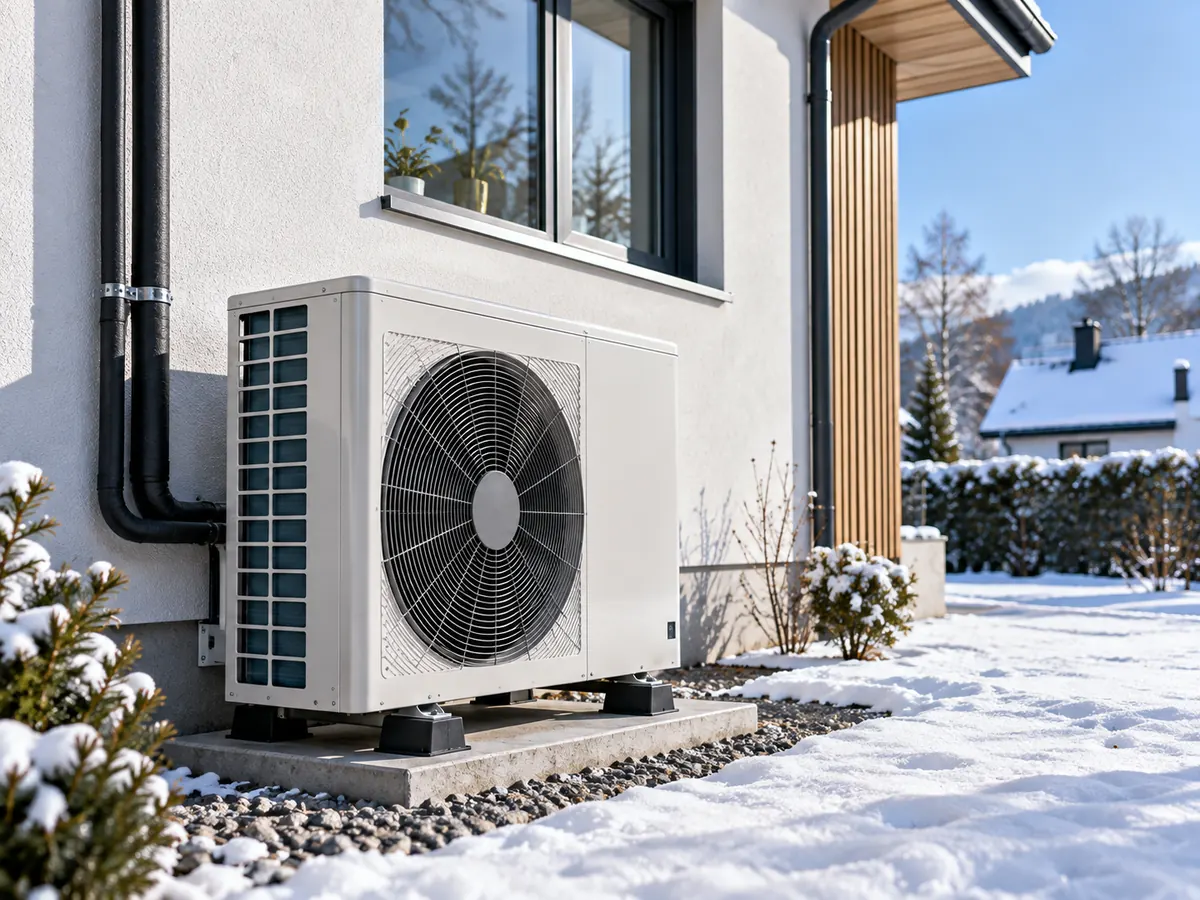
In cool, humid weather, frost can form on the outdoor coil and trigger defrost. Defrost temporarily uses capacity to clear the coil, so it can affect delivered heat and seasonal energy use.
In damp, near-freezing weather, defrost can matter even when the temperature is not at its lowest. Check how the selected system maintains indoor heat during defrost and whether controls, auxiliary heating or—where applicable—water-system thermal storage are part of the design. Do not estimate seasonal heating cost from a mild-weather COP that ignores these operating periods.
The maximum leaving-water temperature is an operating limit, not a guarantee of nominal heating capacity or rated COP there. Check both the design outdoor temperature and the required water temperature in the model’s performance data.
As one example, the current ENERGY STAR Cold Climate designation for eligible U.S. residential central air-source heat pumps checks low-temperature performance at 5°F (-15°C). The current criteria include a COP of at least 1.75 at 5°F and at least 70% of the unit’s 47°F heating capacity retained at 5°F.
Scope note: The 5°F COP and capacity-retention figures above are ENERGY STAR U.S. residential cold-climate qualification criteria. They are useful as a verification example, not as a universal requirement for commercial or global heat-pump projects.
In a mild climate with low-temperature heating distribution, these cold-weather penalties may matter much less.
Air-to-Air or Air-to-Water: Which Heat Pump Do You Need?
Choose an air-to-air heat pump when the system needs to heat or cool indoor air directly. Choose an air-to-water heat pump for a compatible water-based system, such as radiators or underfloor heating. For air-to-water systems, verify the required water temperature and whether the exact model supports any planned cooling or domestic-hot-water function.
Why water temperature matters: A building with radiators that need hotter water can require more electricity from the same heat pump than a system operating with cooler water. Before selecting an air-to-water model, check the radiator or floor-heating requirement and the manufacturer’s capacity and COP at that leaving-water temperature and the winter design outdoor temperature. Do not treat a model’s maximum water temperature as its normal efficient operating point.
For a water-based retrofit, compare the heat pump’s required flow range with the circulator’s available flow at the calculated pressure loss through the pipes, valves and terminals. Then check whether the radiators or fan coils can deliver the building’s design heating load at the planned supply and return water temperatures. A heat pump may be capable of producing hot water while the installed circuit still fails to move or release enough heat to the rooms.
A heat pump piping and wiring schematic can help identify the pumps, valves and control connections in a system, but the exact model’s approved installation documents are still needed for connection and flow checks.
If you mainly need room heating and cooling, an air-to-air heat pump is the more direct comparison with a conventional AC. It heats or cools indoor air through refrigerant-based indoor units or air-handling equipment.
If the project needs water-based heating-often called hydronic heating -start looking at an air-to-water heat pump . It transfers heat into a water circuit instead of sending heating or cooling directly to the room air.
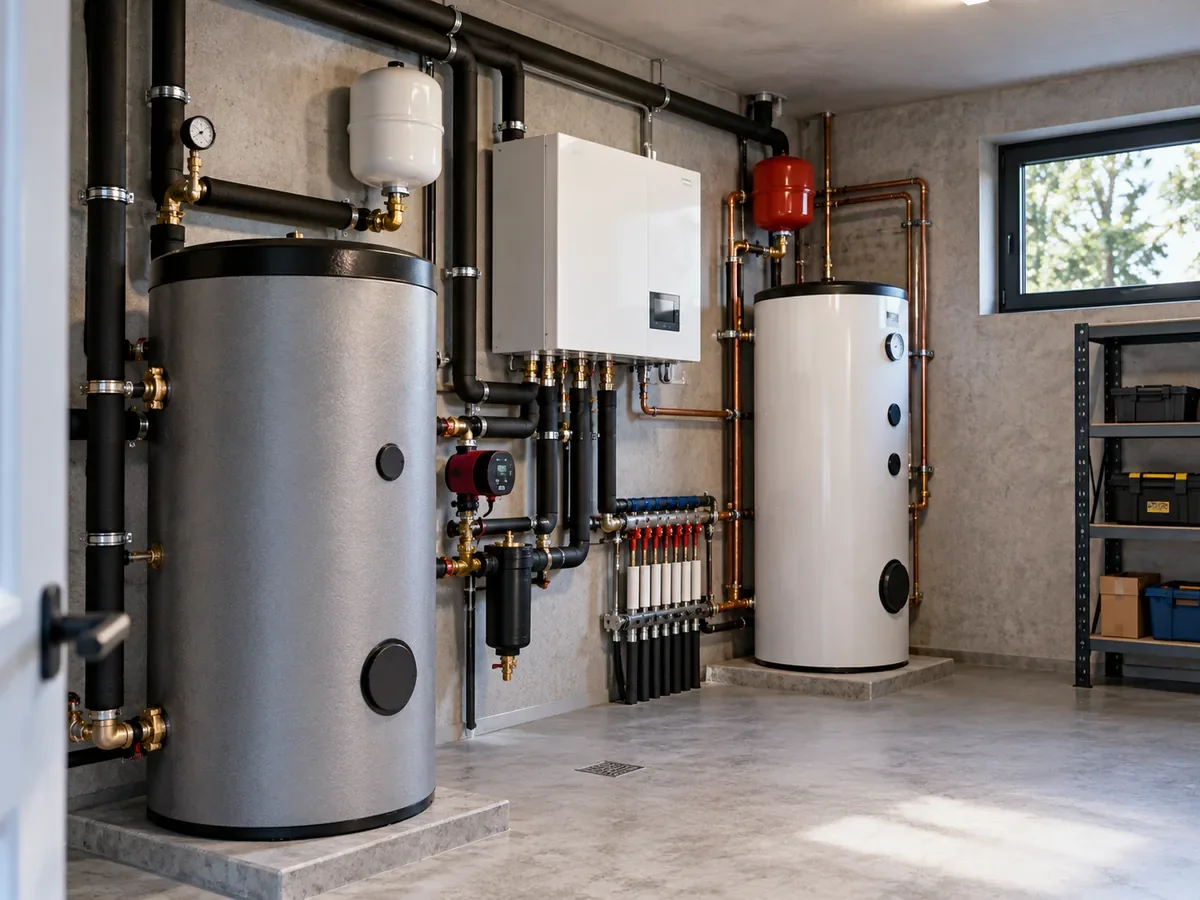
Depending on the model and system design, an air-to-water system may support hydronic space heating, compatible fan-coil cooling, radiant heating, or domestic hot-water integration. Do not assume every air-to-water heat pump provides every function.
| What you need | Air-to-air heat pump | Air-to-water heat pump |
|---|---|---|
| Direct room cooling | Yes, when designed for cooling | Possible through compatible chilled-water terminals when the system supports cooling |
| Space heating | Yes | Yes, through compatible hydronic emitters |
| Water circuit | Not required | Required |
| Domestic hot water | Not normally its main function | Possible when the model and system are designed for DHW |
| Hydraulic design | No water-side circuit | Required |
| Best fit | Room heating and cooling | Water-based heating/cooling and DHW integration |
Water-based cooling needs compatible indoor terminals, not just a heat pump with a cooling mode. Chilled surfaces can fall below the indoor air’s dew point and collect moisture. Depending on the terminal design, safe operation may require condensate drainage, insulation and dew-point or supply-water-temperature controls. Do not assume existing heating radiators or underfloor loops are suitable for cooling without a verified design.
If the building only needs room heating and cooling, adding a water circuit may add complexity without solving another problem. If the project must serve radiators, floor heating, fan coils, or domestic hot water, an air-to-air comparison by itself is incomplete.
What Should You Check Before Choosing?
Start with calculated heating and cooling loads and your local summer and winter design temperatures. Check whether the building needs air distribution or water-based heating, and compare each model’s available output at those conditions. Before choosing a model, verify the existing equipment, electrical supply, controls, installation constraints and local energy prices.
For Cooling
Use the calculated cooling load and summer design ambient to confirm delivered cooling capacity and efficiency for the actual matched system.
Check:
- the summer design temperature;
- the cooling load or required cooling capacity;
- the cooling-efficiency rating used in your market;
- high-ambient performance if the project is in a very hot climate;
- whether the indoor and outdoor units are a verified match.
For a ducted system, also check whether the installed ducts, filters and indoor fan can deliver the airflow required by the matched equipment. A nameplate capacity rating does not prove that the rooms will receive the same cooling output when airflow or duct resistance is outside the approved range.
For Heating
Check design winter heat loss against available heating output and COP at the same outdoor condition, including required supply temperature and backup-heat strategy.
Check:
- the winter design temperature;
- how much heating capacity is needed at that temperature;
- seasonal heating performance;
- low-temperature COP and heating capacity when they matter;
- whether backup or auxiliary heating is needed;
- defrost behavior in climates where frost is a concern.
For the Building and Energy Supply
The existing heating equipment, distribution system, building demand and local energy tariffs can reverse the apparent benefit of switching to a heat pump.
Check:
- how much of the year is dominated by heating versus cooling;
- the current heating system;
- local electricity price;
- gas, oil, or other fuel price where applicable;
- whether domestic hot water is required;
- whether the building already uses a water-based heating system;
- the water temperature required by radiators, fan coils, or radiant floors.
These details are more useful than asking whether an air conditioner or heat pump is “better” in general.
What Happens If the System Is Sized Wrong?
A system that is too small may struggle to keep the building comfortable on very hot or cold days. A heat pump may also need more backup heating.
A system that is too large can also cause problems. It may turn on and off too often when the building needs less heating or cooling. This can affect comfort and humidity control.
Even variable-speed equipment has a lowest output level. Check the model’s minimum capacity as well as its maximum capacity.

This matters especially in a humid climate. If an oversized unit cools the air quickly and stops before removing enough moisture, rooms can feel damp even when the thermostat temperature looks right. An inverter can reduce output, but it may still cycle if the building’s load falls below its minimum capacity. Check both peak cooling load and lower-load humidity control.
Do not size an air conditioner or heat pump from floor area alone. Floor area is only one input and does not show the full heating or cooling load.
If the unit is too large , the result depends partly on how the equipment controls capacity. A fixed-capacity system may cycle frequently at low load. An inverter air conditioner or variable-speed heat pump can reduce compressor output, but oversizing can still become a problem when the building load falls below the unit’s minimum modulation capacity . In cooling mode, repeated cycling can also reduce humidity control. Bigger equipment can cost more without giving you a lower energy bill.
Start with the building load, summer and winter design temperatures, and the capacity the selected model can actually deliver at those conditions.
If you are still defining the cooling load, use our air conditioner sizing guide before comparing nominal AC and heat-pump capacities.
Rated Capacity Is Not the Same as Available Capacity
Nominal capacity is a test-condition rating and must not be assumed at winter design temperatures or elevated water temperatures; use the model’s capacity table for the relevant conditions.
A rated heating or cooling capacity is measured at defined test conditions. It does not mean the unit will deliver the same output at every outdoor temperature.
For example, a model listed as 10 kW heating capacity should not automatically be treated as a 10 kW heat source on the coldest design day. Check the manufacturer’s performance table or capacity curve at the outdoor temperature your project actually needs.
Keep three numbers separate: the nominal rating at its published test point, the model’s available output at your summer or winter design condition, and the heat delivered by the installed system with its actual approved airflow or water flow, controls and installation. Use the manufacturer’s extended performance data for model selection. During commissioning, record the actual operating conditions, including outdoor and indoor temperatures, airflow or water flow, supply and return conditions, electrical input, and applicable control or backup-heating operation. Compare these readings with the selected model’s installation instructions and approved operating limits. A mild-day check can confirm aspects of installation and operation, but it does not prove full heating capacity at the winter design point; use model-specific design-condition performance data for that prediction.
For an air-to-water heat pump, check the required outdoor temperature and leaving-water temperature together. The available heating capacity can change when either condition changes.
Compare the building load with the unit’s available capacity at the same design condition , not only with the nominal model size.
Rated capacity is not the same as available capacity. Compare the building load with the unit’s available output at the actual design condition.
What Should You Check for the Exact Model?
Before choosing an exact model, check how much heating or cooling it can actually provide at your project’s design temperatures.
Documents to request: Get the exact model datasheet, heating and cooling capacity tables at the required design conditions, power-input figures, approved indoor/outdoor matching information, electrical requirements, and any market-specific certification listing that applies. For air-to-water systems, request performance at the needed leaving-water temperature. Compare these against the building load before settling on a model.
Check the exact model’s rated voltage, phase, frequency, required circuit protection and maximum electrical demand, including any auxiliary heater. Confirm the site can provide them. Also check permitted refrigerant-pipe lengths and height differences where applicable, outdoor clearances, condensate or defrost-water drainage, service access and the controls needed for the chosen heating system. The installer should verify model limits and local requirements.
For matched indoor/outdoor equipment, confirm the approved indoor-unit combination and airflow before relying on a published capacity or efficiency rating.
For a water-based system, check the required water temperature. Review any certification documents required in your market.
Once you know whether AC, air-to-air heat pump, or air-to-water heat pump is the right system direction, move from category-level comparison to model-level data.

Check at least:
- rated cooling capacity at the relevant summer design condition;
- heating capacity at the winter design condition;
- COP at the same low-temperature heating condition when winter performance matters;
- electrical input and power-supply requirements;
- the applicable operating-temperature range;
- high-ambient cooling performance for very hot climates;
- leaving-water temperature performance for hydronic systems;
- compatible indoor/outdoor combinations where applicable;
- certification or technical documents required in the destination market.
Where should you verify these numbers?
Use the documents that show model-specific performance, such as:
- the manufacturer performance table;
- capacity or performance curves;
- the technical datasheet;
- matched indoor/outdoor combination tables where the system uses matched units;
- the electrical data sheet;
- the applicable certification listing when certification matters to the destination market.
Do not rely only on the model name, nominal capacity, or one front-page brochure COP. The useful number is the value published for the operating condition that matches your project.
What About Maintenance and Ownership?
Compare accessible filters, coils and service locations, defrost and backup components, and—if hydronic—pumps and water-circuit maintenance; use qualified personnel for electrical and refrigerant work.
An energy-saving system still needs to be practical to own. Filters and heat exchangers need routine maintenance, cold-climate heat pumps may enter defrost, and auxiliary heaters can increase peak electricity use. Refrigerant-system service should be handled by qualified personnel.
Air-to-water systems also add water-side components such as pumps, valves, strainers, and other hydraulic hardware that need appropriate system maintenance. These items do not automatically make a heat pump a poor choice, but they belong in the ownership decision.
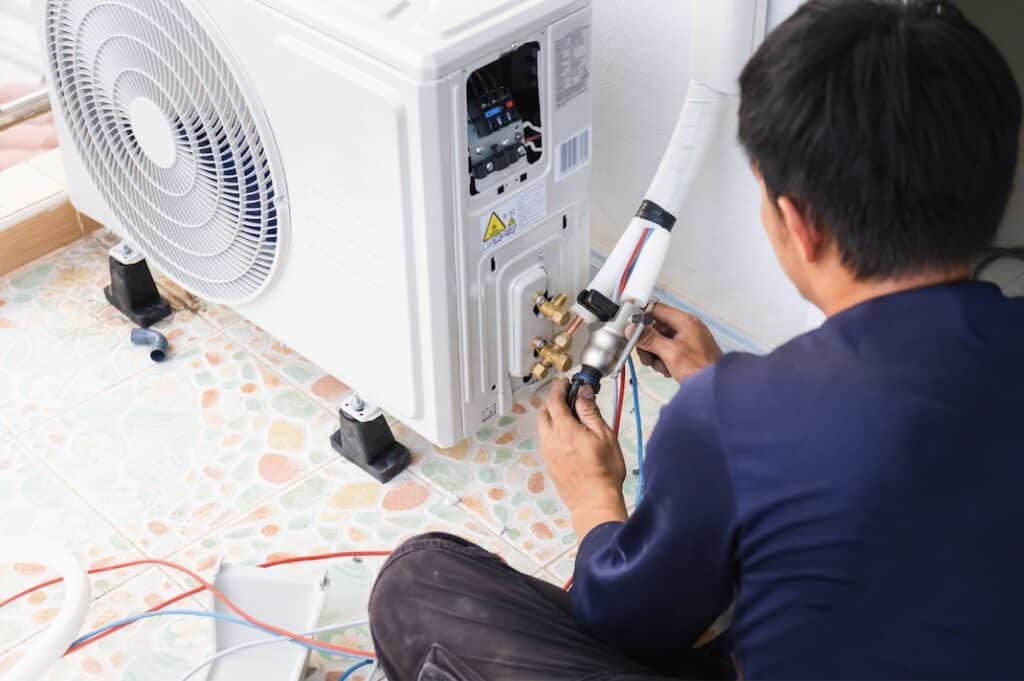
Refrigerant-charge checks, electrical testing, refrigerant-circuit work, pressure checks, and safety-critical commissioning should be handled by qualified personnel under the local rules that apply to the project. The list above is for choosing and comparing systems, not for DIY servicing.
How to Compare an Air Conditioner and a Heat Pump in 5 Steps
You can compare an air conditioner and a heat pump in five steps.
Follow the steps below using the same building loads, climate conditions and energy-price basis for both options.
- Step 1 – Define what the building actually needs. Confirm whether the project needs cooling only, heating and cooling, or a water-based heating system. Include domestic hot water only when it is part of the actual system requirement.
- Step 2 – Identify the heating system being replaced. Separate electric resistance, gas, oil, an existing heat pump, or a project where no heating system is being replaced. This changes the correct energy-cost baseline.
- Step 3 – Compare cooling on the same basis. Use the same cooling load, summer design condition, comparable cooling-efficiency metric, and electricity tariff. Do not compare a high-efficiency heat pump with a lower-efficiency AC and treat the difference as a heat-pump-only advantage.
- Step 4 – Check heat-pump performance at the winter design condition. Compare the building heat loss with available heating capacity and COP at the same outdoor condition. For hydronic systems, include the required leaving-water temperature and any backup heat.
- Step 5 – Verify the exact model and retrofit. Check model-specific performance tables, matched indoor/outdoor combinations, electrical supply, duct or hydronic compatibility, controls, piping, and installation limits.
If you know what the building needs but do not yet have design loads or candidate-model performance at those conditions, you can decide which system type to investigate next. You cannot yet confirm an exact size or promise annual savings.
Decision shortcut: If these five checks are complete, the comparison is much more reliable than choosing from nominal capacity, one brochure COP, or equipment price alone.

Common Mistakes When Comparing an AC and a Heat Pump
Several common mistakes can lead to the wrong choice.
A heat pump does not automatically use less electricity for cooling. One COP value cannot predict your yearly heating cost.
A heat pump that can run in freezing weather may still provide too little heat. Choosing an oversized system can also cause problems.
-
Mistake: “A heat pump always costs less to run.”
Not necessarily. Cooling costs can be similar when cooling efficiency is similar. The larger difference usually appears when the heat pump also replaces another heating system.
-
Mistake: “A high COP means my annual bill will fall by the same proportion.”
No. COP describes efficiency at a particular operating condition. Annual cost also depends on climate, seasonal performance, building load, operating time, controls, and energy price.
-
Mistake: “If a heat pump can run at -20°C, it still has full capacity there.”
Minimum operating temperature does not tell you the available heating capacity or COP at that temperature. Check the model data at the actual winter design condition.
-
Mistake: “A larger heat pump is safer.”
Not always. Oversizing can create cycling and part-load problems. With an inverter system, also check whether its minimum modulation capacity is low enough for the building’s lighter-load periods.
So, Which Saves More on Energy Bills?
Neither technology always produces lower energy bills. At equal cooling efficiency, cooling-only costs can be similar; a heat pump often reduces heating electricity compared with resistance heat, while the economics against gas or oil depend on tariffs, seasonal performance and the complete heating system.
Use the same decision basis: Compare cooling costs at equivalent loads and ratings; compare heating options using the same useful heat and local energy prices; and confirm heat-pump output on the winter design day. Evaluate installation and ownership cost separately from energy bills.
Choose a cooling-only AC when:
- cooling is the main requirement;
- heating is already handled by another suitable system or is not a meaningful project load;
- a suitable AC meets the required cooling capacity, efficiency, and summer design conditions.

A heat pump is usually more attractive when:
- the same system needs to provide both heating and cooling;
- it replaces electric resistance heating;
- verified heating capacity is sufficient at the winter design condition;
- the project’s seasonal performance and electricity tariff support the operating-cost case.
Compare both carefully when:
- the existing heating system uses gas or oil;
- winter design temperatures are very low;
- a hydronic system requires high water temperatures;
- the retrofit needs major electrical, control, indoor-unit, duct, piping, or water-side changes;
- electricity is expensive relative to the fuel being replaced.
For a final decision, compare the building load with model-specific performance at the actual design conditions. That gives a more reliable answer to the heat pump versus air conditioner question than choosing by product category, nominal capacity, or one efficiency number alone.
Sources and Assumptions
Need Help Comparing AC and Heat Pump Options?
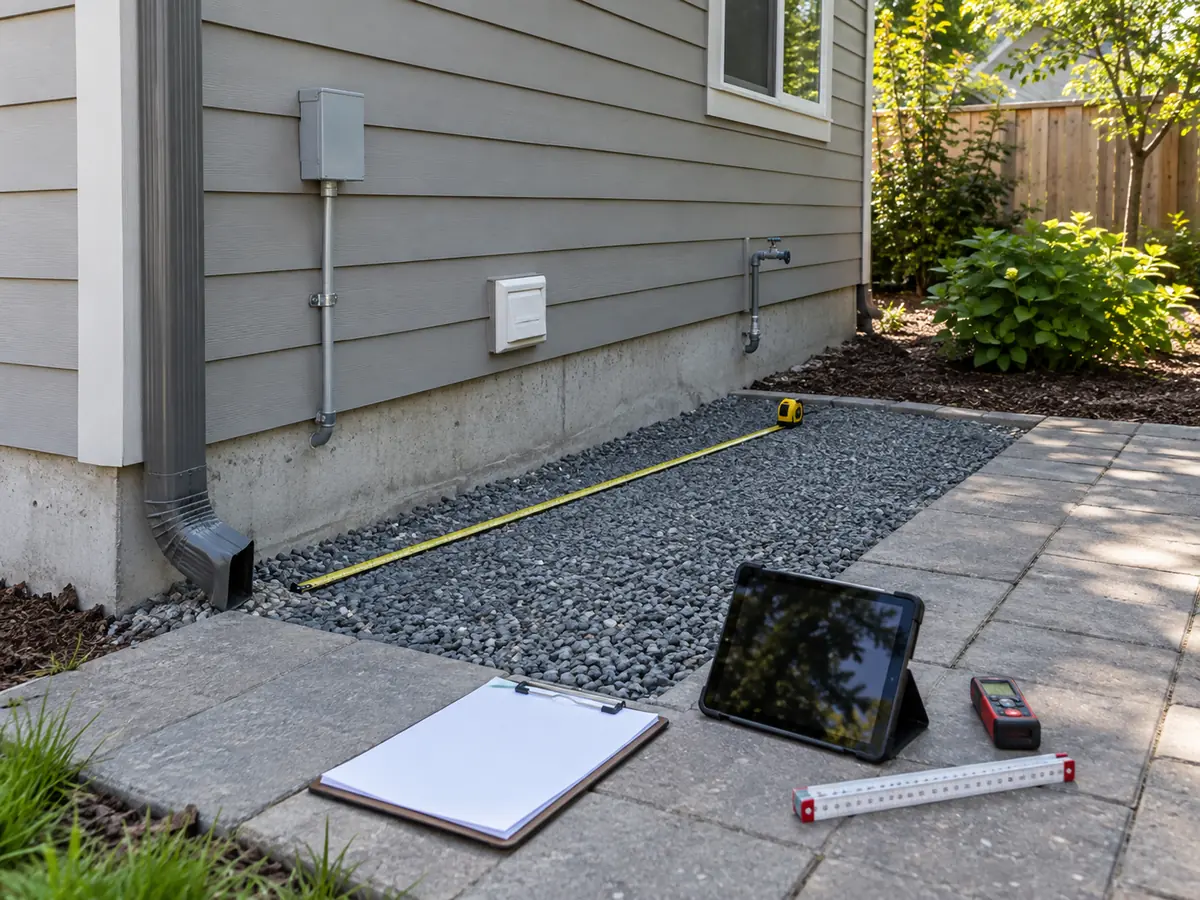
For a project-specific comparison, collect summer and winter design temperatures, calculated loads, existing heating source, local energy prices and system distribution requirements. These inputs determine what model data must be verified before recommending equipment.
What can be decided now: With a building location, heating/cooling needs and existing system type, you can narrow the type of system to investigate. What cannot be confirmed yet: Exact equipment size, annual cost savings, need for backup heat and installation scope cannot be promised without complete design loads, tariffs, site conditions and model-specific data.
What We Need to Compare Your Project
Start with: your location, whether you need cooling only or both heating and cooling, and what heating system you already use. These details are enough to identify which system types are worth comparing first.
For an exact model comparison: provide the calculated cooling and heating loads, outdoor design temperatures, local energy prices, and relevant electrical or installation constraints. If you have radiators or underfloor heating, include the required water temperature.
For an Airproz product inquiry, share whichever details you already have. The full design inputs and exact-model performance data are still required before confirming equipment size or expected heating costs. For example, the R32 monobloc space-heating heat pump page illustrates one air-to-water product configuration; confirm its exact-model capabilities against the project design conditions before selecting it.
| Project input | Why it matters | What it changes |
|---|---|---|
| Location and summer/winter design temperatures | Defines the outdoor conditions the equipment must handle. | The cooling and heating performance points that should be checked. |
| Cooling and heating load | Shows how much capacity the building actually needs. | The required unit capacity and whether backup heat may be needed. |
| Required system function | Separates cooling-only, heating-and-cooling, hydronic heating, and domestic-hot-water needs. | Whether the project should compare AC, air-to-air heat pump, air-to-water heat pump, or another system direction. |
| Existing heating source | Sets the correct heating-energy baseline. | Whether heat-pump economics are usually strong, as with electric resistance, or tariff-dependent, as with gas or oil. |
| Electricity and fuel prices | Converts energy use into operating cost. | The break-even result and the likely operating-cost direction. |
| Required water temperature for hydronic systems | Water temperature can change air-to-water heat-pump capacity and efficiency. | COP, available heating capacity, and system suitability at the design condition. |
| Existing indoor system and distribution | Shows what can be reused and what may need to change. | Air handler, ductwork, fan-coil, radiator, piping, control, and electrical retrofit requirements. |
The table identifies what each input changes. Missing design information can be collected as the project develops, but exact model suitability cannot be confirmed from location or nominal capacity alone.
Final system sizing and exact-model selection should still use complete load data, model-specific performance tables, local requirements, and qualified HVAC design or installation review where required.