R290 vs R32 Heat Pumps: Quick Answer
R290 and R32 can both work well in heat pumps, but they do not fit every project in the same way. For many European product categories moving toward very low climate-impact limits, Airproz will usually check R290 first. This impact is measured by global warming potential, or GWP. This only makes sense when the site and service team can safely support R290 equipment. In markets where R32 is still allowed and easier to service, R32 can still be a practical choice.
We do not choose a heat pump from the refrigerant name alone. We first check your destination market and the type of heat pump you need. We also need the heat output your building needs on a cold design day, called the design heat load. Then we check the outdoor temperature used for sizing and the heating-water temperature your system needs. Engineers call this the leaving-water temperature, or LWT.
| Factor | R290 | R32 |
|---|---|---|
| Refrigerant type | Propane, a non-fluorinated natural refrigerant | Hydrofluorocarbon (HFC) |
| GWP | 0.02, 3 or 3.3 depending on the required reference system | 675 |
| Safety class | A3 — higher flammability | A2L — lower flammability |
| EU direction | Worth checking early where the product category is moving below GWP 150 | Above a GWP 150 limit, so the exact category and date matter |
| U.S. direction | Check the exact EPA SNAP end use; do not assume a European route applies | Clearer current route across many common new residential/light-commercial uses |
| Efficiency and winter output | Check the exact model at the required outdoor and water temperatures | Check the exact model at the required outdoor and water temperatures |
| Your project | Start by checking | What can change the answer |
|---|---|---|
| EU small heat-pump category moving below GWP 150 | R290 | Equipment category, date, A3 site conditions and documents |
| U.S. residential/light-commercial project | R32 first, then verify the exact R290 end use | EPA SNAP end use, equipment type and local requirements |
| High-water-temperature or cold-climate project | Compare exact models | Capacity and COP at the temperatures your project actually needs |
What R290 GWP Number Should You Use?
R290 global warming potential, or R290 GWP, can appear as different numbers. GWP compares the warming effect of a greenhouse gas with carbon dioxide over a stated time period. Different regulations and scientific reference systems can use different calculation bases.
This matters when you are checking legal limits or tender requirements. For compliance work, Airproz uses the GWP value required by the rule that applies to your destination market. We do not mix numbers from different reference systems.

| Reference | R290 | R32 | What the number is for |
|---|---|---|---|
| U.S. Environmental Protection Agency (EPA) Technology Transitions GWP table | 3.3 | 675 | Use this value for the Technology Transitions program |
| U.S. EPA Significant New Alternatives Policy (SNAP) table | 3 (commonly shown) | 675 | Use it together with the exact SNAP end-use listing and use conditions |
| EU Regulation 2024/573 Annex VI basis for propane | 0.02 | 675 | Use the EU framework and the product-category rule that applies |
For the U.S. Technology Transitions program, the U.S. Environmental Protection Agency (EPA) GWP reference table lists R290 at 3.3 and R32 at 675. The EPA Significant New Alternatives Policy, or SNAP, table commonly shows R290 as 3. This is why you may see “R290 GWP 3” in U.S. technical material.
The European Union uses a different reference basis for this non-fluorinated substance. The European Commission’s heat-pump alternatives page, reflecting Regulation (EU) 2024/573, shows propane R290 at GWP100 0.02 and R32 at 675. GWP100 means the warming effect is compared over 100 years. The values 0.02, 3 and 3.3 come from different reference systems. Do not turn them into one marketing ratio.
Safety: What A3 and A2L Mean for You
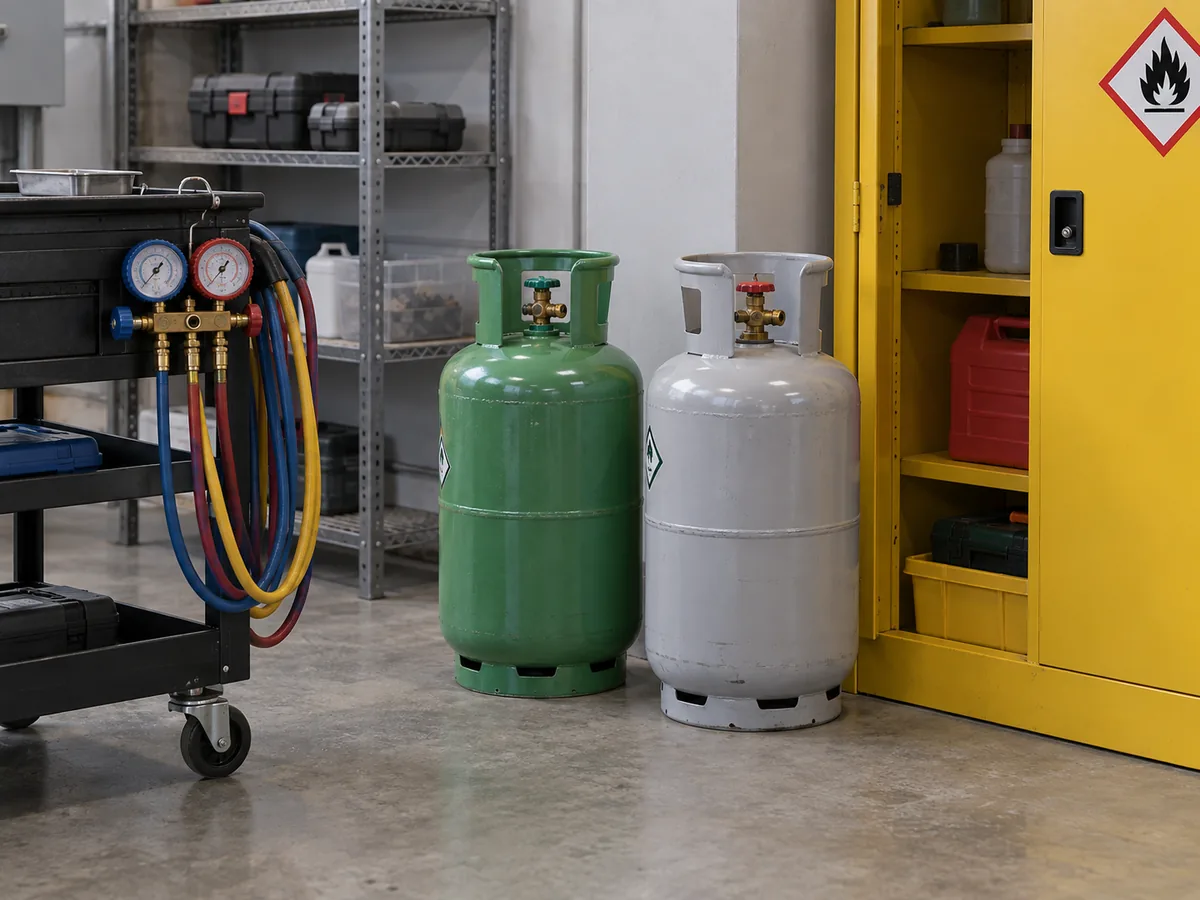
R290 is in the A3 safety class. In simple terms, this means higher flammability. R32 is in the A2L safety class, which means lower flammability. R32 should not be described as non-flammable.
Both refrigerants need equipment designed for that refrigerant. They also need the correct installation and service procedures. With R290, the safety plan must look at several site details. These can include refrigerant charge, installation location, clearances and possible ignition sources. Ventilation, outdoor placement and safe service access can also matter.
A lower GWP does not automatically make R290 the right choice for every site. If your installer or service team cannot safely support A3 equipment, that can change the recommendation. The opposite is also true. We will not choose R32 only because it is familiar if your market is moving the relevant product category toward much lower GWP limits.
How Airproz Compares R290 and R32 Performance
The refrigerant affects heat-pump design, but it is only one part of the system. The compressor, heat exchangers, expansion device, controls, refrigerant charge, fans, pumps and defrost control also affect the result. Because of this, we do not use claims such as “R290 is always X% more efficient” to choose a heat pump.
COP means coefficient of performance. It shows efficiency at one stated test condition. For example, a COP of 4 means about four units of heat for each unit of electricity used. This only applies at that stated test point.
SCOP means seasonal coefficient of performance. It estimates efficiency across a heating season under a defined climate and test method. A heat pump can show a strong COP in mild weather and still perform differently through winter. Defrost, backup heat, changing water temperature and part-load operation can all affect the seasonal result.
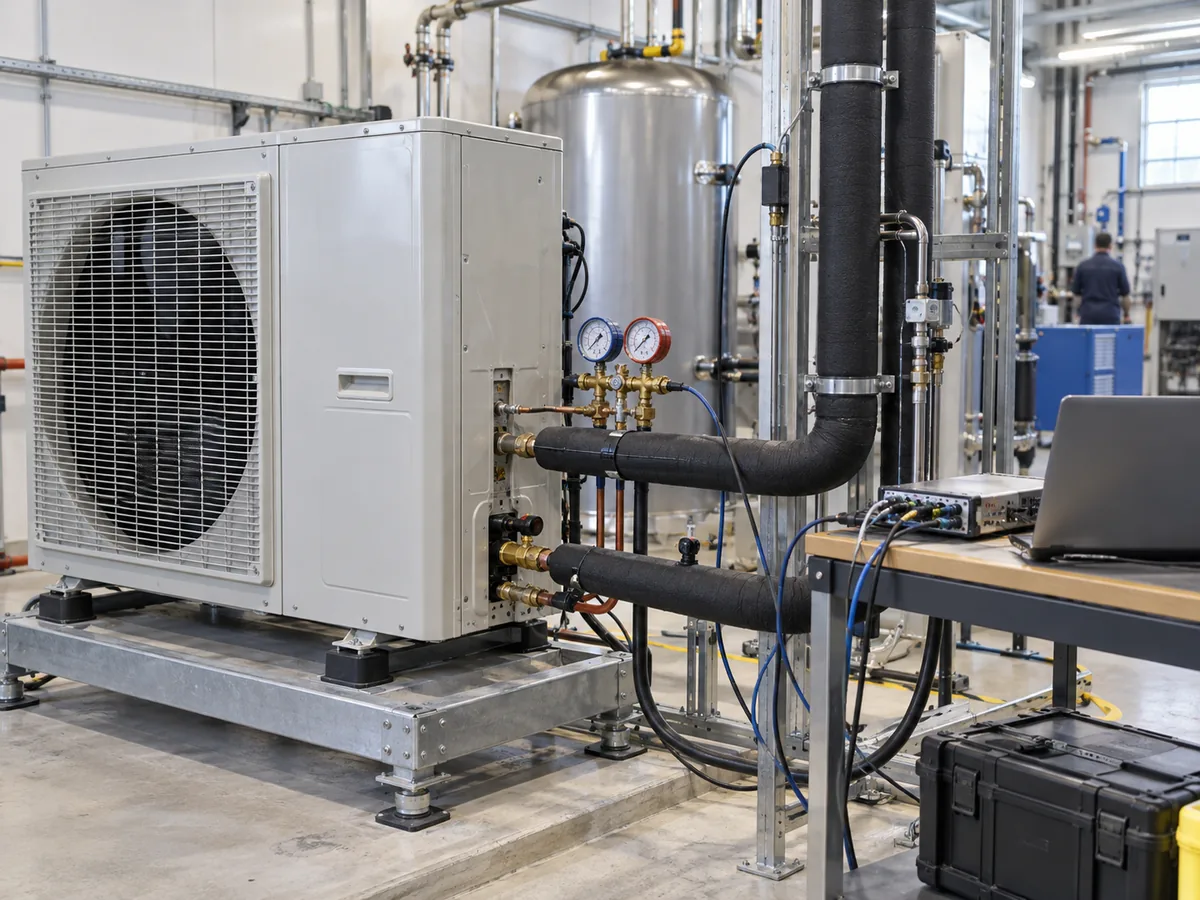
This is why we check that two models use the same test standard and climate basis before comparing them. If yearly energy use matters, seasonal data is usually more useful than one favorable COP value.
Will the Heat Pump Still Work Well at High Water Temperature?
Some radiator systems need hotter water than underfloor heating. This makes the required water temperature important, especially in older-building retrofits. Engineers call the water leaving the heat pump the leaving-water temperature, or LWT.
A heat pump may be able to produce a high maximum LWT. That number does not show how much useful heat it will deliver on the coldest design day. It also does not tell you the efficiency at that condition. For a radiator project, we check heating capacity and COP at the outdoor temperature you expect. We also use the water temperature your system actually needs.
Will It Still Provide Enough Heat in Very Cold Weather?
A heat pump may be able to run at a very low outdoor temperature. That does not mean it keeps its full rated heating capacity there. The rated value may come from a much milder test condition.
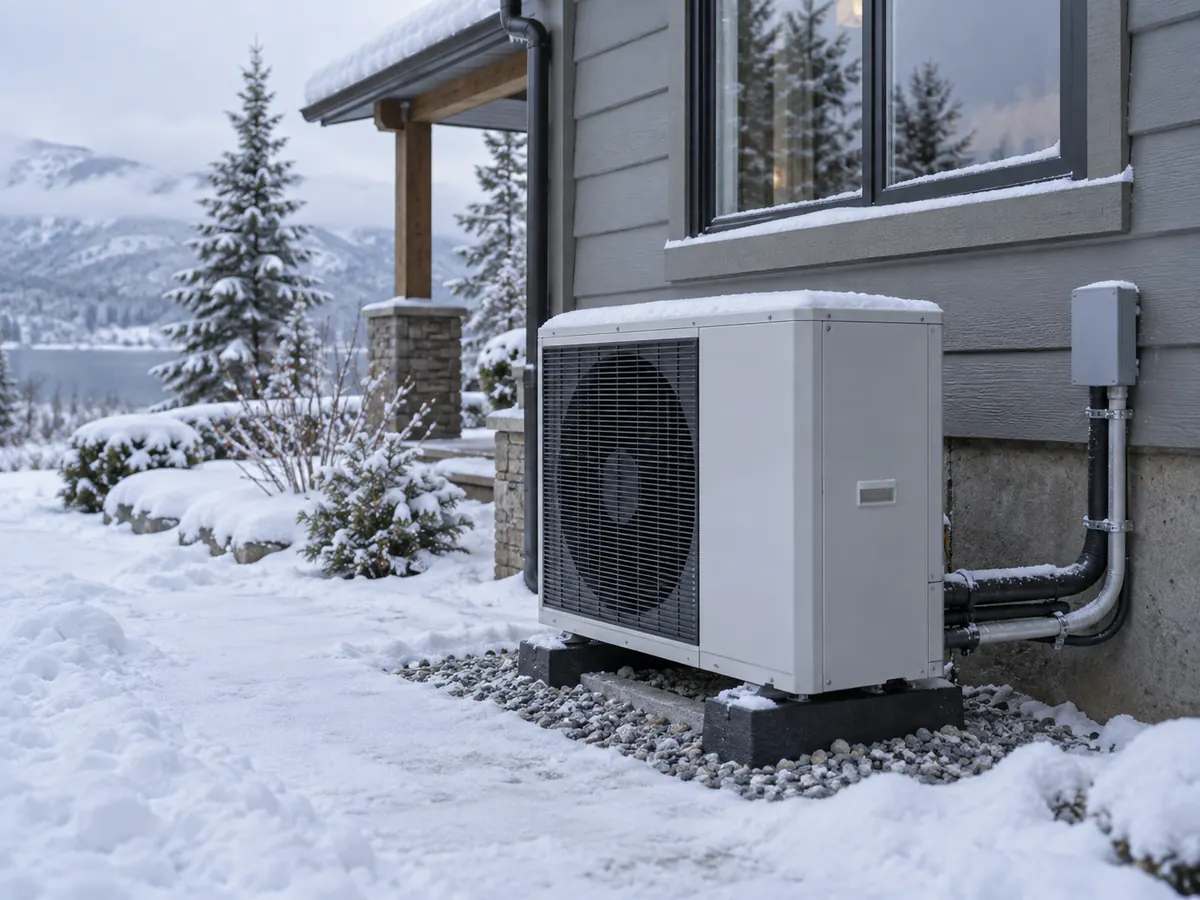
For a cold-climate project, we check the heating capacity at the outdoor temperature used to size the building. We also look at defrost and any backup-heater assumptions. This tells you whether the unit can cover the real winter load, not just whether it can stay switched on at “-X°C.”
Can R290 Replace R32 in an Existing Heat Pump?
No. R290 and R32 are not drop-in replacements for each other. The system is designed around the refrigerant. Pressure and temperature behavior, flammability class, refrigerant charge, compressor, controls and safety design all matter.
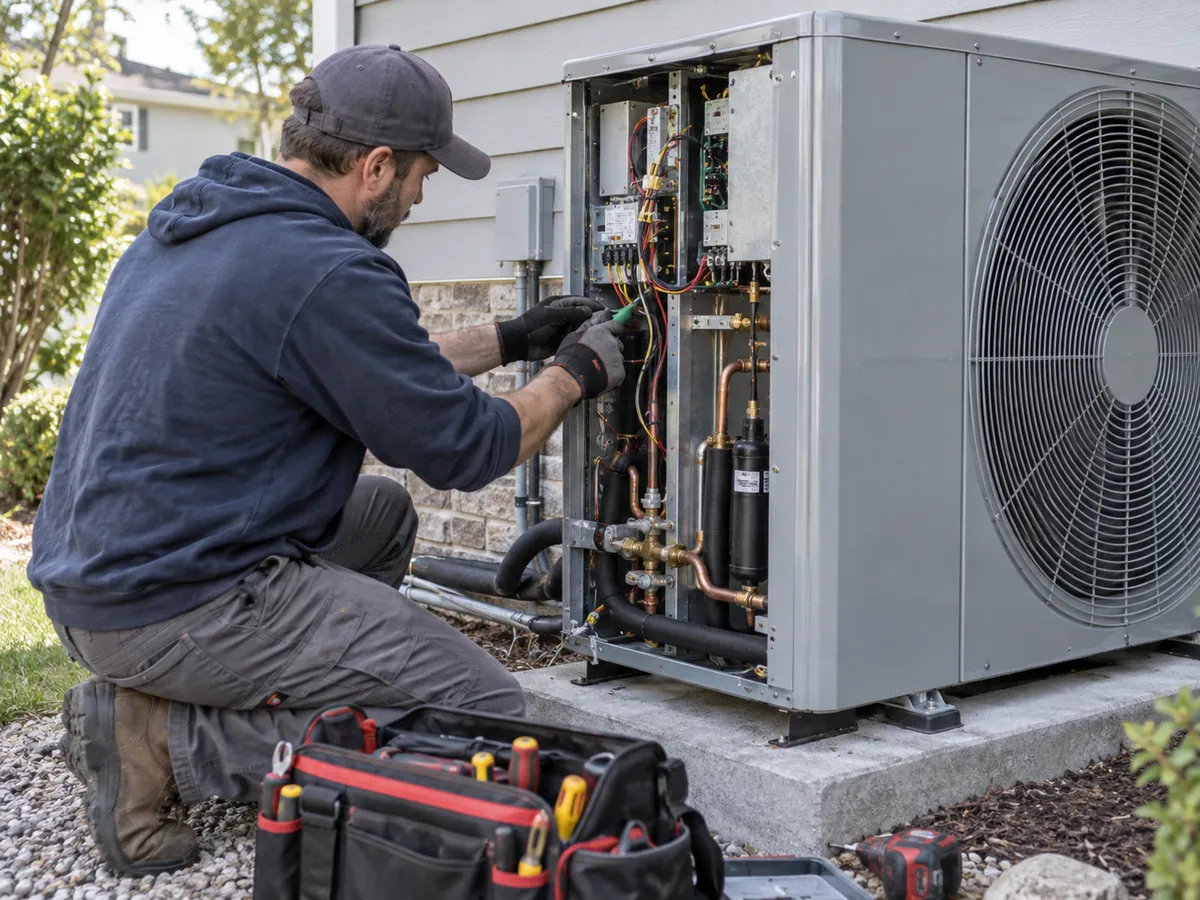
For an existing system, the normal choice is to keep using the approved refrigerant. If there is a valid technical or regulatory reason, the complete heat-pump platform may need replacement. For a new project, it is better to choose the refrigerant route before final equipment selection. The installation and service plan can then be designed around the correct platform from the start. If you need a simple system-layout refresher, see our air-to-water heat pump diagram.
R290 vs R32 Heat Pumps in the European Union
Regulation (EU) 2024/573 changes the rules for fluorinated greenhouse gases by equipment type, capacity and date. For self-contained air-conditioning equipment and heat pumps up to and including 12 kW, a GWP 150 threshold applies from 1 January 2027. The regulation also contains safety-related exceptions.
From 2027, the regulation also sets a GWP 150 threshold for certain split air-to-water systems up to 12 kW. The regulation’s safety provisions still apply. R32 has a GWP of 675, so it is above a 150 threshold. R290 is non-fluorinated.
This does not mean R32 is banned from every heat pump in Europe from 2027. The rule changes with equipment type and capacity. Before we recommend a refrigerant route, Airproz checks whether your project uses self-contained equipment, split air-to-water equipment, another split category or a larger system.

R290 vs R32 Heat Pumps in the United States
Under EPA Technology Transitions restrictions, stationary residential and light-commercial air-conditioning and heat-pump products are subject to a 700 GWP limit. The manufacture/import compliance date shown for this category is January 1, 2025. R32 has a program GWP of 675, so it is below this limit. Passing the GWP limit is still only one part of market compliance.
The EPA SNAP table lists R32 as acceptable with use conditions for new residential and light-commercial air conditioning and heat pumps. For R290, the same table lists acceptable-with-use-conditions status for self-contained room air conditioning. It does not give blanket approval for every heat-pump design used in Europe.
The SNAP page also identifies Class 3 refrigerants, including R290, as unacceptable for retrofit unitary split air-conditioning systems and heat pumps. For a U.S. project, we check the Technology Transitions rule, the SNAP listing for the exact use, the product documents and the local code path.
How Airproz Chooses Between R290 and R32 for Your Project
We can usually narrow the refrigerant route with a small amount of project information. The final model still depends on your heating load, winter outdoor temperature and required water temperature. We also check power supply, installation limits and the current technical documents.
| Your project | Option to check first | What could go wrong | What we confirm |
|---|---|---|---|
| EU small air-to-water or self-contained project with a long product life | R290 or another sub-150 route | The site or service team cannot support A3 equipment | EU category and date, installation rules and service support |
| U.S. residential/light-commercial project | R32 may be simpler; check the exact R290 end use | Low GWP is mistaken for automatic market approval | EPA GWP limit, SNAP end use and U.S.-market documents |
| High water-temperature project | Either refrigerant if the exact model proves the duty | A high maximum water temperature is mistaken for full heating output | Capacity and COP at your outdoor and water temperatures |
| Cold-climate project | Either refrigerant with proven low-temperature output | Operating range is mistaken for enough heat on the coldest day | Winter capacity, defrost and backup heat |
| No practical A3 service support | R32/A2L may be easier where local rules allow it | A low-GWP choice becomes difficult to install or maintain safely | Installer skills, service support and local safety rules |
| Long-life product exposed to tighter fluorinated-gas rules | Check R290 earlier | A choice that works today becomes harder to sell or support later | Product-category roadmap, documents and service plan |
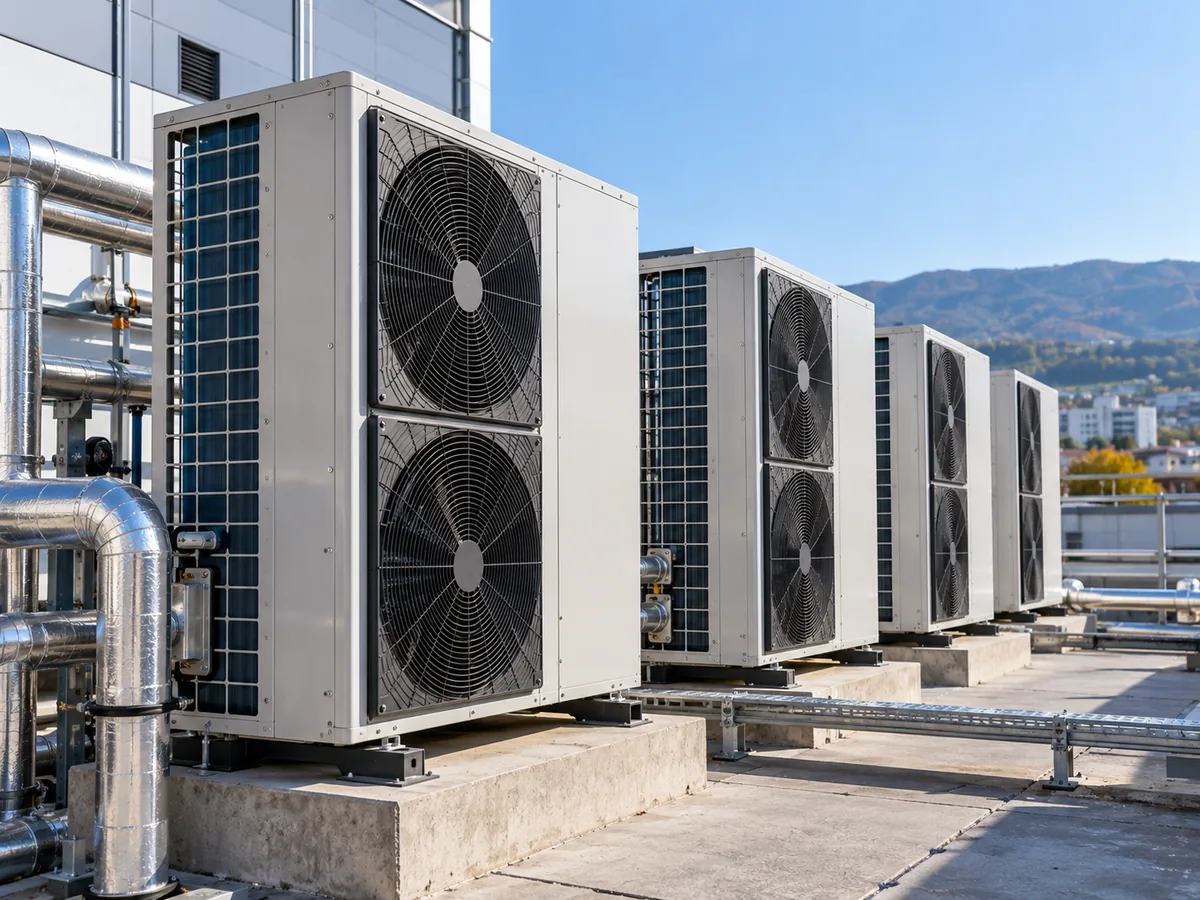
What Airproz Checks Before We Recommend a Model
We do not recommend an exact heat pump from the refrigerant name or the capacity label alone. We match the product to the conditions your system must handle.
- the heating load and the winter outdoor temperature used for sizing;
- the water temperature your radiators, fan coils or underfloor heating need;
- heating capacity and COP at the operating point that matters to your project;
- low-temperature performance, defrost and backup-heat assumptions when winter conditions are severe;
- power supply, installation limits, refrigerant safety requirements and destination-market documents.
Before quotation, we compare these project conditions with the current technical file for the exact model. You can also review our residential heat-pump projects and commercial heat-pump projects for broader application context.
Airproz R290 and R32 Product Families
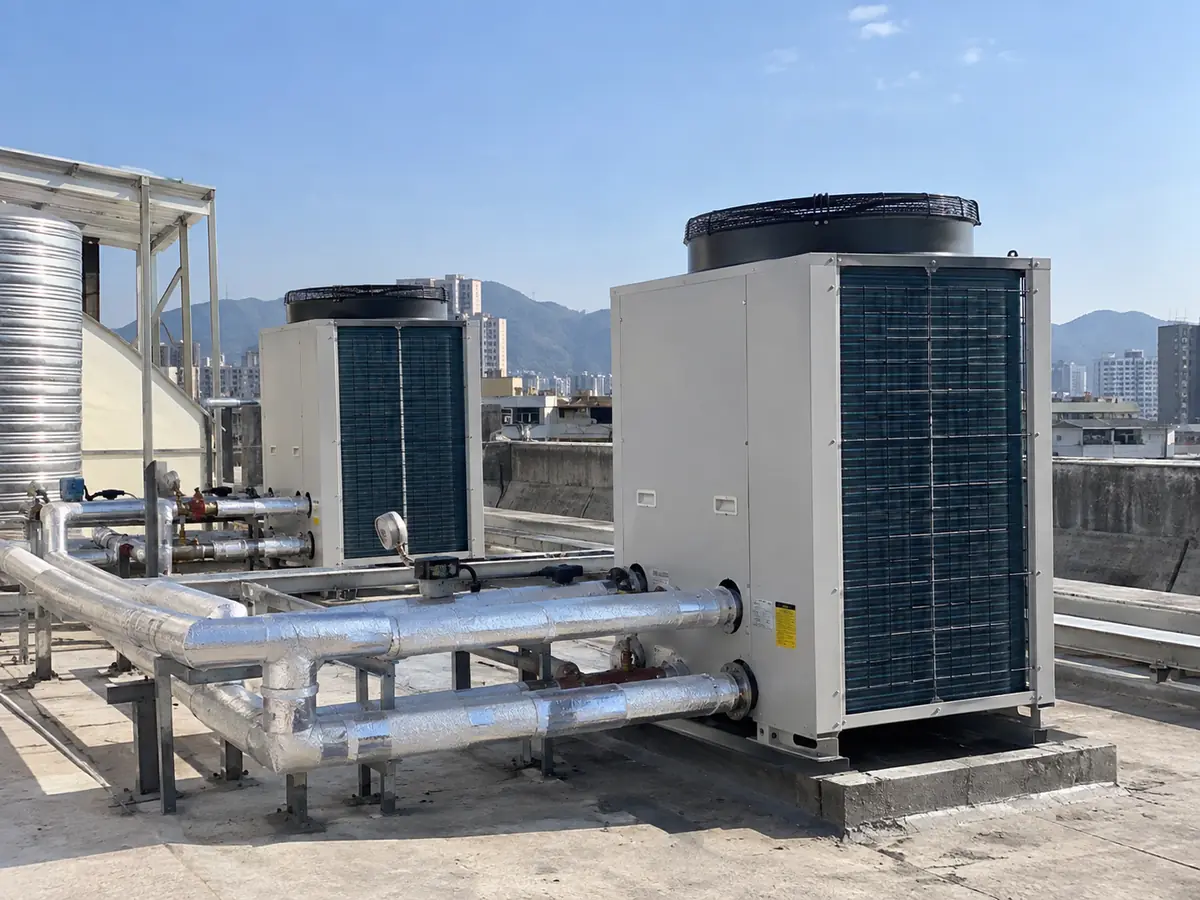
Airproz offers both R290 and R32 air-to-water heat-pump routes. A monobloc keeps the main refrigerant circuit inside the outdoor unit. The product family is only the starting point; the exact model still has to match your load, temperatures, power supply and market requirements.
R290 Monobloc Heat Pump — 6 / 8 / 12 kW
Worth checking if: you need a smaller air-to-water platform and your project can support an A3 refrigerant safely. For EU projects affected by very-low-GWP limits, this family can be a useful starting point.
R290 Monobloc Heat Pump — 18 kW
Worth checking if: your project needs a larger R290 air-to-water platform. We still confirm the real design load, water temperature and low-ambient output before selecting the exact unit.
R32 Monobloc Heat Pump — 6 / 10 / 14 / 18 / 24 kW
Worth checking if: R32 remains allowed in your market and the project benefits from an established A2L service route. Market rules and exact model performance still need confirmation.
For more options, see our space-heating heat-pump range. Distributor and private-label projects can also use our OEM/ODM heat-pump service.
What to Send Airproz Before We Recommend a Heat Pump
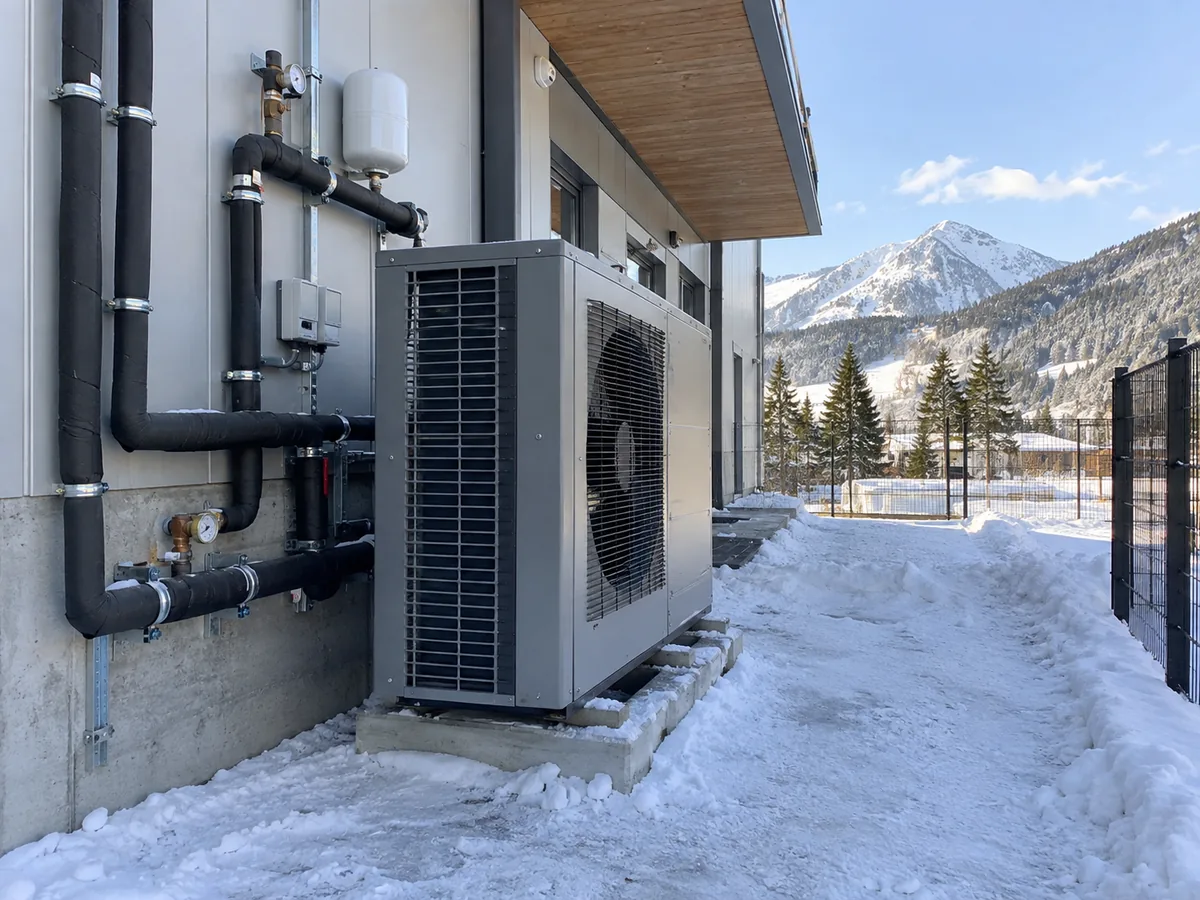
You do not need a full engineering file before contacting us. Start with the six items below. They are usually enough for us to choose the better refrigerant route and product family. We can then tell you what extra information is needed for the exact model.
- Destination country or market — this tells us which rules and documents matter.
- Application — space heating, heating and cooling, domestic hot water, retrofit or new build.
- Required heating capacity or design heat load — floor area alone is not enough.
- Winter outdoor temperature used for sizing — the unit must cover the load at this condition.
- Required leaving-water temperature — especially on the coldest design day.
- Power supply — voltage, phase and frequency.
If you already have drawings, installation limits, certification needs, quantity, project timing or details of the existing system, send those too. They help us improve the recommendation, but you do not need every item before the first conversation.
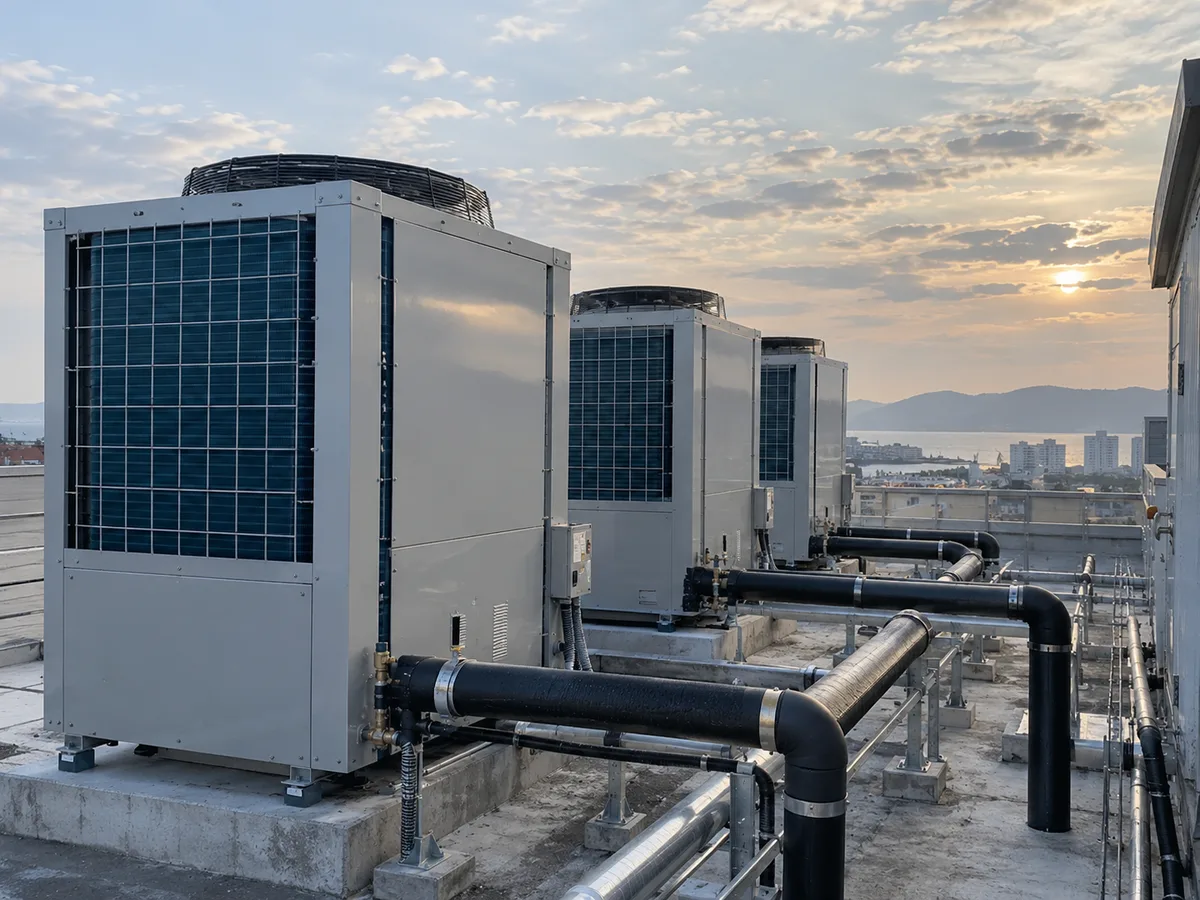
You do not need a complete HVAC design before contacting us. Send the six starting items above. We can first narrow the suitable R290 or R32 product family and tell you what else is needed for exact model selection.
Check My Heat Pump OptionsFrequently Asked Questions
What is the GWP of R290?
There is more than one published R290 GWP number because different rules use different reference systems. The U.S. EPA Technology Transitions table lists R290 at 3.3. EPA SNAP commonly shows 3. The EU 2024/573 framework lists propane R290 at GWP100 0.02 on its Annex VI basis. For compliance, we use the value required by the rule for your market.
Is R290 a natural refrigerant?
Yes. R290 is propane, a hydrocarbon often called a natural refrigerant. It is non-fluorinated and has very low direct climate impact. R290 is also in the A3 safety class, which means higher flammability. The heat pump, installation and service plan must be designed for R290.
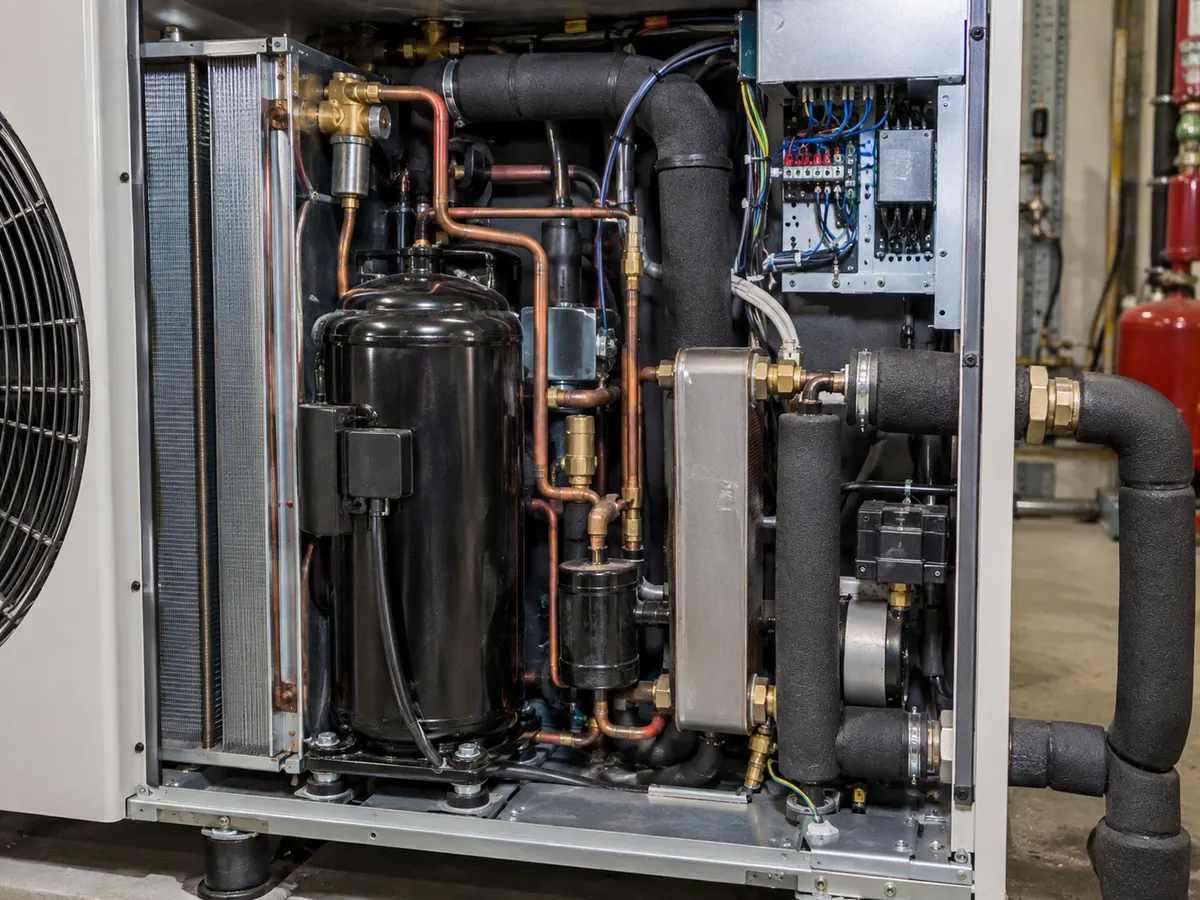
Is R290 better than R32 for heat pumps?
Not for every project. R290 has a much lower GWP and can fit markets moving toward very-low-GWP equipment. R32 is a lower-flammability A2L refrigerant with a GWP of 675. At Airproz, we choose between them by checking your market, service conditions and the exact heat-pump performance at your required outdoor and water temperatures.
Is R32 non-flammable?
No. R32 is A2L, which means it has lower flammability. It is not non-flammable. R290 is A3, a higher-flammability class. Both refrigerants need equipment and service procedures designed for their safety class.
Can I replace R32 with R290 in the same heat pump?
No. R290 and R32 are not drop-in replacements for each other. They have different safety classes and different system-design needs. Components, controls, refrigerant charge and approvals are matched to the refrigerant. We only use the refrigerant approved for the heat-pump platform.
Are R290 heat pumps allowed in the USA?
There is no single yes for every type of heat pump. EPA SNAP currently lists R290 with use conditions for self-contained room air conditioning in the residential and light-commercial table. R32 has a broader acceptable-with-use-conditions listing for new equipment in that sector. For a U.S. project, we check the exact end use, product documents and local code path before recommending a platform.
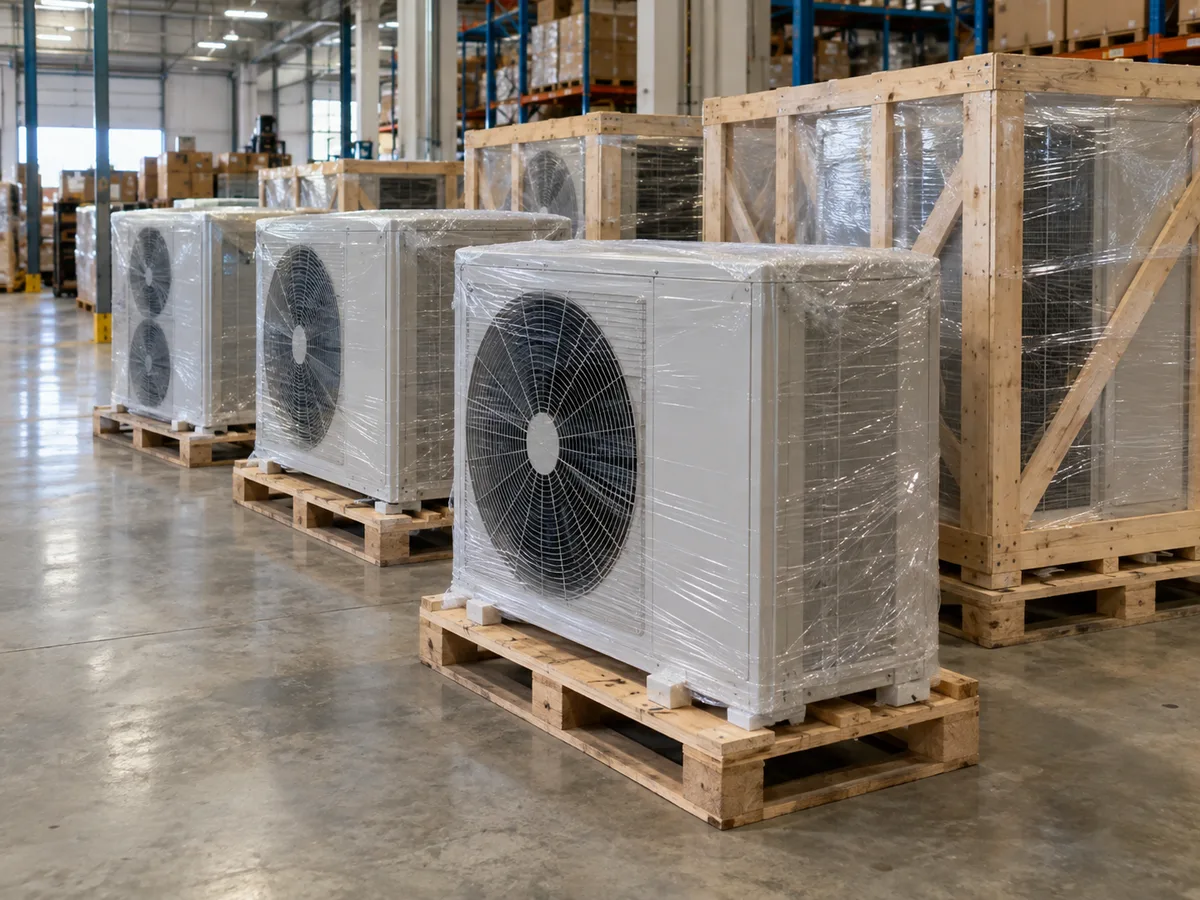
Does R290 always give a higher COP than R32?
No. COP, or coefficient of performance, belongs to the complete heat pump at a stated test condition. Refrigerant choice affects system design, but it does not guarantee a higher COP by itself. We compare exact models at the same outdoor temperature, water temperature and test method. For yearly energy use, we also compare compatible seasonal efficiency data.
Next Step: Let Airproz Narrow the Right Platform
The basic difference is simple. R290 is a non-fluorinated refrigerant with very low GWP and higher-flammability A3 safety requirements. R32 is a lower-flammability A2L hydrofluorocarbon, or HFC, with a GWP of 675.
Your final choice still depends on the market, the type of equipment, the service route and the real heating conditions. Airproz first matches those project needs to a product family. We then check whether the exact model can provide enough heat and acceptable efficiency at the temperatures that matter.
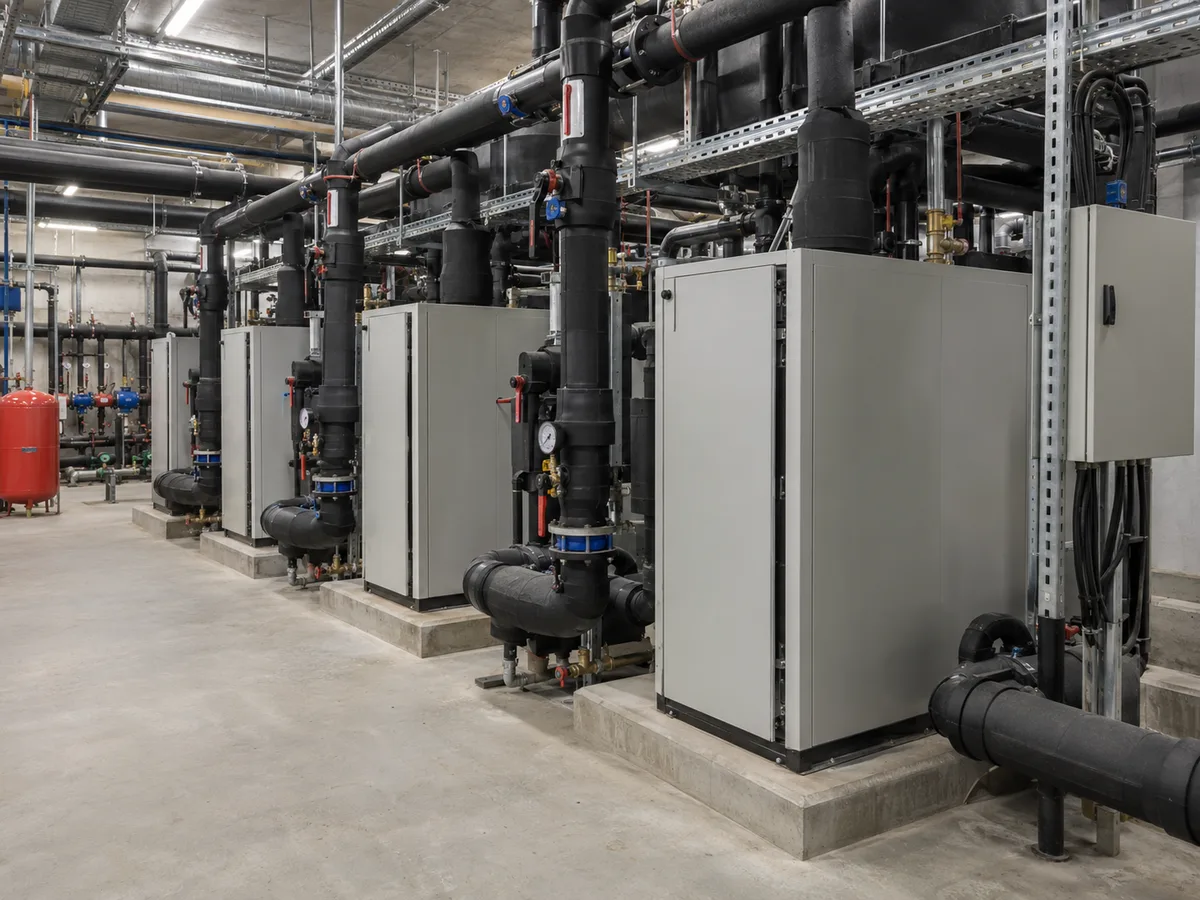
Send us the destination market, application, required capacity, winter design temperature, required water temperature and power supply. We can first narrow the refrigerant route, then confirm the exact model with current product data and the documents your market needs.
Send My Project Details