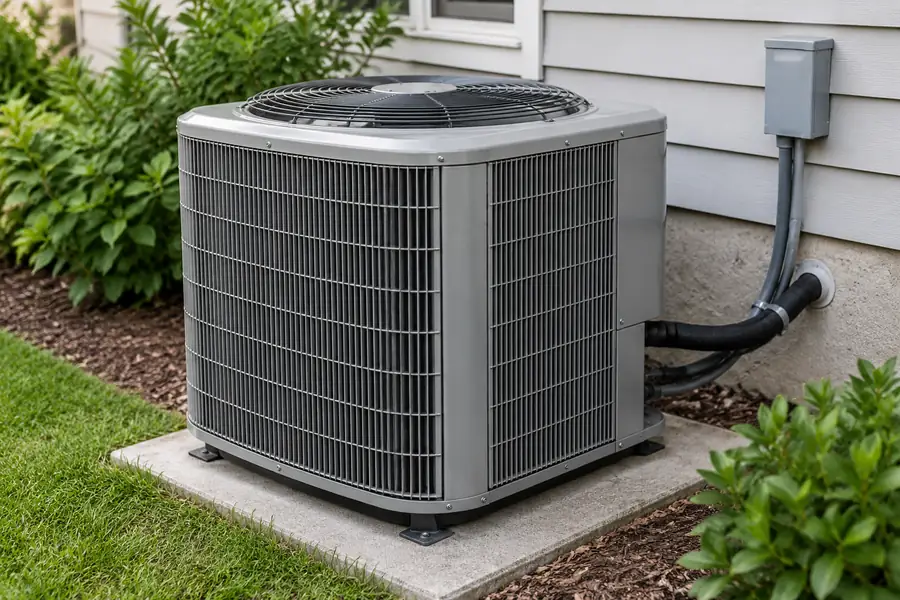
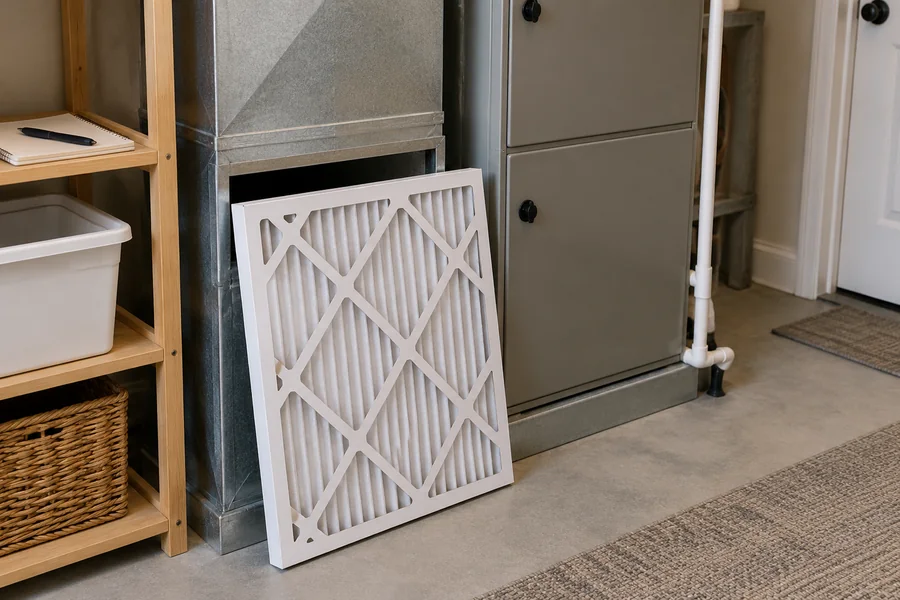
Quick answer: In the United States, heating system installation cost depends on the equipment and the work your home needs. Published installed-price references include $3,800–$12,000 for a gas-furnace replacement and $5,000–$11,000 for a furnace-plus-central-AC replacement. EnergySage separately reports a $15,393 average pre-incentive heat-pump quote across several system types. These sources measure different jobs, so the figures are not like-for-like bids. Compare the equipment, site changes, labor, permits and testing in each complete quote.
Which Heating System Installation Situation Fits Your Home?
| Your situation | Main cost considerations | What to check first |
|---|---|---|
| Replacing an existing heating system | Equipment, labor and any required connection changes. | Can the existing ducts, pipes and electrical connections be reused? |
| Replacing both heating and AC | Two-system replacement costs, installation and controls. | Does the quote include both heating and cooling equipment? |
| Switching to a heat pump | New equipment, electrical work, distribution changes and possible backup heat. | Can the proposed heat pump meet the home’s design heating load? |
| Installing a system for the first time | Equipment plus new ducts or pipes, connections, permits and labor. | What infrastructure must be installed from scratch? |
The biggest cost difference is often the work your home needs beyond the new equipment. If your ducts, wiring and fuel connections are suitable, replacement may be simpler. If you switch from gas to a heat pump, or have no usable ducts, the job may also need electrical changes, new ductwork, refrigerant piping or controls. For heat-pump-specific prices, see the existing heat pump installation cost guide. These U.S. residential installed-cost references do not represent commercial installations or wholesale equipment prices.
How Much Does a New Heating System Cost in the U.S.?
These are published U.S. prices for equipment with installation, not equipment-only prices.
| System or installation | Installed price reference (range or average) | What this price includes or may leave out |
|---|---|---|
| Gas furnace replacement | Range: $3,800–$12,000 | HomeGuide furnace and installation estimate; new ducts or major changes may cost extra. |
| Electric furnace | Range: $2,500–$7,000+ | HomeGuide installed estimate; electrical-service or duct changes can add costs. |
| Gas or other residential boiler | Range: $3,200–$9,000 | HomeGuide installed estimate; changes to radiators or water pipes can add costs. |
| Furnace and central air conditioner replacement | Range: $5,000–$11,000 | HomeGuide replacement price for both systems where the existing setup is compatible; not a furnace-only price. |
| New furnace/AC setup with ductwork | Range: $7,000–$16,000 | HomeGuide example with ducts included; difficult retrofits may cost more. |
| Air-source heat pump (ducted, ductless or hybrid) | Average quote (2026): $15,393 | EnergySage 2026 marketplace average before incentives across ducted, ductless and hybrid systems. Separate average quotes: $14,529 ducted, $25,957 ductless and $14,353 hybrid. These are averages by system type, not the ends of a typical quote range. |
| Ground-source/geothermal heat pump | Range: $15,000–$35,000 | HomeGuide indicative installed range; ground-loop drilling, land and access may add costs. |
How to use these prices: A published price range is not the same statistic as a marketplace average. The $25,957 ductless average includes the kinds of projects quoted in EnergySage’s marketplace, which may use several indoor zones; it is not a price for one indoor unit. The furnace-and-AC price includes both pieces of equipment, so do not add a furnace-only price again. Always match the system type, number of rooms and installation scope before comparing amounts. For an air-to-water heat pump, include any radiator, pipework, pump, control or electrical changes that the building needs. There is no reliable one-price estimate for every such retrofit.
Sources and scope (reviewed October 12, 2026): HomeGuide: The gas- and electric-furnace, boiler, geothermal and furnace-plus-AC figures are published installed-cost guide ranges; the new-duct example comes from its HVAC installed-cost guide. EnergySage: Heat Pump Installation: How to Get It Done Right (updated March 19, 2026) reports a $15,393 pre-incentive marketplace average across different heat-pump configurations; the table also identifies individual configuration averages. Important limit: The sources cover different projects and samples, not one matched U.S. installation survey. These figures are not Airproz sales records or guaranteed prices. Use an itemized local quote for a real budget.
What Counts as Installation Cost—and What Gets Left Out?
Installation cost covers the equipment and the work needed to use it safely. The installer may need to connect ducts or water pipes, provide power or fuel, set up controls and test the system. A cheaper quote may leave out some of that work. Always check what is included before comparing totals.
| Cost item | What you are paying for | What to ask the installer |
|---|---|---|
| Equipment and needed parts | Furnace, heat pump or boiler; matching indoor parts, controls, pumps, tanks and any needed backup heat. | Are the exact models and necessary parts listed? If backup heat is needed, does the quote include its capacity, controls and electrical work? |
| Installation work | Labor, access, mounting, pipework, refrigerant lines, connections and insulation. | What installation labor and work are included? |
| Ducts, radiators and water pipes | Duct repairs or replacement, radiators, fan coils, water piping and flow balancing. | What can stay, and who checked it is suitable? |
| Power, gas and controls | Circuits, disconnects, electrical panel/service changes, gas and vent connections, thermostats and zones. | Are the existing electrical and fuel connections suitable? |
| Removal, permits and tests | Old equipment removal, safe refrigerant handling where needed, permits, inspections, startup and tests. | Who pays for each item and provides the records? |
| Possible extra charges | Drywall repair, lifting, asbestos or other regulated materials when applicable, hidden defects and owner-supplied work. | Which items could add to the final bill? |
Compare the full installed price before rebates or tax benefits. Show any confirmed incentive separately, so you can see what the contractor is charging.
Ask who will arrange and pay for any required work missing from the quoted total.
Replacement Cost vs a First-Time Installation
Like-for-like replacement: The job may cost less if existing ducts, pipes, electrical connections, fuel supply and controls are suitable for the new unit. Fuel or system conversion: Changing from a furnace to a heat pump can require wiring, controls or distribution changes. First-time installation: New ducts or pipes, power connections and controls often make the job larger, even when there is no old unit to remove. Reusable-looking equipment and connections still need to be checked for airflow, venting, electrical demand and required water temperature.
Even if the old ducts fit, the electrical service may not support the selected heat pump and backup heater. Include any required electrical upgrade in the full conversion quote before comparing it with a furnace-and-AC replacement. Existing radiators may also need replacing or enlarging if they cannot heat the rooms at the heat pump’s planned water temperature. These changes can make a conversion more expensive than a like-for-like replacement.
Before accepting a replacement price, ask the installer to list what can stay and what must change. If the ducts, available power or water-heating conditions have not been checked, treat the price as an early estimate. Ask what work could increase the final bill.
Furnace and Air Conditioner Cost vs Heat Pump Cost
These two options can solve the same comfort problem in different ways. Before reading the detailed explanation below, use this table to compare what each system usually includes, what can change the installed cost and when each option may make more sense.
| Comparison point | Furnace + air conditioner | Heat pump system |
|---|---|---|
| Main setup | One furnace for heating plus one central air conditioner for cooling. | One reversible system that can usually provide both heating and cooling. |
| What often affects installation cost | Condition of ducts, gas piping, venting and AC coil or outdoor unit compatibility. | Condition of ducts or indoor units, electrical capacity, controls and any required backup heat. |
| Best fit in many cases | Often makes sense when a home already has suitable gas service and usable ducts. | Often makes sense when one system will handle both heating and cooling and the electrical side can support it. |
| What to verify before choosing | Whether the quote includes both heating and cooling equipment and any needed venting or gas work. | Whether the proposed model can meet the home’s design heating load and what backup heat, controls or electrical work are required. |
A furnace heats your home. A central air conditioner cools it, so using both usually means two connected pieces of heating and cooling equipment. A reversible air-source heat pump can provide both heating and cooling by moving heat between indoors and outdoors. The U.S. Department of Energy explains that moving heat can use less electricity than electric resistance heating, but your actual running cost still depends on local energy prices and system performance. For more details, see the existing air conditioner vs heat pump comparison.
If your ducts and gas connections are in good condition, replacing the furnace and AC together may be straightforward. If your ducts and electrical service can support it, a ducted heat pump is another option for both heating and cooling. Without usable ducts, ductless heat pumps avoid new ductwork but may need several indoor units. A dual-fuel system uses a heat pump together with a fuel-fired furnace. Ask for one coordinated design that explains when each heat source runs and how the controls switch between them. The quote should name the thermostat or controller used for changeover and any wiring or control changes. The changeover setting affects how often each heat source runs, so it can change future energy bills.
A heat pump can work in cold weather, but that does not prove it can meet the home’s heating load on the winter design day. As outdoor air gets colder, its available output and efficiency can change; cold, damp weather may also cause defrost cycles that interrupt normal heat delivery. Compare the home’s design-day heating load with the exact model’s documented output at the same outdoor temperature, including the design allowance for defrost. If the model falls short, confirm how backup heating will cover the difference. Check whether the controls allow both heat sources to operate together or require them to switch; do not simply add nameplate capacities. Include the backup equipment, controls and required electrical or fuel work in the installed quote. The ENERGY STAR cold-climate criteria include performance tests at 5°F, but meeting those criteria does not by itself establish capacity at the home’s winter design point.
Compare the same winter and summer service: A furnace-only quote does not cover cooling. A heat-pump quote may omit the backup heater, controls or electrical upgrades the design needs. A dual-fuel quote needs both heat sources and the controls that switch between them. Include each required part before deciding which complete installation costs less.
Which option costs less to install depends on the house. Existing ducts and gas connections may make a furnace-and-AC replacement simpler when electrical capacity is limited. If both heating and cooling need replacement and electrical capacity is adequate, compare a complete heat-pump bid as well. If you have no ducts, compare a room-by-room ductless design with the full price of adding ducts. For a closer look at the different layouts, see our guide to ducted and ductless air-conditioning systems. Compare the heating capability separately when choosing a heat pump.
Why Two Heating-System Quotes Can Be Thousands of Dollars Apart
Many quote differences come from scope, not from markup alone. Before you compare totals, check which part of the job is different. The table below shows the main items that commonly change the installed price. The detailed explanations under it show how to verify each one.
| What changes the quote | How it changes the installed price | What to verify before comparing totals |
|---|---|---|
| Heating load and real equipment size | Different load assumptions can lead to different system sizes, backup-heat needs and duct changes. | Ask for the Manual J load, the sizing weather conditions and the selected model’s output at those conditions. |
| Usable ducts, radiators or piping | Leaky or restrictive ducts, undersized radiators, insufficient water flow or pipe changes can add material and labor. | Check the required airflow or water temperature and flow, then confirm what tests or calculations show the existing system can meet them. |
| Electrical service, fuel and venting | Panel upgrades, new circuits, gas work or venting changes can add a large amount to the total price. | Ask whether the quote includes circuit, panel, service, gas and venting work or treats any of them as separate items. |
| Site access, drainage, zoning and commissioning | Difficult access, long line runs, drainage work, zoning parts and final testing can increase labor and accessories. | Confirm whether access equipment, drainage work, control changes and startup or commissioning are included. |
Heating load and real equipment size
Two homes with the same floor area can need different amounts of heating and cooling. Insulation, windows, air leakage and local design weather matter. In U.S. residential work, first estimate the heating and cooling loads at the design conditions using Manual J. Then use Manual S to help select a model that can meet those loads. If ducts are added or changed, Manual D helps determine the duct layout and airflow. These are different checks; square footage alone cannot replace them. Oversized fixed-capacity equipment may cycle too often. A variable-speed unit also needs a suitable minimum output at lighter loads, while an undersized unit may leave rooms cold or rely heavily on backup heat. Ask for the sizing weather conditions and the selected model’s available heating and cooling output at those conditions.
Usable ducts, radiators or piping
Ducts must carry enough air to heat or cool each room. Leaky or undersized ducts, or ducts with excessive pressure drop, may need sealing or changes. That adds cost. Ask the contractor what airflow the new equipment requires and what measurements or calculations show the old ducts can deliver it. Ducts that connect physically to the new unit may still be too restrictive.
For an air-to-water heat pump, start with the heat each room needs and the water temperature its radiators or fan coils require. This is the leaving-water temperature (LWT). A manufacturer’s stated maximum leaving-water temperature does not prove that the selected model can deliver the building’s required heating output or COP at that water temperature.
Next, check the model’s heating capacity and coefficient of performance (COP) at the required winter outdoor temperature and LWT together. COP describes how much heat the unit delivers per unit of electricity at a specified operating point. Producing hotter water in colder outdoor air can increase the temperature lift the compressor must provide, reducing efficiency; available heating output may also change. A mild-weather COP or minimum running temperature cannot prove performance on the coldest design day. If the radiators cannot heat the rooms at the selected LWT, compare radiator upgrades, backup heat or a different system—including their installed costs.
Also check required water flow, pump capacity and pipe pressure losses. Pipes, valves or an older pump may restrict the water reaching the radiators even if the heat pump itself is sized correctly. Ask for the design flow, available pump head and the radiator output at the proposed water temperature. At the required design flow, compare the pump head actually available with the pressure loss through the selected pipes, valves and heat emitters, including the controlling circuit. A connected pump may still deliver too little flow. If the match fails, include any pump, pipework or balancing changes in the quote, and verify the resulting flow during commissioning against the selected equipment’s limits. For context, see our air-to-water heat pump vs boiler guide and hydronic piping diagram guide. Those explanations do not replace model-specific performance and on-site flow checks.
Electrical service, fuel and venting
Switching to electric heating can require a new circuit or more electrical capacity. Some homes also need a panel or service upgrade, especially when electric backup heat is included. A qualified electrical designer or electrician should check the heat pump, indoor equipment, any electric backup and other loads counted in the service calculation. Have the contractor list any needed circuit, panel or service upgrades as separate costs. A furnace or boiler may need approved gas connections, combustion air and venting. Ask the installer to show these items separately on the quote. Qualified workers must carry out electrical and gas work under local codes.
Site access, drainage, zoning and commissioning
Installation takes longer when equipment needs a roof lift or is hard to reach, pipes or refrigerant lines need long runs, or the building must stay occupied during the work. Heating and cooling zones with separate controls also add parts and labor. Where zones already exist, check whether the new controller can work with the old thermostats, zone valves or dampers. Include necessary control changes and tests of how the zones and backup heat operate together. Outdoor heat pumps need a safe place for defrost water to drain; in freezing, humid weather, poor drainage can create ice. Check the location, required clearances and drainage path against the exact model’s installation instructions. The drain path must not create an ice hazard on steps or walkways; any needed site work belongs in the installed quote. Before accepting the quote, check who will test the refrigerant or water system, set the airflow or water flow, test controls and hand over the final settings. For water-based heat pump projects, our air-source heat pump installation guide explains the installation sequence, equipment location, water flow, drainage and commissioning checks in more detail.
How to Estimate Your Actual Heating System Installation Budget
The six steps below show what to check before comparing installation prices. The detailed guidance and contractor quote worksheet follow.
| Step | What to do | What to prepare or verify |
|---|---|---|
| 1. Describe the job | Define whether it is a new installation, replacement or system conversion. | ZIP code, home type, existing fuel and project scope. |
| 2. Check load and equipment | Match the system to the home’s heating and cooling needs. | Design loads, local sizing conditions, selected-model output and any backup heat. |
| 3. Inspect existing systems | Find what can stay and what needs changing. | Ducts or pipes, electrical supply, fuel and venting, access and drainage. |
| 4. Request itemized quotes | Compare bids using the same required work. | Prices, included items, allowances, exclusions and anything not yet checked. |
| 5. Compare complete totals | Add the cost of required work missing from a bid. | Comparable installed totals, with uncertain costs clearly shown. |
| 6. Verify handover | Confirm the installed system is checked against the agreed requirements. | Startup records, measured results, open issues and any required retests. |
Step 1 — Describe your home and the job. Record the ZIP code, building type, current heating fuel and whether you need a new installation, replacement or conversion. Include floor area for background, but do not use square footage alone to size the heating system.
Step 2 — Get the heating and cooling design information. For a U.S. home, ask for the Manual J load and the outdoor temperature used for sizing. Ask which equipment capacity the installer selected with Manual S and what output it provides at that temperature. For a heat-pump quote, compare the building’s design heating load with that model’s published output at the design outdoor temperature. List any planned backup-heat capacity separately. If you are also replacing cooling equipment, compare the cooling design load and selected cooling capacity too. For a water-based heat pump, add required supply-water temperature (LWT), water flow, radiator or fan-coil output and backup heating. For major ductwork changes, ask whether a Manual D design is needed.
Step 3 — Check what can stay. Ask the installer to inspect ducts or pipes, electrical supply, access, drainage and any fuel venting. If asbestos or another regulated material may be present, have an appropriate specialist assess it. Mark every item as keep, change, replace or not yet checked. Put a clear estimated allowance or written exclusion beside anything not yet checked.
How do you compare two heating system installation quotes fairly? Compare prices for the same heating and cooling work. Add a separate price for required work marked as excluded, and keep estimated allowances visible. A duct, electrical or control item marked not checked is not a zero-dollar cost.
Step 4 — Ask for an itemized price. Use the same list of work for every contractor. In each row, enter a quoted amount or mark the item included, allowance, excluded, or not checked. An allowance needs an amount and scope; obtain a separate price for excluded work that the system needs.
| Cost or work item | Contractor A | Contractor B | Contractor C |
|---|---|---|---|
| System and model, with heating/cooling output | |||
| Equipment models, indoor units, backup heat and controls | |||
| Installation labor and connections | |||
| Duct, pipe, radiator or fan-coil changes | |||
| Electrical, gas or vent work | |||
| Old equipment removal and any regulated disposal | |||
| Permits, inspection, startup and handover | |||
| Extra work, allowances and exclusions (with estimated cost) | |||
| Equipment warranty and installer workmanship coverage (terms and provider) | |||
| Total installed price before incentives | |||
| Confirmed incentives shown separately | |||
| Net price only after incentive eligibility is confirmed |
Step 5 — Compare prices for the same work. Bid A is $8,400, but it leaves out $2,100 in required duct repairs. Its comparable total is therefore $10,500. Bid B is $9,600 and includes those repairs, so Bid B costs $900 less for this example. These are made-up arithmetic amounts to show the method, not observed 2026 installation prices. Add the cost of missing required work before you choose.
Step 6 — Confirm testing and handover before signing. Ask which records the installer will give you: the heating/cooling load calculations, selected-model performance data, required permit and inspection status, and startup results for airflow or water flow, controls and backup heating where fitted. The installer should check drainage and safety devices, too. For each applicable test, the handover record should show the operating conditions, the design or manufacturer requirement, the measured result and any unresolved items. If a check does not meet its applicable requirement, agree who will correct it and when it will be retested. If the work finishes in mild weather, a successful startup cannot prove the system will meet the coldest-day heating load. Agree how an in-season check will be handled, and keep the design and commissioning records together. Quotes that omit these responsibilities are not fully comparable.
Will a Cheaper Heating System Cost More to Run?
The cheapest system to install is not always the cheapest system to use. Compare the full installed price first. Then estimate electricity or fuel bills, maintenance and major future repairs or replacements over the same number of years. Count only incentives you can actually receive. Without local energy prices and realistic seasonal performance, no one can promise a universal payback period or 20-year saving.
Running cost starts with the home’s heating demand over a year, not the unit’s nameplate capacity. Heating capacity (kW or Btu/h) is how quickly heat can be delivered. Electricity input is how much electrical power the system uses; the two are not the same. HSPF2 is a standardized U.S. seasonal heating-efficiency rating. Seasonal COP compares heat delivered with electricity used across stated conditions. Electric resistance backup delivers about one unit of heat per unit of electricity before distribution effects. For furnaces, AFUE indicates how much rated fuel energy becomes useful heat. These ratings do not, by themselves, predict your household bill.
How to estimate annual running cost: First estimate the heat the heat pump will actually supply over the year in kWh. Use a seasonal COP appropriate to the local climate and system, not a single rated operating point or the unit’s nameplate heating capacity. Annual heat-pump electricity (kWh) ≈ heat supplied by the heat pump over the year (kWh) ÷ applicable seasonal COP.
Add electricity for backup heat, pumps or fans only if it is not already included in the seasonal system-efficiency estimate. Multiply the resulting electricity use by the local price per kWh. The EIA state-level residential electricity price data provide regional context, but use the home’s actual utility tariff for the budget estimate. For a furnace or boiler, estimate fuel input from useful heat demand and the relevant efficiency, then apply the local fuel price using matching units. Compare the same time period, and include cooling or maintenance where relevant. If cooling is also part of the project, our AC running-cost calculation guide explains how to use electrical input or measured kWh for the cooling portion. State the assumptions: this is a budgeting estimate, not a guaranteed bill or payback.
A heat pump may make financial sense even when it costs more to install, especially if you also need new cooling equipment. But the result can change if electrical upgrades are expensive, gas is much cheaper than electricity, or cold-weather backup uses a lot of power. Compare the same heating and cooling demand under local energy prices. Ask the installer to show the assumed heat-pump performance and backup energy use before trusting any savings estimate.
What Rebates or Tax Credits Apply to a 2026 Installation?
Do not deduct the former federal heat-pump tax credit from a new installation completed in 2026. The IRS Instructions for Form 5695 (2025) state that the Energy Efficient Home Improvement Credit ended for expenditures or qualifying property placed in service after December 31, 2025. The separate Residential Clean Energy Credit ended for expenditures after that date. These federal credits are different from state or utility rebates, which each have their own current program rules. Check the applicable official rules before including a tax benefit in an installation budget.
Some state, local utility or other qualifying programs may still offer rebates. First compare the full installed price before incentives. Then check the current program’s location and household eligibility, equipment requirements, available funding, application steps and installation-date rules. Only show a lower net price after the particular benefit is confirmed. Do not assume a rebate changes which site work is included in the contractor’s installation quote.
Which Heating System Should You Budget For?
| Your situation | What to compare first | What could change the answer | What to check |
|---|---|---|---|
| Gas furnace needs replacing; existing ducts are suitable | If you plan to keep gas heating and the existing AC meets your needs, compare a correctly sized furnace replacement. If cooling also needs replacing, compare a furnace-plus-AC package with a ducted heat pump. | AC condition, energy prices, gas venting and electrical capacity | Inspect duct airflow, venting and combustion air; add AC replacement only if needed. |
| Furnace and AC both need replacing | Compare a full furnace-and-AC package with a ducted heat pump | Cold-day heating output, backup-heat design, peak electrical demand, ducts and energy rates | Check the heat pump’s output at the design outdoor temperature, planned backup and control changes, and full electrical-upgrade cost. Then compare complete prices for the same heating and cooling work. |
| No usable ducts; several rooms need heating and cooling | Compare a multi-zone ductless heat pump with the full cost of new ducts and central equipment | Room-by-room and simultaneous heating loads, indoor-unit count, approved indoor/outdoor combinations, outdoor-unit output at the winter design condition, refrigerant line routes and outdoor-unit location | Compare the room loads and approved system combination with the shared outdoor unit’s documented capacity when multiple rooms need heat at once. Confirm any backup plan. Indoor-unit nameplate ratings alone do not prove simultaneous whole-home output. |
| Existing boiler and radiators | Compare a boiler replacement with a designed air-to-water heat pump conversion | Radiator output, supply-water temperature, pipe flow and electrical capacity | At the same winter design condition, check required water temperature, radiator output, design flow and the exact model’s heating capacity and efficiency together. |
| Commercial, multi-unit, importer or OEM project | Price equipment and local installation separately | Project scale, operating conditions, codes, access, controls, delivery and local labor | Use building loads, design conditions, equipment documents and a contractor installation scope; do not use residential averages. |
When conditions conflict, check feasibility first: Confirm the options can safely meet the home’s heating and cooling loads with its ducts or radiators, electrical supply and necessary backup heat. Then compare complete installed prices for the options that pass those checks. A lower equipment quote is not a valid saving if the resulting system cannot meet the design needs.
Check that you are comparing systems that do the same job. A standard central air conditioner cools the home but does not heat it unless it is a heat-pump model. An air-to-water heat pump heats water for radiators, underfloor heating or other suitable equipment. That means the water temperature, pumps, tanks and existing radiators affect both installation cost and performance. Do not assume you can replace a boiler without checking the water-based heating system first.
FAQ: New Heating System and Replacement Costs
Is replacing a heating system cheaper than installing one from scratch?
Usually yes, if the old ducts, pipes, wiring and controls are safe and suitable for the new equipment. A fuel conversion or major system change can cost more than a simple replacement. Ask your installer to show which parts can stay and what they will charge to change the rest.
What is the average cost to install a furnace and air conditioner?
HomeGuide lists about $5,000–$11,000 for a U.S. furnace-and-central-AC replacement. Its broader example that includes new ductwork is $7,000–$16,000. These figures cover different jobs, so they are not one universal average. Ask for both units, the indoor coil, controls, ducts and labor to be listed on the same quote.
Does a heat pump air conditioner cost more than a furnace?
A heat pump may cost more than a furnace alone, but that is not a like-for-like comparison if your home also needs cooling. A furnace heats the home, while a reversible heat pump can provide both heating and cooling. Compare a full furnace-and-AC installation with a heat-pump installation that serves the same rooms and conditions. EnergySage reports a $15,393 average installed heat-pump quote in its 2026 marketplace data, but that is a different sample from furnace-only price guides. Compare full-system quotes and check the heat pump’s winter output and any electrical work.
What is usually the most expensive hidden installation item?
There is no single largest extra cost for every home. Switching fuel or adding electric backup? Check the price of electrical changes. Replacing a system with poor ducts? Check duct repairs or replacement. Changing from a boiler to an air-to-water heat pump? Check radiator and pipework upgrades. Put unresolved required work in the quote as a priced allowance or written exclusion.
Can a 2026 heat pump project use the old $2,000 federal tax credit?
No. The former federal Energy Efficient Home Improvement Credit ended after December 31, 2025, so it cannot reduce the cost of a new 2026 installation. Check state and utility rebates under their separate current rules.
What to Remember About Heating System Installation Cost
Compare the price of the complete installation, not the equipment alone. Start with a published cost reference for the system you need. Then check your home’s heating load, existing ducts or radiators, electrical and fuel connections, and any work the contractor has left out.
Compare quotes that cover the same heating and cooling needs. Count a rebate only after you confirm eligibility. The right option is one that can meet your building’s needs with a verified design and a complete installed-cost estimate.
Need Equipment Information for a Heating or Heat Pump Project?
For an equipment-supply project, we can discuss the equipment type and the technical information needed to compare options. This is different from a local residential installation estimate. A qualified local contractor should price site labor, permits, duct or pipe changes, electrical work and startup.
To start an equipment discussion, share the system type, project location and expected quantity through our existing Contact Us page. If already available, include the heating/cooling load and design conditions. Exact model selection still depends on verified performance data, electrical and distribution requirements, and the actual installation conditions.