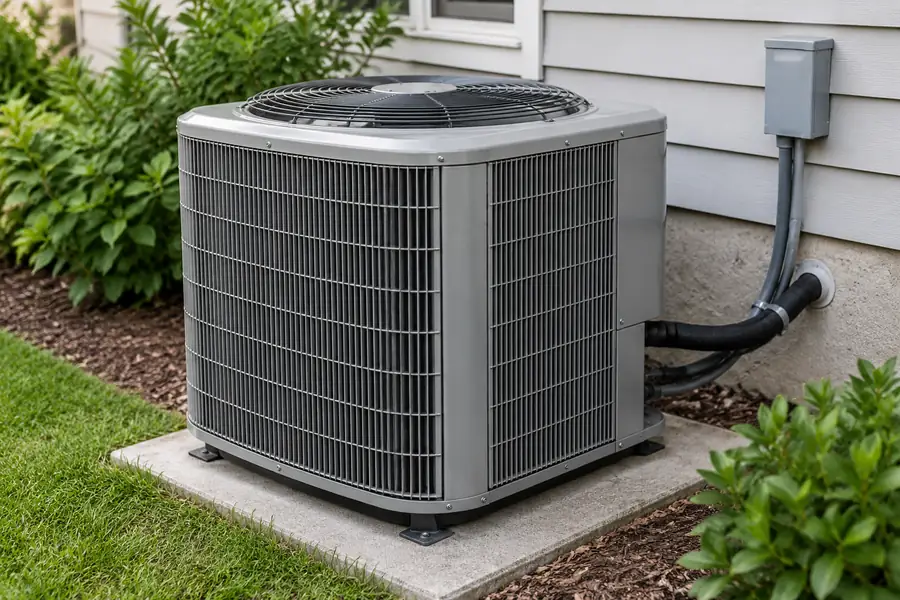
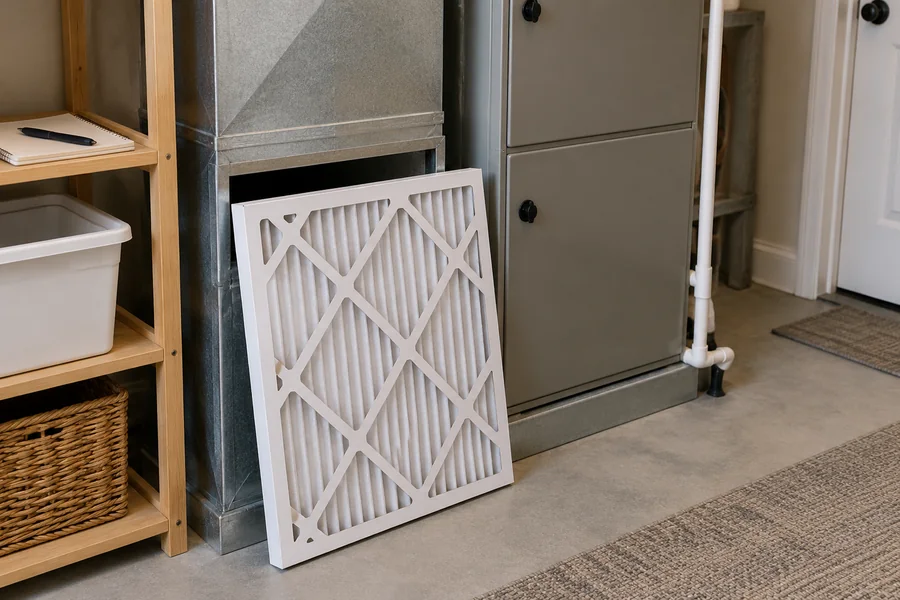
Which are the best central air conditioner brands in 2026? For a typical ducted home replacement, compare locally supported Carrier/Bryant, Trane/American Standard, and Rheem/Ruud systems first. If upfront installed cost is the main concern, add Goodman/Amana. If quiet operation or humidity control matters most, compare suitable two-stage or variable-capacity models from Lennox, Carrier, Trane, or Daikin. York is also a reasonable quote where an experienced local dealer provides the right ducted model. Use this shortlist to compare correctly sized, AHRI-matched systems with dependable local installation and service.
This guide compares these well-known central air conditioner brands for ducted residential systems, mainly using the North American market as a reference. Available models, warranties, parts, and dealer networks differ by country. You’ll learn how to compare exact models, installed prices, reliability evidence, efficiency ratings, and warranty coverage before choosing a contractor.
Best Central Air Conditioner Brands in 2026: Quick Comparison
For a straightforward ducted central AC replacement, compare Carrier/Bryant, Trane/American Standard, and Rheem/Ruud first. Add Goodman/Amana when installed cost is the priority, or compare suitable two-stage or variable-capacity models from Lennox, Carrier, Trane, and Daikin when quiet operation and humidity control matter most. Use the shortlist below to request two or three quotes for the same cooling task, based on your home and service options.
| Your priority | Brands worth comparing | Main trade-off | Verify before signing |
|---|---|---|---|
| Simple, dependable ducted replacement | Carrier / Bryant; Trane / American Standard; Rheem / Ruud | More features are not always necessary for a well-sized home | Local service company, matched indoor coil, exact model and installed scope |
| Lower installed budget | Goodman / Amana; Rheem / Ruud | A lower equipment price can be offset by missing installation work | Full quoted labor, duct and electrical work, parts and labor warranty |
| Quieter operation or better low-load humidity control | Suitable two-stage or variable-capacity lines from Lennox, Carrier / Bryant, Trane / American Standard, or Daikin | Extra controls and equipment cost; service may be more specialized | Compressor stages, controls, design load, indoor match, local parts support |
| Compact site or unusual outdoor space | Daikin ducted configurations; locally available alternatives | Not every side-discharge or split system connects to existing ducts | Correct ducted product type, clearances, capacity and installer experience |
| Strong local dealer with a competitive full-system offer | York and any of the above with model-specific support | Dealer and supply chain matter more than a web ranking | Current warranty issuer, compatible controls, local service and price |
First action: pick two or three locally serviced brands from the row that fits your home. Ask each installer to quote the same load and the same work. The installed-price example below shows how to find missing items before choosing the lowest bid.
Why are brands grouped together?
Some brands share corporate ownership or distribution relationships. Each quoted model still has its own equipment match, warranty document, and dealer support. Compare the model numbers and written scope for each proposal. Ask the installer to identify the outdoor condenser, indoor evaporator coil, furnace or air handler, and controls being supplied.
Which Central AC Brands Fit Different Priorities?
Trane/American Standard and Carrier/Bryant offer different comfort and control choices; Lennox has higher-efficiency configurations; Rheem/Ruud and Goodman/Amana are worth comparing for installed cost. Daikin and York can also fit when the proposed ducted model has dependable local support. For a long, humid cooling season, compare suitable variable-capacity equipment; a smaller cooling load may be served well by a simpler system.
Trane and American Standard: Comfort and Dealer Support
Put Trane and American Standard on your list when you want to compare several compressor and control options. An entry-level single-stage unit runs at full cooling output, while suitable variable-capacity systems can adjust output to changing demand. Compare the actual model and supported indoor controls.
A useful question is whether the installer has experience with the exact controls and indoor equipment in the quote. If only one distant company can service the selected configuration, look again at a widely supported model. See the current Trane residential air conditioner range for examples of how performance changes by model and match.
Compare at the same tier: ask whether each proposal uses a single-stage, two-stage, or variable-capacity compressor, and whether the quoted thermostat and indoor equipment support it. A more advanced control package is worth discussing only when your comfort needs and local service justify it.
Carrier and Bryant: Broad Central System Choices
Carrier and Bryant are sensible comparisons when you want several efficiency and comfort levels. A lower-priced single-stage model may cool a correctly sized home adequately; a supported two-stage or variable-capacity option can better match changing demand and may help with temperature consistency.
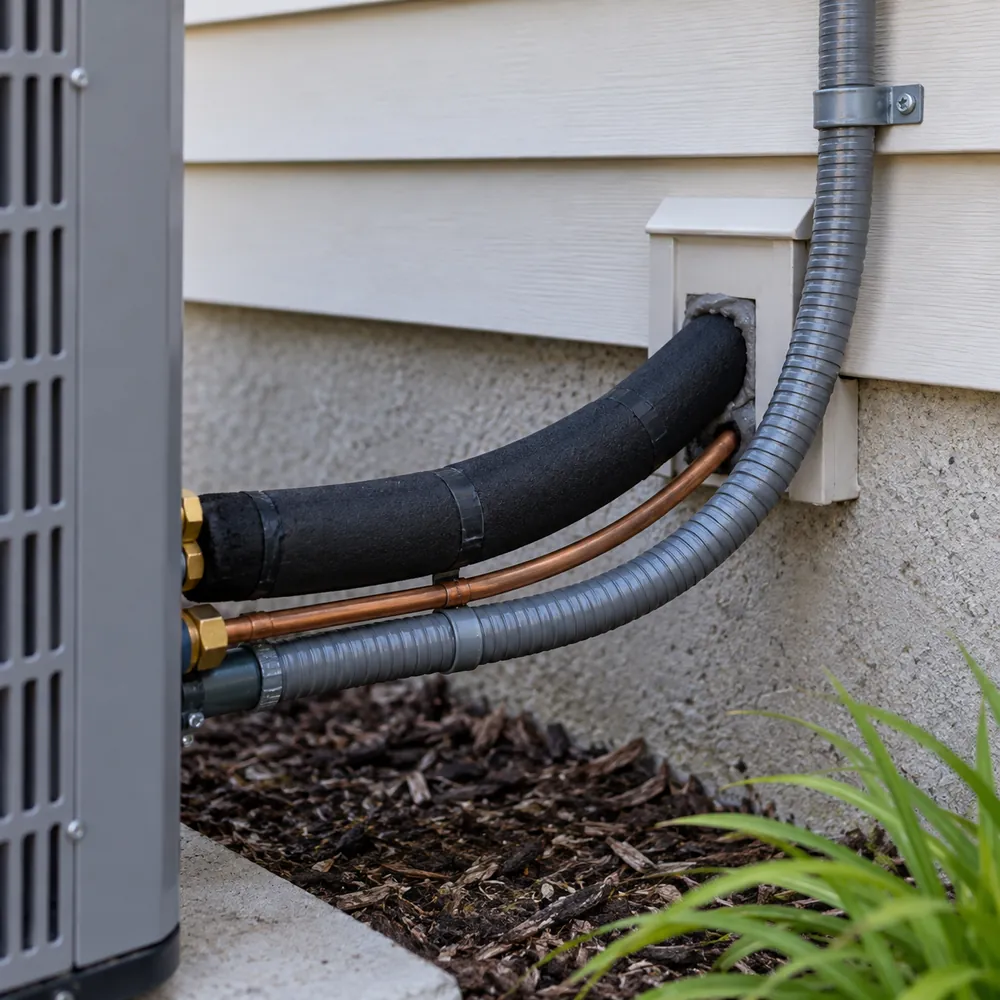
Use the SEER2 rating shown for the exact outdoor-and-indoor combination on its AHRI certificate. Check the compatible thermostat or control in the quote. Carrier’s 26SPA6 product information is an example of why a specific model and its match provide more useful details than a broad brand description.
Compare at the same tier: Carrier and Bryant are both Carrier brands, but that does not make two quoted models identical. Match the outdoor model, indoor coil, control requirements, rated capacity, and written labor coverage before judging their installed prices.
Lennox: High Efficiency When the Full System Matches
Lennox belongs on the shortlist when seasonal energy use and premium comfort features carry weight. Its product families cover different feature levels. Some high-efficiency choices depend on a particular indoor coil, furnace, air handler, or compatible control to reach the displayed rating.
Before paying more, ask the installer to document the matched efficiency rating, extra installed cost, and local control and parts support. Compare projected cooling-energy savings with the cost of any specialist repair labor and controls.
Check the trade-off: compare models in the same equipment tier, including matched efficiency, lower-output comfort, installed price, compatible controls, and future replacement-part availability.
Rheem and Ruud: Balanced Features and Installed Cost
Rheem and Ruud are worth pricing against premium brands, especially if a local contractor services them regularly. Rheem’s current residential air conditioner range includes different performance levels rather than one standard specification.
A quote with an appropriate load calculation, properly matched indoor components, and an established local service company may be the stronger choice even when another brand advertises higher rated efficiency. Compare the complete installed scope, including the condenser, indoor equipment, controls, electrical work, and labor.
Compare at the same tier: put Rheem or Ruud beside a similar-capacity single-stage or two-stage system from the other shortlist brands. Ask which installation items and labor terms differ before assigning the lower quote better value.
Goodman and Amana: Value Depends on the Installer
Goodman and Amana are useful alternatives when you want to keep the project within a defined budget while comparing standard ducted equipment. Judge each proposal by equipment tier, complete installed cost, parts coverage, labor charges, and the local service plan.
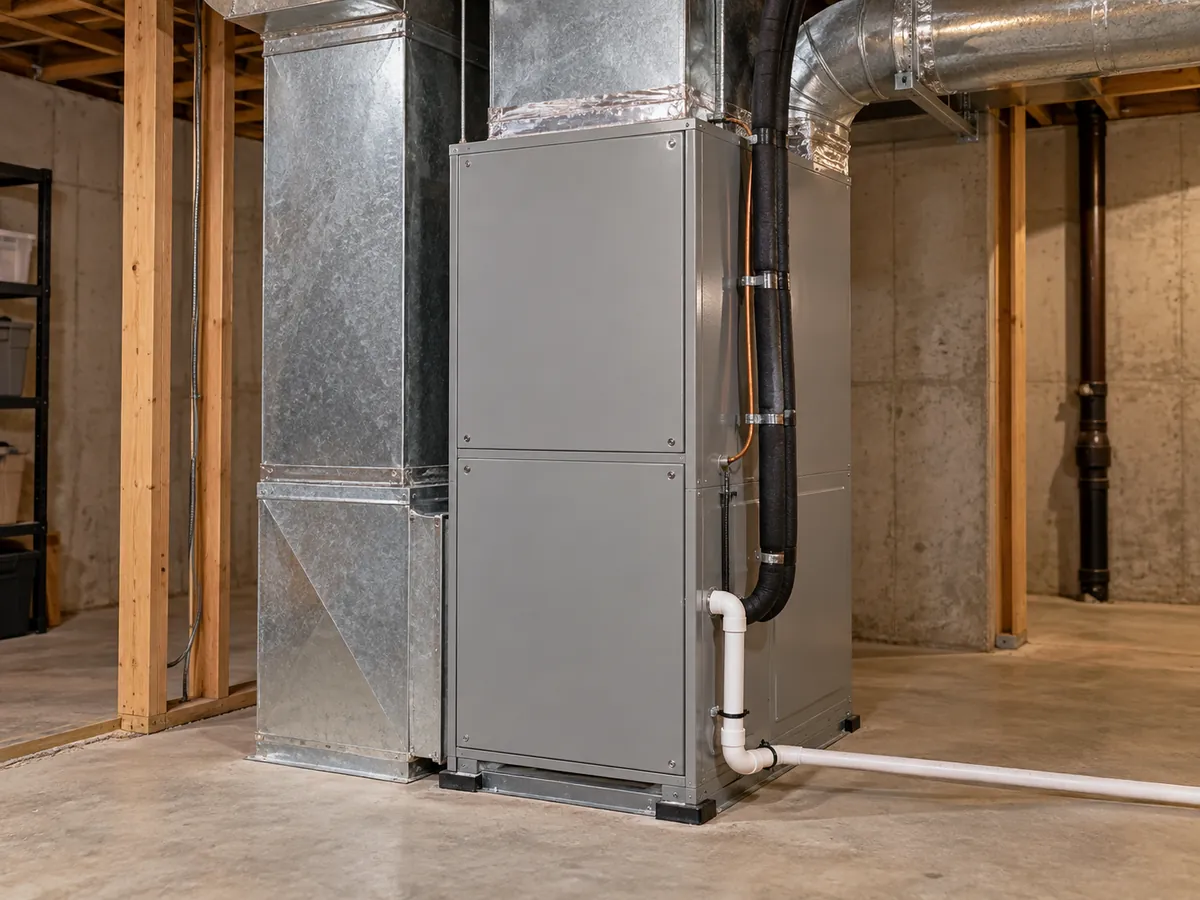
Ask what the installer will do about refrigerant-line condition, air delivery, electrical protection, start-up checks, and future parts service. Check the precise model against Goodman’s current air conditioner range and its warranty terms, including registration rules where applicable.
Check the trade-off: compare Goodman or Amana with another brand’s model at a similar equipment tier and with the same installed scope. They belong to the Daikin group, while each quoted model still has its own features and warranty document.
Daikin and York: Good Options When Local Support Is Strong
For Daikin, compare a ducted central model that fits your space and existing ducts, including space-saving configurations where offered. A wall-mounted mini-split serves a different application. For York, compare the specified ducted model when an experienced local installer and parts supplier can support it. Verify the current model and warranty terms in either case.
For either brand, a strong local installer may be more important than where the name sits on an online top-ten list. Check the exact product type, country of sale, and current warranty document before comparing.
Verify the equipment family: Daikin and York quotes may come from different ducted product lines and dealer networks. For York, confirm the current warranty issuer and parts channel in the model’s product documents. A ductless wall unit serves a different application from a ducted central AC.
What Is the Most Reliable Central Air Conditioner Brand?
The most reliable central AC choice for your home is a correctly sized, matched model backed by relevant owner-reliability evidence, sound installation, and accessible local parts and service. Start with brands on this shortlist that local contractors can support, then compare the exact model, indoor equipment, commissioning checks, and written service plan. Owner surveys help narrow the candidates; the equipment and installer determine whether a quote fits your home.
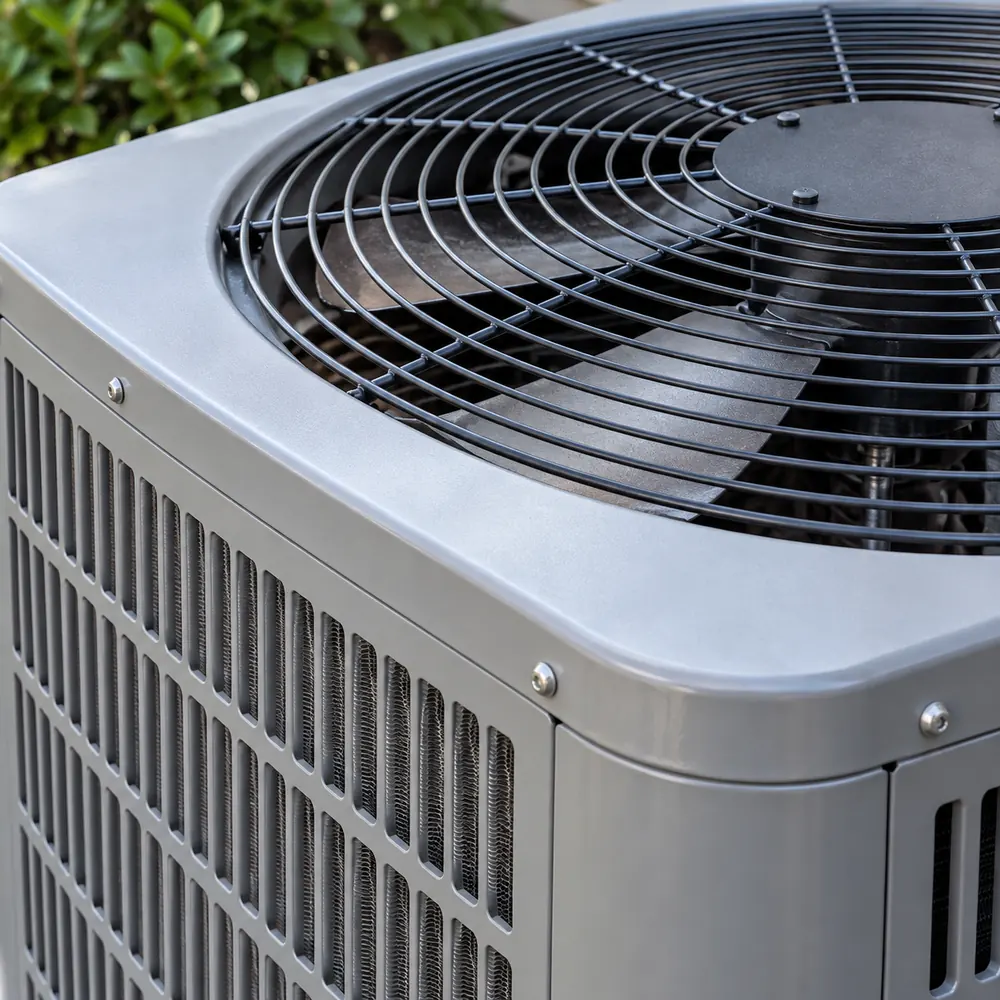
Consumer Reports’ central air conditioning buying guide describes survey-based reliability ratings drawn from more than 13,000 units bought and installed from 2009 through 2024. It tracks owners’ reported problems and distinguishes predicted reliability from owner satisfaction. The survey reports experience with equipment from that period; use it alongside the specifications, installer record, and service coverage of the new model you are considering.
A more direct reliability check is to ask the installer for three concrete answers:
- Who handles service? Get the local company’s name, contact route, and normal service area.
- Which parts are obtainable? Ask about common electrical components, fan motors, coils, controls, and expected ordering processes for the exact model.
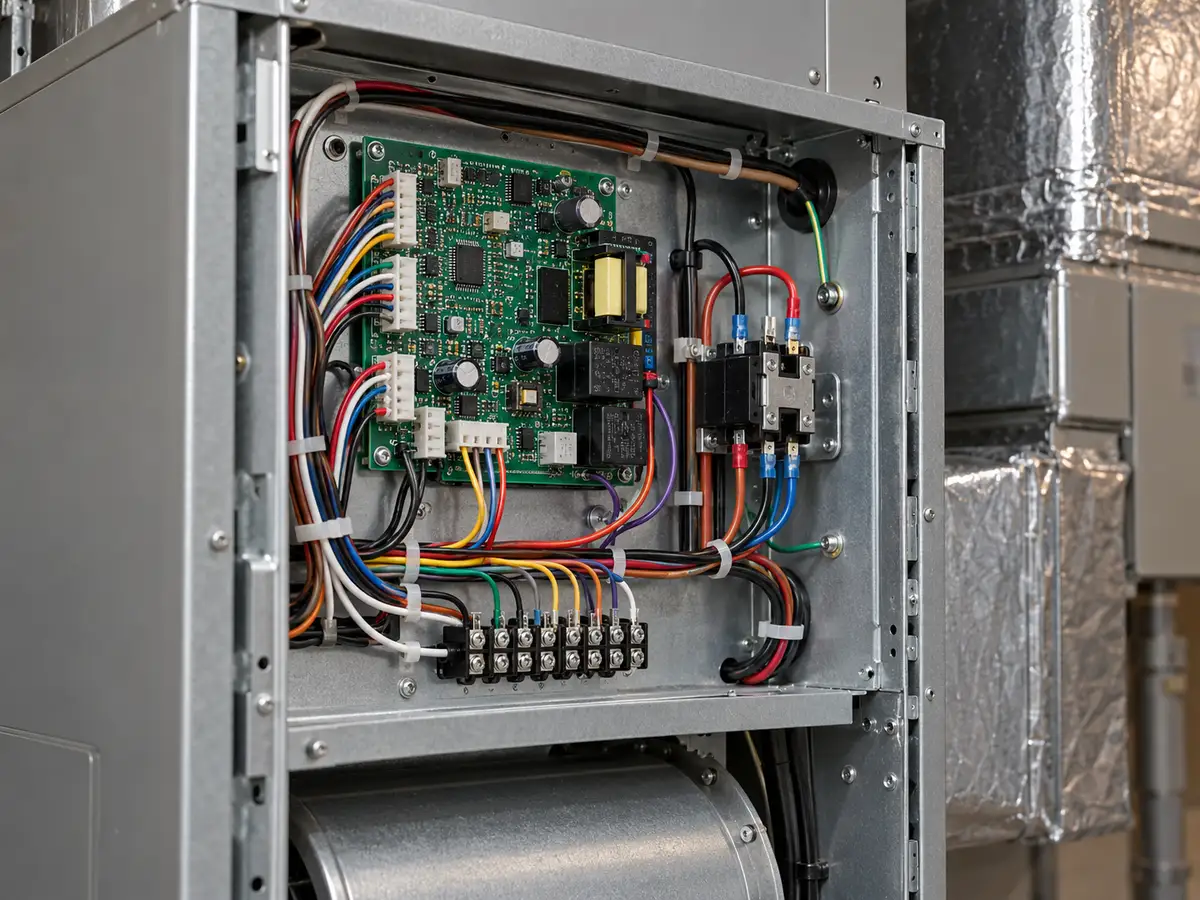
- What is documented at commissioning? Request airflow and refrigerant charge checks, electrical testing, and system operation records as appropriate to the equipment. Commissioning means the installer’s start-up checks that the system is operating as designed.
If two models have similar features, choose the one backed by a skilled, reachable installer with a clear service path. That is a more useful tie-breaker than an unsourced reliability score.
Why can a highly rated unit still fail early?
An oversized system can cycle too often and may remove less moisture before switching off. Restricted airflow, a mismatched indoor coil, or incorrect refrigerant charge can affect cooling and operation. ENERGY STAR’s quality-installation guidance identifies proper sizing, airflow, and refrigerant charge as important installation factors.
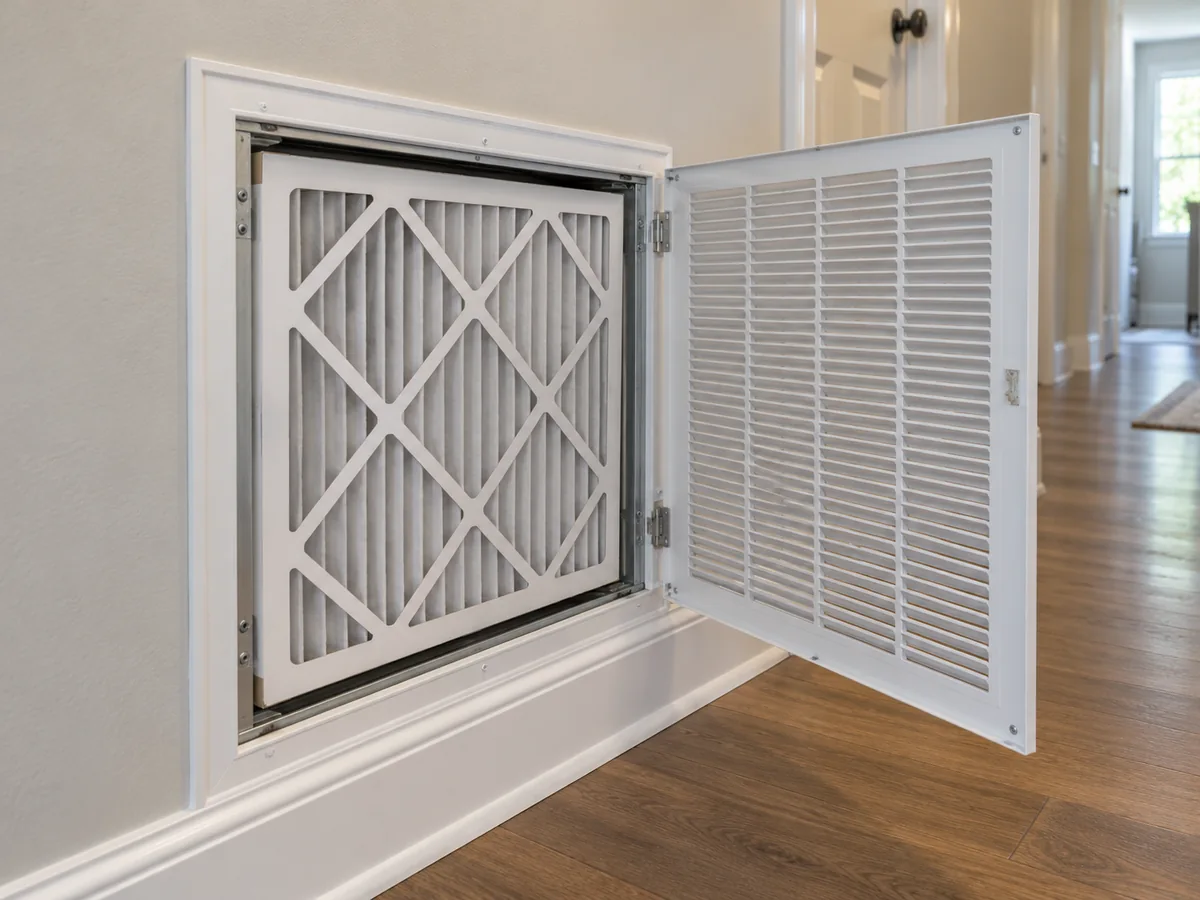
Ask the contractor to document airflow, indoor–outdoor equipment matching, refrigerant charge, and start-up commissioning checks. These records help confirm that the selected model is installed and operating as intended.
How Do You Compare SEER2, Capacity, Noise, and Price?
Compare central AC quotes in this order: size the system to the home’s calculated cooling load, compare the AHRI-certified SEER2 of the exact indoor–outdoor combinations, check noise ratings on the same basis, and compare the full installed prices for the same work. SEER2 measures seasonal cooling efficiency under a defined test method, not the actual cost of electricity in your home. Higher SEER2 generally means less tested cooling electricity for the same cooling output when the complete system is properly matched.
Match the cooling load before comparing tonnage
Choose the unit’s cooling capacity from a home cooling-load calculation, such as ACCA Manual J, before comparing advertised tonnage. A ton of cooling equals 12,000 Btu per hour of rated cooling capacity; it does not describe equipment weight. The load depends on climate, insulation, windows, air leakage, occupancy, and internal heat gains—not floor area alone.
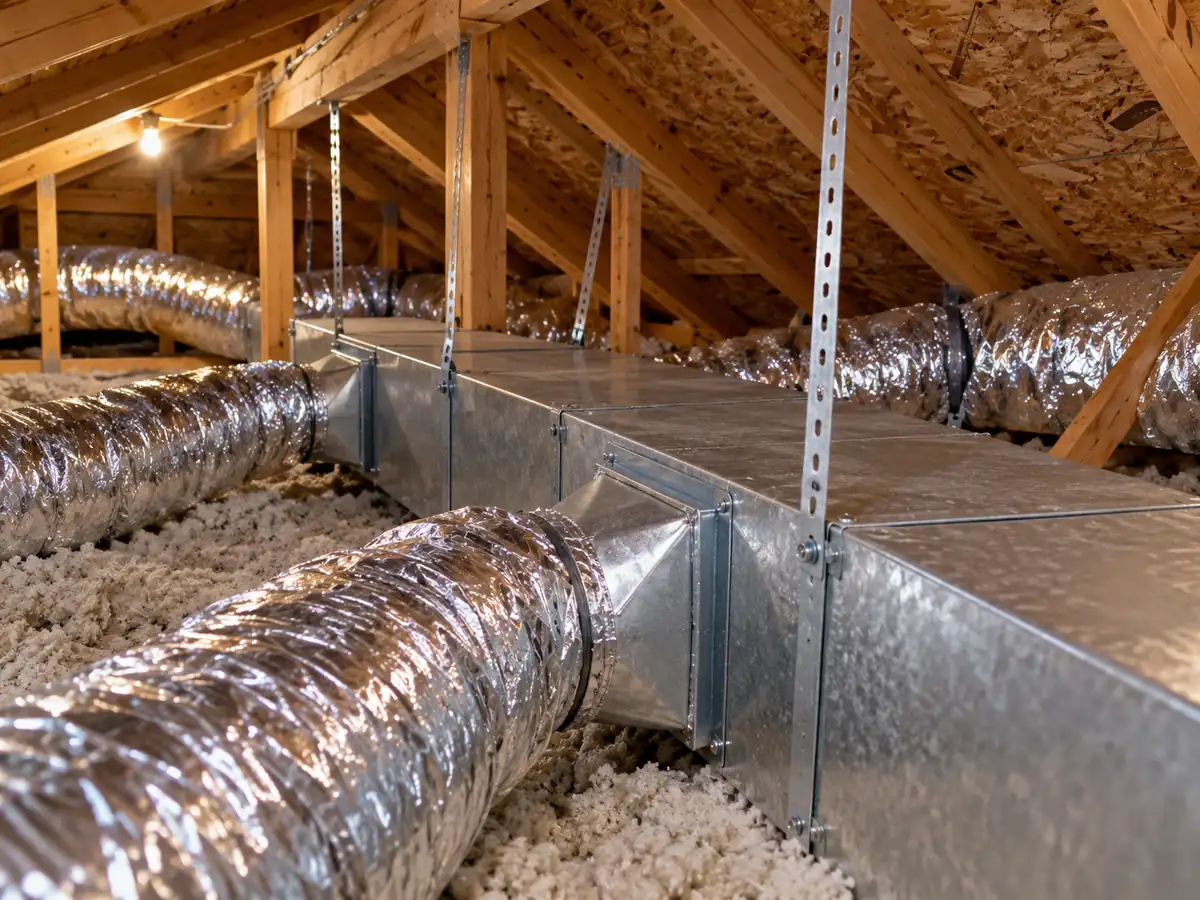
Have the contractor calculate the home’s cooling load using an appropriate method such as ACCA Manual J, then select the equipment to serve that load. For an existing system, do not automatically copy the old tonnage: changes to insulation or windows may have altered demand.
An undersized system may struggle during design weather. An oversized, single-stage system may cool quickly but cycle more often and control humidity less well. The goal is the right capacity and control range, not the largest number on a quote.
Use a matched AHRI rating, not a headline maximum
Ask for the AHRI reference number or certificate for the exact outdoor unit and indoor coil or air-handler combination, and compare the SEER2 stated for that match. A split central AC pairs outdoor and indoor equipment, and its certified efficiency belongs to the tested combination rather than a product-family maximum. Check the reference using the AHRI certified product directory.
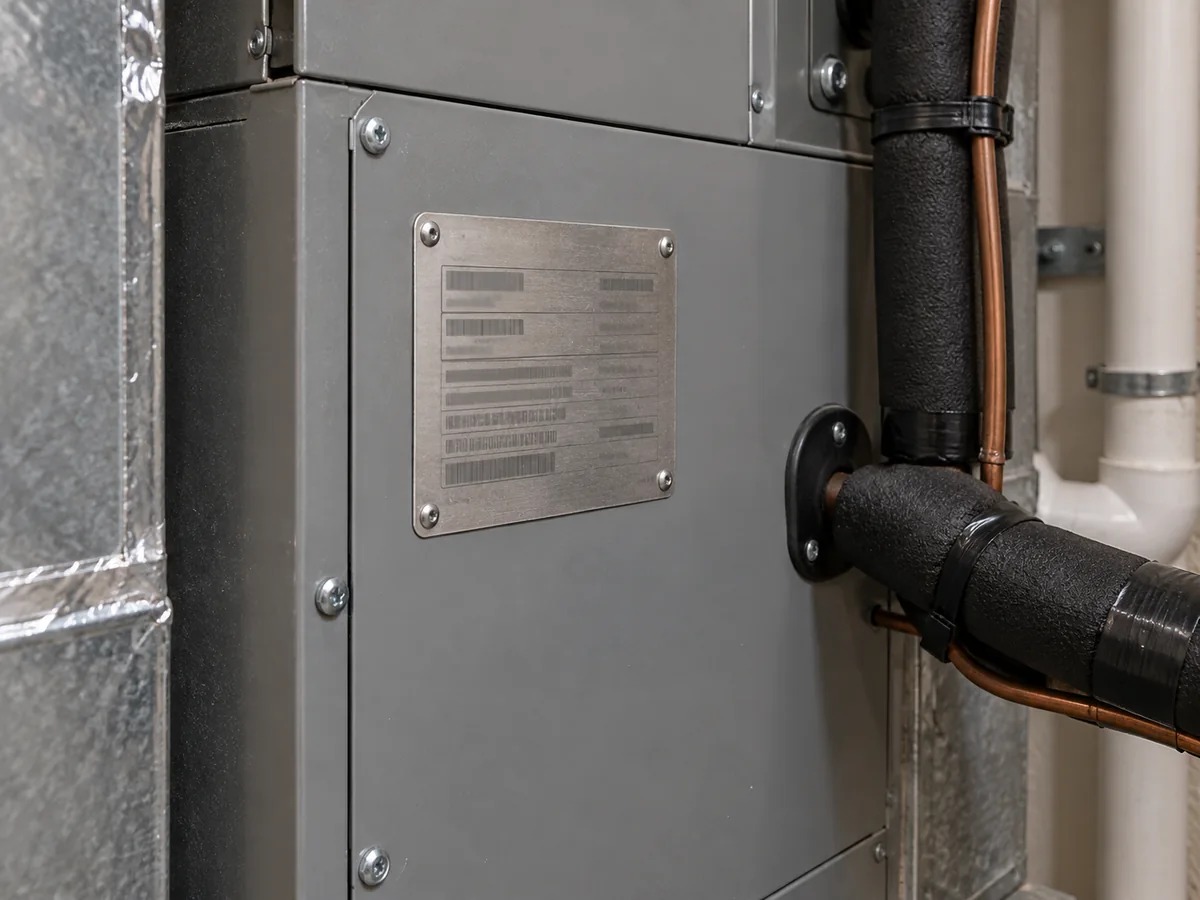
Compare SEER2 and, where relevant, EER2 at the same intended equipment capacity and configuration. Also check sound information under a common measurement basis; advertised ‘quiet’ labels alone do not make two systems comparable.
What changed for central AC in 2026?
The ENERGY STAR specification for central air conditioners ended on February 1, 2026. AHRI-certified matched-system ratings and applicable minimum-efficiency requirements remain useful when comparing a new quote. Check the exact outdoor and indoor model numbers, certified SEER2, and relevant local requirements. See ENERGY STAR’s official sunset notice.
Refrigerant is another 2026 buying question. New U.S. residential systems have moved toward lower-global-warming-potential refrigerants, including R-454B and R-32. The EPA’s current transition rules also allow specific older inventory manufactured or imported before January 1, 2025, to be installed under the updated 2026 provision, and existing R-410A systems can continue to be serviced. Ask whether a quote is for a new lower-GWP system, eligible older inventory, or a repair to existing equipment. Refrigerants and components cannot simply be mixed across system types. See the EPA homeowner repair FAQ.
Which compressor type fits your home?
Consider single-stage cooling when a simple, lower-cost system meets your load; compare two-stage or variable-capacity models when part-load comfort, humidity control, and sound justify the additional controls and installed price. Single-stage cooling runs at full output or turns off. Two-stage equipment can run at a lower output for lighter demand. Variable-capacity equipment adjusts output over a wider range. In a humid or long cooling season, a correctly sized system that runs more steadily may improve comfort. Compare compatible indoor equipment, sound, certified efficiency, service capability, and price at the same required cooling load.
What does an efficiency difference mean in practice?
For the same seasonal cooling output under the same rating assumptions, moving from 15 SEER2 to 18 SEER2 means about 16.7% less cooling electricity in this simplified comparison. This illustrates an efficiency difference between properly matched systems; it is not a prediction of the percentage saved on the whole household electric bill.
The higher-rated unit’s estimated relative cooling electricity is 15 ÷ 18 = 0.833, or about 83.3% of the lower-rated unit’s cooling electricity under these assumptions. Actual results depend on weather, system operation, and cooling use; the household bill also includes other electrical loads.
To decide whether the upgrade is worthwhile, compare its extra installed price against an estimate based on your local electricity rate and cooling use. For example, if your modeled cooling electricity cost is $600 per year for the lower-efficiency choice under the same assumptions, the simplified difference is about $100 per year. A $1,000 upgrade would take about 10 years to recover through that cooling-energy difference alone, before financing or maintenance differences. Replace these demonstration inputs with your own quote and usage data.
Compare completed installation prices
Compare the complete installed cost for the same design load, matched equipment, and written scope of work—not just the outdoor condenser price. Ask each contractor to separate outdoor unit, indoor coil or air handler, line-set changes, duct changes, electrical work, controls, removal, permits, labor, and warranty coverage. Also ask who pays for a return visit if a start-up issue appears.
Set the two bids to the same cooling load, matched capacity, and clearly defined work before you decide which costs less to own and support.
Example: compare two complete quotes on equal terms
In this hypothetical example, Quote B costs $1,300 more than Quote A but includes duct sealing and two years of installation labor coverage. Both proposals address the same documented cooling load and use matched indoor and outdoor equipment. Compare the remaining controls, permits, electrical work, and commissioning requirements line by line:
| What is included? | Quote A | Quote B |
|---|---|---|
| Illustrative total installed price | $8,400 | $9,700 |
| Capacity and matched indoor coil | Same design load; specified | Same design load; specified |
| Duct sealing work | Not included | Included |
| Installation labor coverage | Confirm in writing | 2 years in this example |
| Controls, permits, and electrical work | Verify line by line | Verify line by line |
Have Quote A price the missing ductwork. Ask both installers to confirm the same controls, permits, commissioning checks, and labor coverage. Then compare the updated totals for the same completed work.
Which Central Air Conditioner Brand Has the Best Warranty?
The best central AC warranty is the one for your specific quoted model that clearly states parts coverage, registration rules, labor responsibility, and a workable local claim process. Compare each shortlisted brand’s current written terms for compressor or major-component coverage, exclusions, diagnostic charges, and the installer’s workmanship promise before selecting a quote.
| Warranty question | Why it changes the outcome | What to ask for |
|---|---|---|
| Parts term | A replacement part may be covered while the service call is not | Written terms tied to the model and serial number |
| Labor and diagnosis | Labor can be a major part of a repair bill | Is labor covered by the manufacturer, dealer, or separate plan? |
| Registration | Some coverage levels depend on timely registration, with local exceptions | Who registers it, by when, and how is confirmation saved? |
| Compressor or coil | Certain components can have different terms and conditions | Which components and failures are covered? |
| Replacement eligibility | ‘Unit replacement’ has specific triggers and exclusions | What exact condition activates replacement? |
| Transfer and location | Coverage may change after a home sale or across regions | Does the warranty apply at this installation address? |
For instance, Trane’s warranty and registration guidance distinguishes registered and base limited-warranty coverage, while Lennox’s warranty FAQ explains that coverage varies by product family. Goodman also publishes location-related registration conditions. Compare the written parts period, registration requirement, labor coverage, exclusions, and local claim process for each quoted model.
Example: the compressor fails in year six. The written parts warranty may supply a replacement compressor, but the homeowner might still pay a diagnostic charge, technician labor, refrigerant work, a service visit, or shipping. Ask the dealer which company performs the repair, which charges the manufacturer pays, and which charges remain yours. Repeat the same test for a coil or electronic control board. Choose the terms and local service process you can actually use, rather than comparing only a large “10-year” label.
How to Choose the Best Brand and Installer for Your Home
Get a cooling-load calculation, compare correctly matched models quoted for the same installation scope, and choose the contractor with a clear parts, labor, and local service plan. The steps below show what to ask for and how to check each proposal.
- Define the project. Record location, home size, existing ductwork, hot or humid rooms, budget, noise concerns, and whether you need cooling only or a heat pump that also heats.
- Confirm the load. Request a cooling-load calculation based on actual building conditions. Ask which design temperatures and home changes were included.
- Compare matched proposals. Get outdoor and indoor model numbers, capacity, SEER2, compressor type, control compatibility, AHRI reference, and a complete installation scope.
- Test local service. Find out who performs warranty work, expected parts channels, emergency availability, and whether the proposed system uses specialist controls.
- Review warranty and commissioning. Get written registration instructions, labor terms, start-up checks, airflow plan, refrigerant setup, and a handover record.
- Choose the best complete system. Prefer the quote that satisfies the load and your comfort priorities with a clear support path. A premium logo cannot repair an incomplete installation plan.
What should you ask every central AC installer to include?
Send the same request to each contractor: “Please provide the cooling-load calculation (including design conditions), outdoor model, matching indoor coil or air handler, AHRI reference, rated capacity, SEER2 and EER2 where applicable, compressor stages, controls, refrigerant, complete installed price and exclusions, required duct/electrical changes, permits, commissioning checks, warranty registration, parts and labor terms, and the local company responsible for future service.”
This gives you comparable written proposals. AHRI identifies a certified combination; commissioning means the tests carried out when the system first starts up. Ask the contractor to explain any line that is missing or priced separately.
What changes in humid, coastal, or very hot regions?
For a humid climate, discuss low-load humidity control and longer, steadier operation; correctly sized two-stage or variable-capacity equipment may be worth considering. Near salt air, ask about manufacturer-approved corrosion protection and maintenance requirements for the precise model. In very hot climates, compare capacity and efficiency at relevant outdoor conditions and make sure the installer uses local design weather rather than generic national averages.
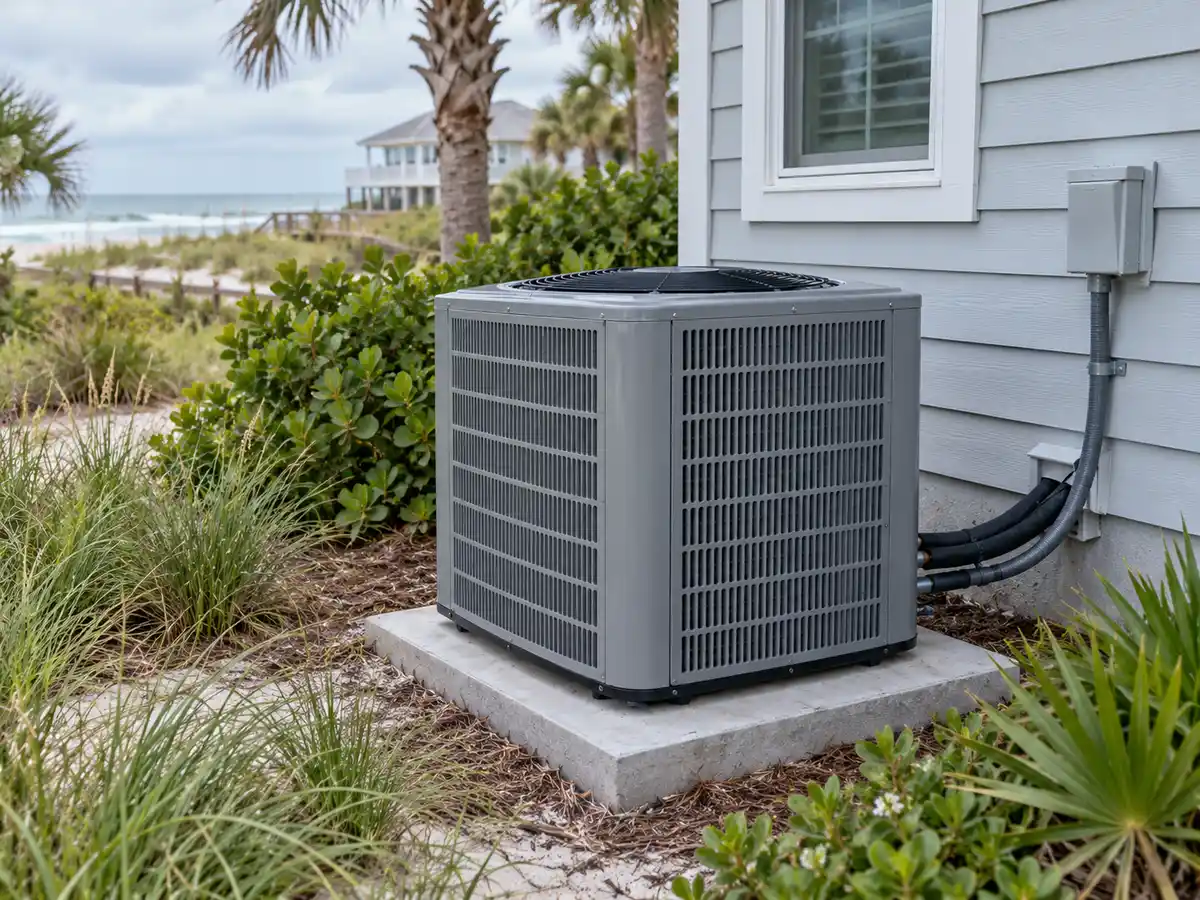
Ask the dealer to explain how local humidity, salt air, and design temperatures affect the exact equipment choice. If those conditions are missing from the proposal, request a revised design review that addresses them.
What if a highly rated brand has no nearby service company?
Choose a well-supported alternative if the premium option has no realistic local service route. Ask the seller to name the business that will diagnose faults, supply parts, and honor warranty work. A simple, properly sized unit with dependable local help can be a better long-term decision than a more advanced unit left unsupported.
Are There Central Air Conditioner Brands to Avoid?
Remove a central AC quote from your shortlist when the proposed equipment lacks a verified indoor–outdoor match, load-based capacity choice, accessible local service, or clear warranty labor terms. Watch for missing indoor-unit model numbers, an efficiency claim that cannot be tied to the supplied equipment, and an installer who cannot explain the future service process.
Reject a specific model when its controls, physical fit, required features, local parts supply, or installer support fail your project’s requirements. Use model-specific evidence and the actual quote to screen unsuitable options.
For a broader way to screen negative online claims, see our related guide, Air Conditioner Brands to Avoid?. Use it alongside a positive equipment comparison, not in place of one.
Central Ducted AC or a Ductless Split System?
Choose ducted central air when your home already has suitable ducts and you want to cool rooms through those ducts. If ductwork is absent or expensive to rebuild, a ductless system may be the more practical project. Both approaches need cooling-load assessment, matching equipment, and reliable local service; their equipment and installation quotes should not be mixed.
Ducted central AC replacements and wall-mounted ductless splits serve different projects. For an existing U.S. ducted system, request model-specific quotes from qualified local installers. At Airproz, our air-conditioner range focuses on split air-conditioning solutions for suitable residential, hotel, commercial, distribution, and OEM projects. Our team can help assess Airproz split-system options for those applications.
Final Recommendation: Which Central Air Conditioner Brand Should You Choose?
For the best central air conditioner brands in 2026, shortlist Carrier/Bryant, Trane/American Standard, and Rheem/Ruud for a straightforward locally supported replacement; add Goodman/Amana when installed cost is central to the choice, or compare suitable Lennox, Carrier, Trane, and Daikin variable-output options when low-load comfort and quiet operation matter. York also belongs in the comparison if a qualified nearby dealer can provide the right ducted system. Choose the proposal that best matches your home’s cooling load, AHRI-rated equipment, installation scope, written warranty, and local service plan.
If two options are close, choose the better documented installation and service plan. For a budget-focused project, prioritize controls and features you will actually use. If humidity, noise, or long cooling seasons matter, compare suitable two-stage or variable-capacity configurations and their real installed price difference.
For a ducted home AC replacement: use the written quote checklist with qualified local installers. For a split-system distribution, commercial supply, or OEM project: contact our Airproz team with the destination market, building use, cooling capacity, power supply, order requirements, and preferred product type. We can review which Airproz split-system models match your project requirements.
Frequently Asked Questions
Is Carrier or Trane better for central air conditioning?
For two properly sized, comparably equipped quotes, choose the Carrier or Trane model with the better documented local installation, service plan, and total installed value for your home. Verify matched AHRI ratings, compressor stages, controls, warranty terms, and who will repair each system. If their features are similar, local installer quality and service coverage can decide the choice.
Which central AC brands offer the lowest repair risk?
From the brands on this shortlist, prioritize locally supported models with relevant owner-reliability evidence, an appropriate matched system, and a contractor who can document proper installation. Compare survey results for the correct product category, parts availability, commissioning checks, and each model’s warranty service route. A qualified service team nearby improves your ability to resolve problems after installation.
Is an expensive central air conditioner always more efficient?
No. Price can also reflect controls, cabinet construction, features, labor, dealer overhead, and warranty arrangements. Compare certified SEER2 values for the specific matched systems, then estimate yearly cooling-energy savings with your climate, usage, and electricity price. Pay for an efficiency upgrade when the expected comfort or energy benefit justifies its installed cost.
Can I replace only the outdoor central AC unit and keep the old indoor coil?
Only if the manufacturer approves a compatible configuration and the installer verifies the system match. The outdoor unit and indoor coil affect capacity, efficiency, refrigerant requirements, and control operation. Ask for the equipment match and its rating before assuming a condenser-only replacement will keep the advertised efficiency or warranty.
Should I choose a central AC heat pump instead of a cooling-only unit?
Choose a heat pump when you also want the outdoor system to provide heating and it fits your climate and existing heating plan. Compare both cooling efficiency and the heating performance at relevant temperatures. A cooling-only central air conditioner does not become a heating heat pump just because the outdoor cabinet looks similar.
Is a ten-year parts warranty enough for a central air conditioner?
No, not by itself. A ten-year parts term may still leave you paying for diagnosis, labor, refrigerant, or service visits. Check registration requirements, covered components, and who performs warranty work. Ask for a written example of how a compressor or coil claim would be handled in year six.