Quick answer: AC cooling time is the time needed to bring a room to setpoint — typically 15–30 minutes for a small, correctly sized room, and several hours for a whole house or an undersized unit.
How long does AC take to cool a room? It’s one of the most common questions a dealer, facilities engineer, or property manager hears before or after an installation — and the answer needs to be a reliable range, not a guess. Cooling time depends on unit capacity, room size, insulation, and outdoor conditions, so a single number is never the full picture. A correctly sized small room can reach target temperature in under 30 minutes, while a larger space, an undersized unit, or extreme outdoor heat can push that to several hours.
This guide gives dealers, contractors, and OEM buyers a practical framework: typical cooling-time benchmarks, the factors that actually move the needle, and a way to explain expectations to clients before they ask.
How Long Does AC Take to Cool a Room? Typical Times by Space
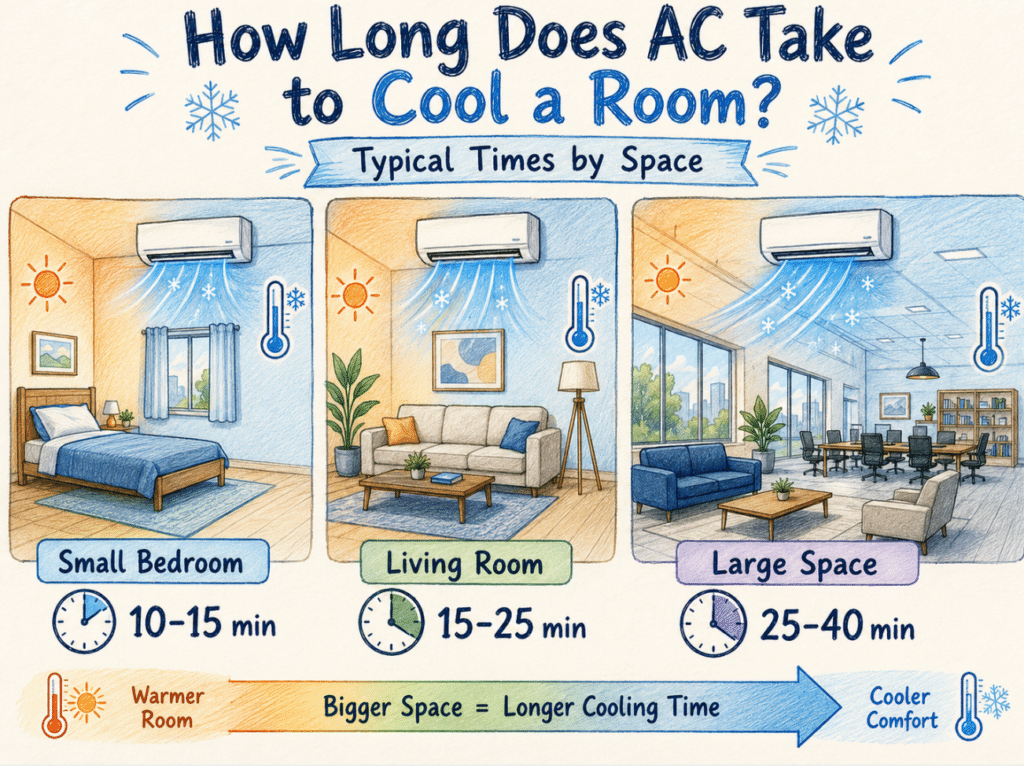
There is no single answer because every space is different. The table below gives general benchmarks for a correctly sized unit, assuming outdoor temperatures of 29–35°C (85–95°F), average insulation, and a well-maintained system with standard 2.4 m (8 ft) ceilings.
| Room Type | Approx. Size | Recommended Capacity | Typical Cooling Time (6–8°C / 10–15°F drop) |
|---|---|---|---|
| Small bedroom / office | 14–19 m² (150–200 sq ft) | 1.5–1.8 kW (5,000–6,000 BTU) | 15–30 minutes |
| Master bedroom / small living room | 28–37 m² (300–400 sq ft) | 2.3–2.9 kW (8,000–10,000 BTU) | 30–45 minutes |
| Large living room / open plan | 46–65 m² (500–700 sq ft) | 3.5–4.1 kW (12,000–14,000 BTU) | 45–60 minutes |
| Small apartment / suite | 65–93 m² (700–1,000 sq ft) | 5.3 kW (18,000 BTU) | 1–2 hours |
| Whole house / villa (3–4 bedrooms) | 140–230 m² (1,500–2,500 sq ft) | 10.5–14 kW (3–4 ton central/multi-split) | Several hours — highly project-dependent |
Whole-building cooling time varies too widely for one benchmark figure. A commonly used HVAC rule of thumb is roughly 1°C of drop per hour under typical conditions, but starting temperature, humidity, and building envelope all shift that number significantly — this is worth explaining to clients rather than promising a fixed time.
Sizing benchmarks like these trace back to the ENERGY STAR room air conditioner sizing guidance, which uses roughly 20 BTU per square foot per hour (about 65 W/m²) as a baseline for AC sizing before adjusting for climate, sun exposure, and insulation. In hot, humid markets such as the UAE and Southeast Asia, that baseline typically needs to be adjusted upward.
For a full walkthrough of capacity calculations by project type, see our BTU and room size sizing guide.
How Sizing Affects Cooling Speed
Unit sizing is the single biggest factor in cooling speed — more than any tip or trick. Two failure modes cause most complaints:
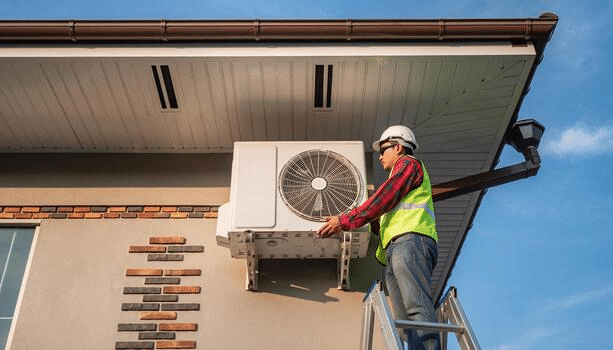
- Undersized units run continuously and never quite reach the target temperature, especially on hot days.
- Oversized units cool the air quickly but shut off before removing enough humidity, leaving the space feeling cold and clammy — a problem known as short cycling.
Efficiency ratings such as SEER or SCOP measure energy performance over a season — they don’t measure cooling speed. A high-efficiency unit that’s the wrong size for the room will still struggle to reach setpoint quickly. Proper sizing, not a higher efficiency rating, is what determines cooling speed.
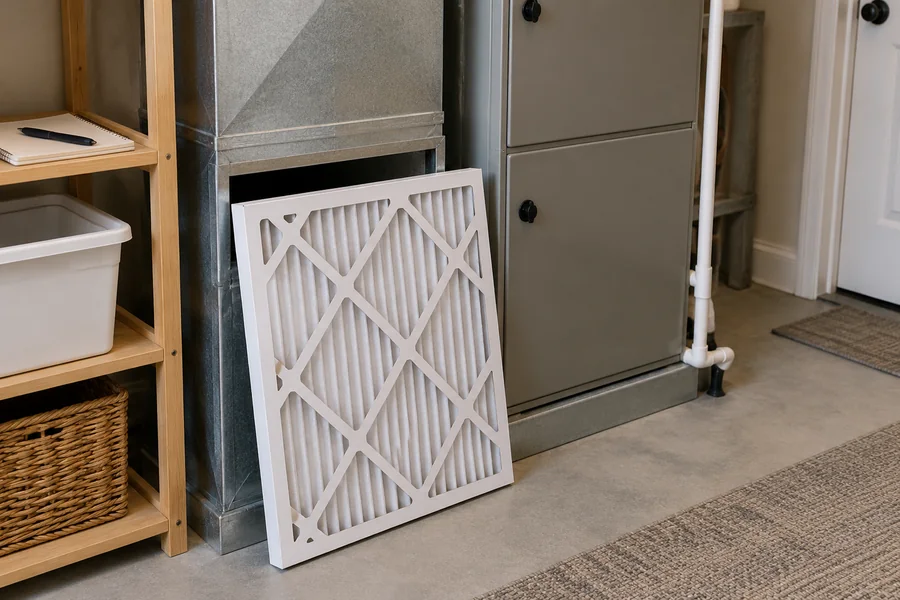
Other factors that slow cooling once sizing is correct: a dirty air filter can cut airflow — and cooling capacity — by 15–30%; poor insulation or unsealed ductwork lets cooled air escape; and in humid tropical climates, the system has to remove moisture before the temperature drops, which can add 20–30% to total cooling time.
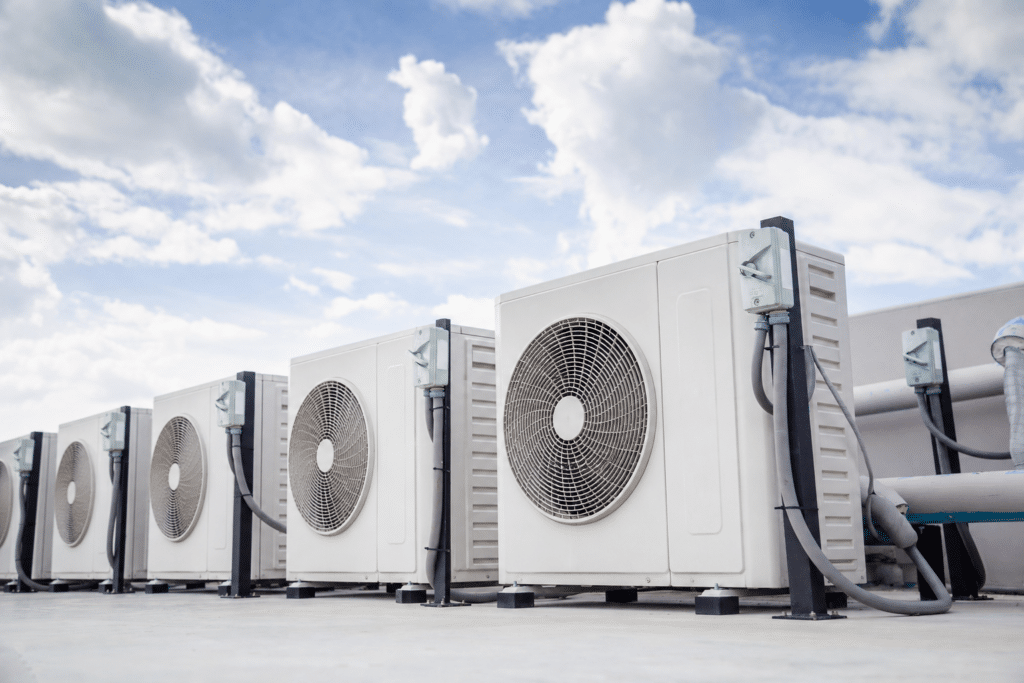
For a deeper look at diagnosing sizing mismatches on commercial projects, see our undersized vs. oversized AC guide.
Specifying AC capacity for a project? Airproz supplies R32 inverter split air conditioners from 2.6 kW to 7 kW (9,000–24,000 BTU), built with SCOP ratings suited to European, Australian, UAE, and Southeast Asian markets. Browse Air Conditioner Range →
How to Explain Cooling Time Expectations to Clients

Nameplate cooling capacity isn’t measured under real-world site conditions — it’s measured under standardized lab conditions. Under AHRI Standard 210/240, the industry benchmark for rating unitary AC and heat pump equipment, cooling capacity is tested at a fixed outdoor temperature (35°C / 95°F) and fixed indoor conditions. Actual site performance shifts once ceiling height, solar exposure, humidity, or ductwork differ from that test setup — which is exactly why two identical-spec units can cool at different speeds in two different rooms.
A simple three-step framework helps front-line teams set accurate expectations before a client asks:
- Give a range, not a number. Use the sizing table above as the starting benchmark for the room type.
- Flag the site variables that could extend it. West-facing glass, high or open ceilings, poor insulation, and high humidity are the usual culprits — mention them at handover, not after a complaint.
- Set a clear check-in trigger. If actual cooling time runs well beyond the estimated range, that’s the signal to inspect filters, refrigerant charge, and ductwork rather than assume the unit is simply slow.
Our engineering team at Airproz builds this expected-range language directly into project handover documentation for dealers and installers, so front-line staff have a consistent, defensible answer ready before a client ever asks. Full capacity and test-condition data for our R32 inverter split AC (SA series) is available for project specification.
Quick On-Site Checklist to Improve Cooling Speed
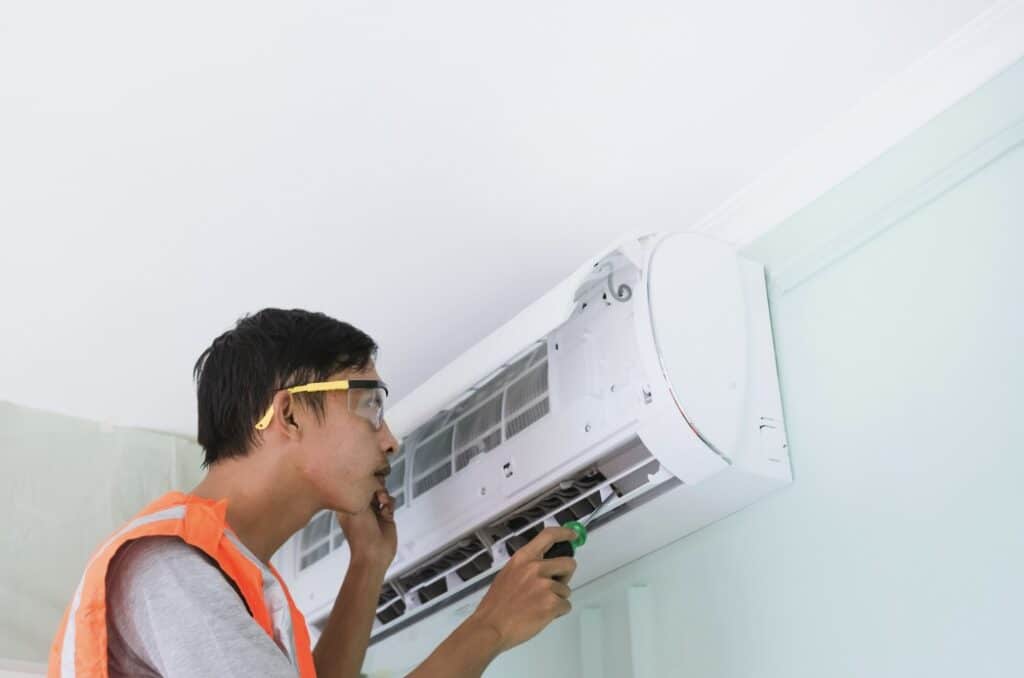
Once sizing is confirmed correct, here’s how to cool a room faster without any equipment changes:
- Check the air filter first. A clogged filter is the most common cause of slow cooling — recommend monthly checks.
- Close blinds on sun-facing windows. Solar heat gain through glass is one of the largest and cheapest-to-fix cooling loads.
- Use ceiling fans alongside the AC. The wind-chill effect lets the thermostat run about 2°C (4°F) warmer with no loss of comfort.
- Set the thermostat to the actual target temperature. Setting it lower does not cool the room faster — the unit runs at the same rate either way, it just runs longer.
- Pre-cool before peak heat. Starting the system 30–60 minutes before the hottest part of the day gives it a head start instead of fighting a rising heat load.
Preventing Cooling Complaints Through Maintenance
Most “why isn’t it cooling faster” calls trace back to something routine maintenance would have caught. Building that maintenance rhythm in from the start reduces complaint volume — it isn’t just a follow-up answer, it’s the fix.
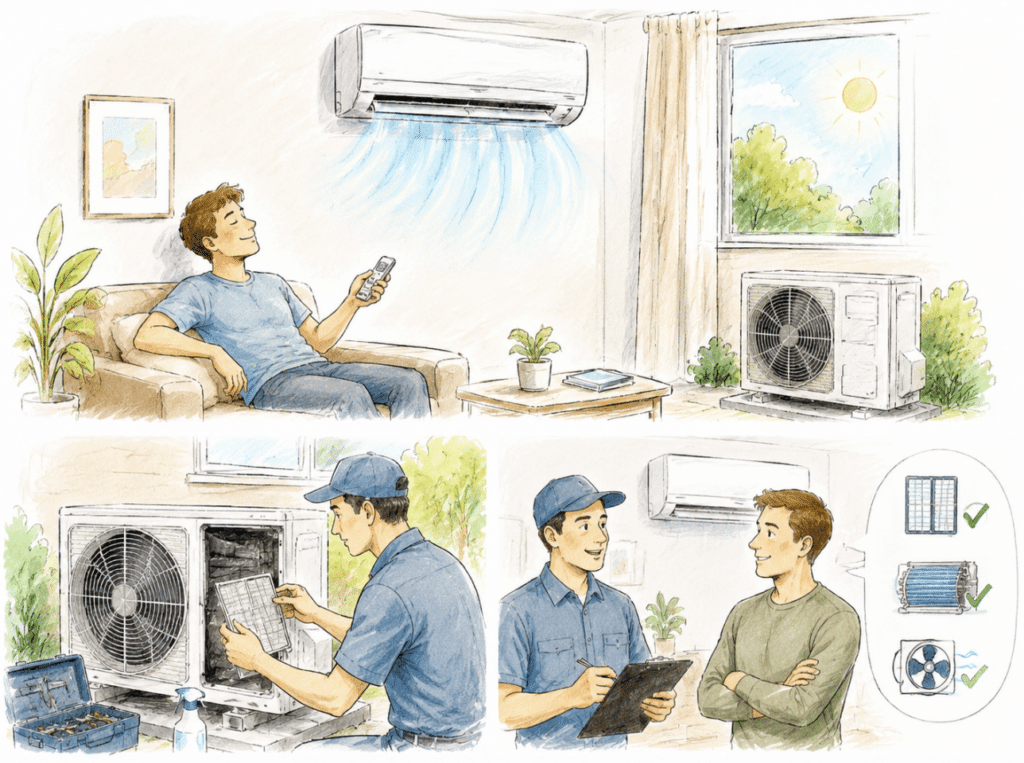
- Filter reminders as a recurring maintenance touchpoint address the single most common cause of slow-cooling complaints before they happen.
- Pre-season tune-ups (refrigerant charge check, coil cleaning, airflow test) catch problems before peak heat, when complaint volume — and warranty calls — are highest.
- A documented expectation range at handover, tied to a maintenance schedule, gives dealers a natural reason to check in with clients before a small issue becomes a complaint call.
If cooling time is consistently outside the expected range even after these checks, it’s worth ruling out a genuine fault rather than assuming normal variation — see our guide on why an air conditioner isn’t cooling for a structured troubleshooting checklist.
For a complete framework covering supplier evaluation, certifications, and procurement steps, see our B2B heat pump and AC buying guide.
Looking for AC units built for consistent, predictable cooling performance across markets? Airproz manufactures R32 inverter split air conditioners with anti-corrosion condenser coils for coastal/humid climates, available for OEM, wholesale, and bulk supply. Contact Airproz for OEM/Wholesale →
FAQ: How Long Does AC Take to Cool a Room
How long should it take a properly sized AC to cool a room?
A correctly sized unit typically cools a small room in 15–30 minutes and a medium room in 30–60 minutes. Whole-house cooling takes several hours and varies significantly by project.
Why does a new AC installation sometimes cool slower than the nameplate spec suggests?
Nameplate capacity is tested under standardized lab conditions. Real-world factors — ceiling height, solar exposure, humidity, ductwork, and filter condition — all shift actual performance away from that benchmark.
Does a higher SEER or SCOP rating mean faster cooling?
No. These ratings measure seasonal energy efficiency, not cooling speed. Correct sizing — not efficiency rating — determines how fast a room reaches setpoint.
What size AC do I need for a given room?
A common baseline is roughly 20 BTU per square foot per hour (about 65 W/m²), adjusted upward for sun exposure, high ceilings, or hot, humid climates.
How can dealers reduce slow-cooling complaints after installation?
Set a clear expectation range at handover, flag site-specific factors upfront, and schedule filter and pre-season maintenance check-ins.
Cooling time estimates are general industry benchmarks and can vary by project. Sizing and efficiency standards referenced (ENERGY STAR, AHRI 210/240) reflect guidance current as of publication — verify the latest applicable standard for your target market before specifying equipment.