Quick answer
At Airproz, we do not rule out Daikin, York, Goodman, Amana, Carrier, Trane, Lennox, or another established HVAC brand just because of the name. We rule out an exact system when its model, approved indoor/outdoor match, recall status, warranty, local service, or final setup cannot be confirmed.
A complaint can show a real problem. It cannot show a fair brand-wide failure rate unless we also know how many systems were installed and what caused the failures. So we do not reject a logo. We reject unresolved project risk.
| We do not reject | We do reject |
|---|---|
| A brand because of forum posts | An unresolved model-level recall |
| A system because one owner had a bad experience | An indoor/outdoor match that cannot be verified |
| A long warranty at face value | Unclear labor, parts, registration, or claim responsibility |
| A lower-cost unit just because it is cheaper | A system with no practical installation, commissioning, parts, or service path |
Air Conditioner Brands to Avoid? How We Screen Each Brand
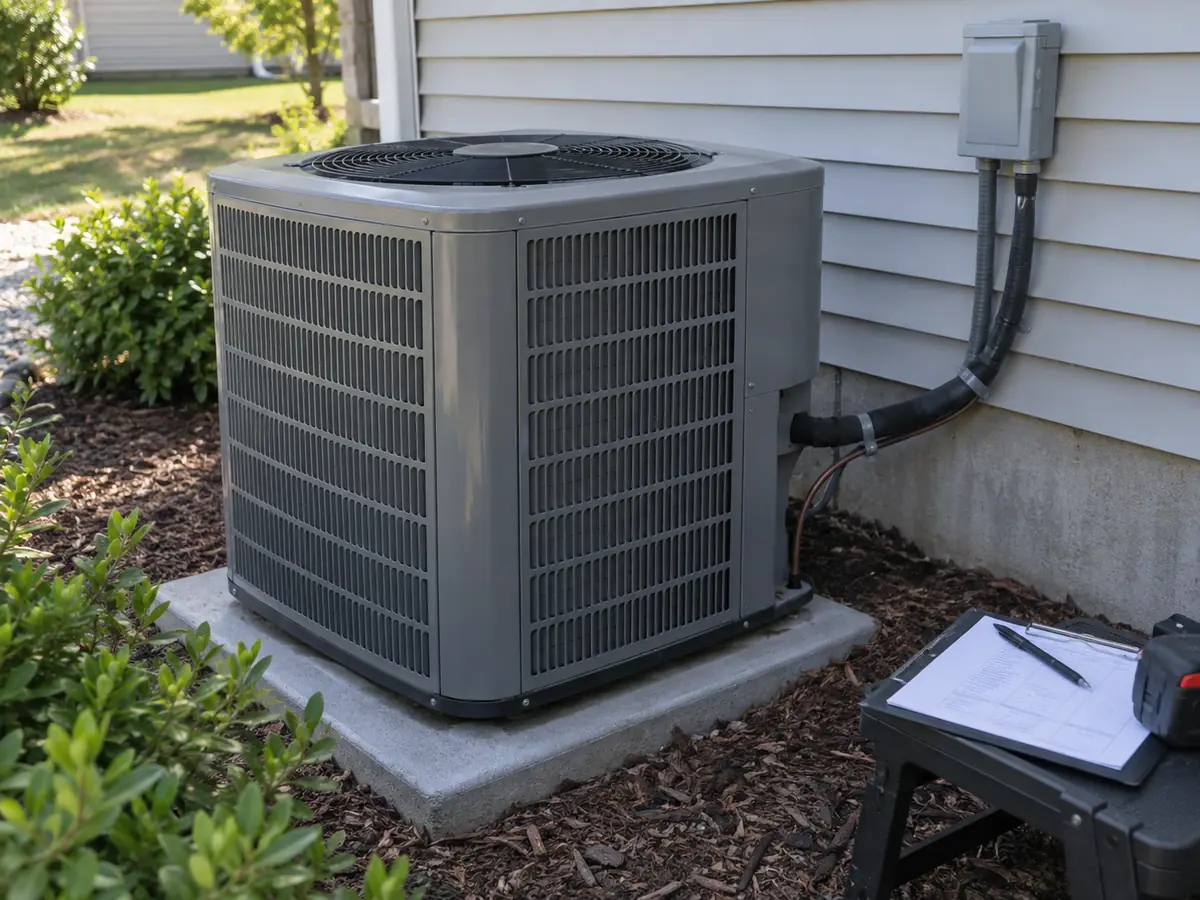
Searches for air conditioner brands to avoid, AC brands to avoid, and heat pump brands to avoid often lead to simple blacklists. We take a different approach. We check the exact model, matched components, warranty, recall status, local service, parts support, and who will complete the final setup and test. That final setup is called commissioning.
| Brand | What we verify | Main risk to check | When we would walk away |
|---|---|---|---|
| Daikin | Survey coverage, warranty, model-level recalls | Recall status, inverter/control service, parts | Recall is unresolved or local service and warranty support cannot be confirmed. |
| York | Warranty and registration rules | Local service, labor exposure, claim route | No practical local service route or clear claim responsibility. |
| Goodman / Amana | Warranty guidance and model-level recalls | System match, setup, registration, labor | The match, commissioning owner, or warranty path remains unclear. |
| Carrier | Model-specific warranty options | Exact coverage and matched equipment | The quote does not identify the exact warranty and matched combination. |
| Trane | Registered warranty guidance | Parts coverage versus labor and service cost | Local labor, diagnosis, refrigerant, or service exposure cannot be estimated. |
| Lennox | Series-specific warranty terms | Exact series and local parts/service route | The product series or local support path cannot be confirmed. |
Comparing HVAC options for a project?
Send Airproz the destination market, design conditions, power supply, refrigerant requirement, and any current model list. We can screen the system family and show which technical questions still need an answer. Compare HVAC options with Airproz.
When Airproz Would Reject an AC or Heat Pump
A strong brand name does not fix missing engineering or service information. We use six stop rules. If one of these points cannot be confirmed, we hold the system until the risk is closed.
What Matters More Than the Brand Name
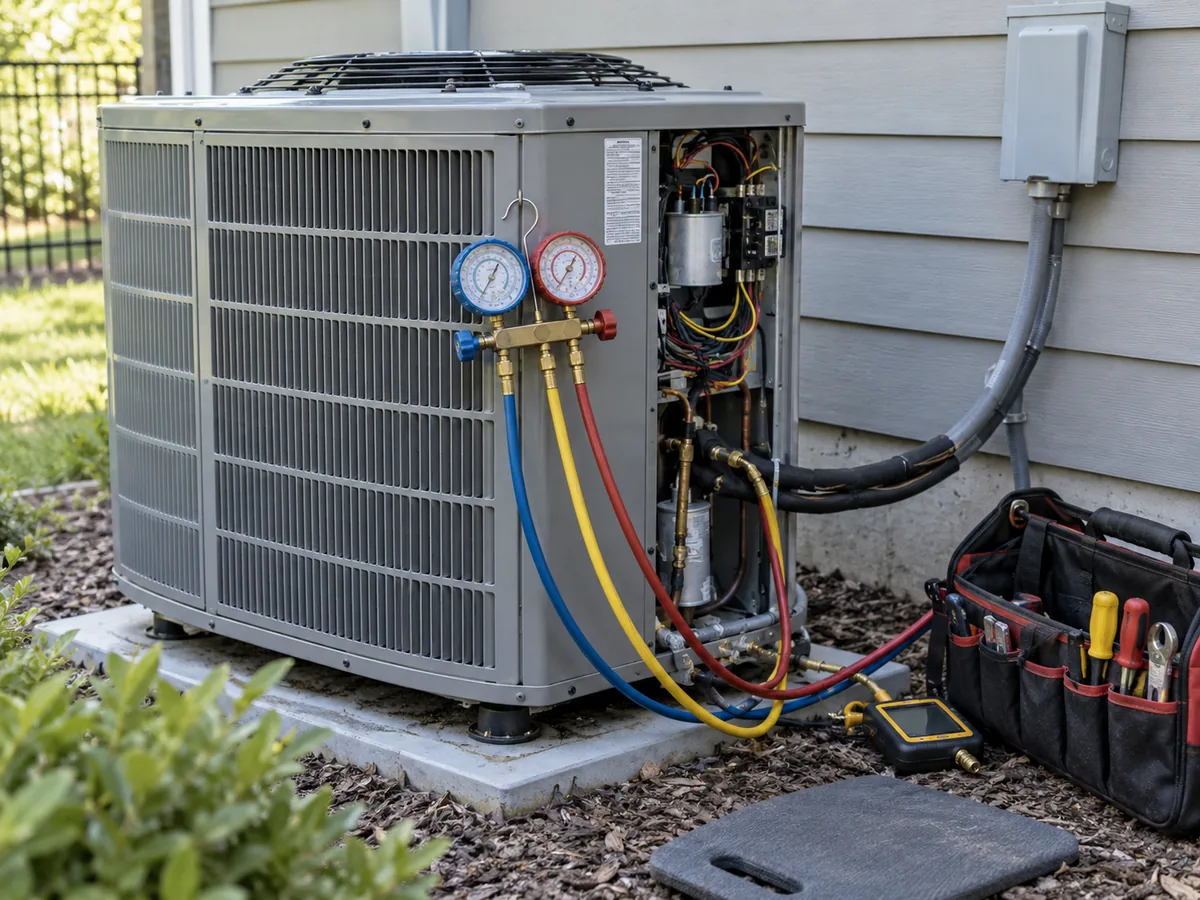
The brand is only the first label. The exact model tells us the compressor, controls, refrigerant, coil design, and warranty route. The approved indoor/outdoor combination tells us whether the published capacity and efficiency apply. Project conditions tell us whether that published performance fits the real design temperature and load. Installation and commissioning show whether the equipment was set up as the manufacturer intended.
ENERGY STAR warns that wrong sizing, poor airflow, and incorrect refrigerant charge can reduce comfort, efficiency, and equipment life. EPA technology-transition rules also matter because refrigerant platforms and service capability are changing. For projects where efficiency is a key target, our energy-efficient AC guide explains why the whole matched system matters.
Our order of checks
Exact model → approved system match → project conditions → installation → commissioning → warranty → local service. A strong answer at every step matters more than a famous logo by itself.
How We Check HVAC Complaints Before You Choose a System
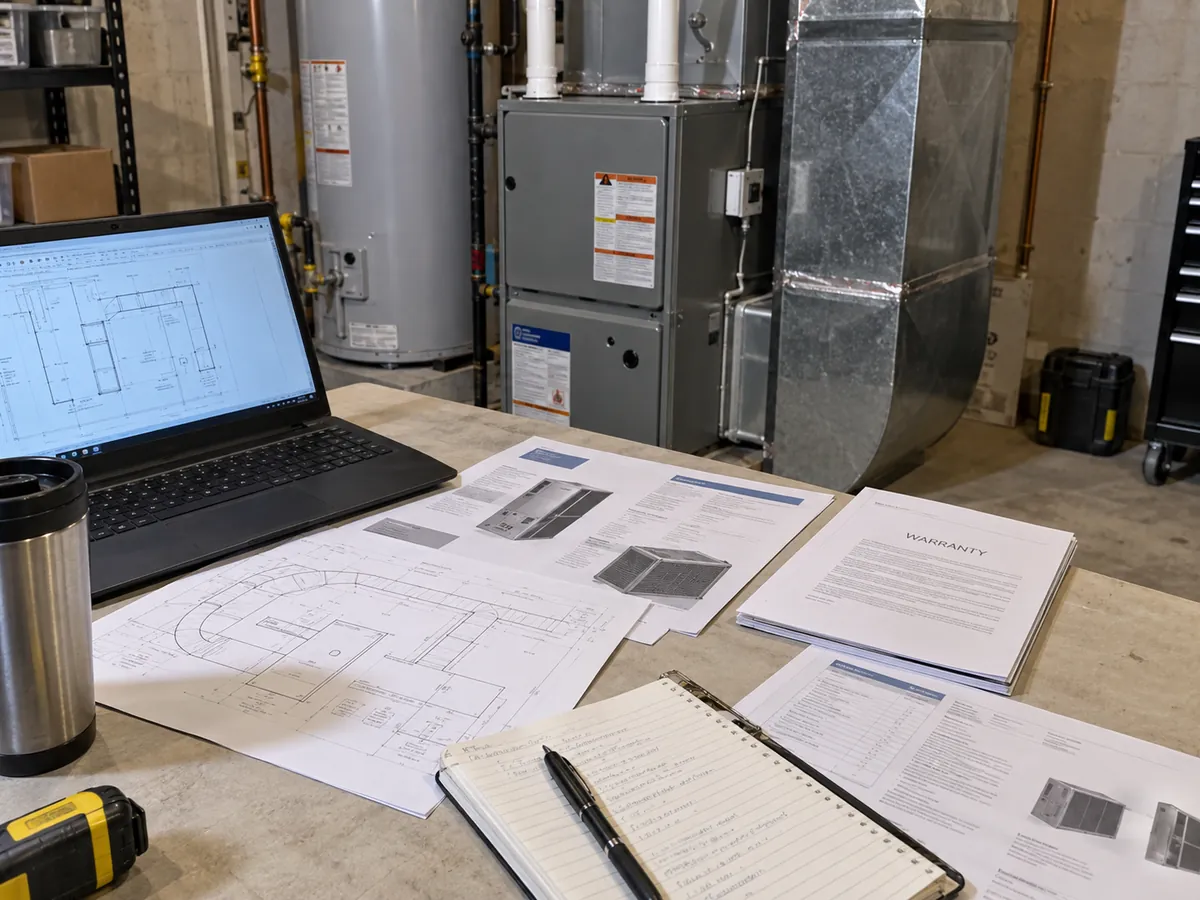
When a complaint reaches our review, we first separate the symptom from the cause. “Compressor failed” is a symptom. The cause could be a component defect, wrong refrigerant charge, poor airflow, voltage problems, contamination, repeated short cycling, or another issue. We then separate product evidence from installer, dealer, warranty, and service evidence.
| Evidence | What we use it for | What we do not assume |
|---|---|---|
| Consumer survey | Broad reliability or owner-satisfaction signal | A failure rate for every current model |
| CPSC recall | Model/serial-level safety issue and remedy | The whole brand is unsafe |
| Manufacturer warranty | Written coverage, registration, exclusions | Every repair cost is covered |
| Forum or review | Common pain points worth checking | A fair brand-wide failure rate |
| Commissioning/service record | What happened on the exact system | That the same cause applies to another project |
Daikin AC Complaints: What We Check
Public Daikin complaints include reports about parts, controls, coils, service delays, and warranty handling. These reports are useful because they show questions worth checking. They do not show a fair brand-wide failure rate without a known installed base and verified root causes. The same limit applies to BBB complaints for Daikin Comfort Manufacturing and Trustpilot reviews.
Daikin’s current warranty page shows that coverage depends on product and registration conditions. The U.S. CPSC has also published model-level recalls that include named Daikin, Goodman, and Amana equipment. We check the exact series, serial number, approved system match, warranty path, and local inverter/control service before we move a Daikin system forward. If you are comparing ductless options, our U.S. mini-split selection guide covers additional project inputs.
Model-level recall example
In 2024, the U.S. CPSC recalled about 56,000 Daikin FIT, Amana S-series, and Goodman SD heat pumps. A separate 2024 action covered about 12,100 named Amana, Daikin, and Goodman packaged units. Our rule: check the exact model and serial number. Do not turn a model-level recall into a claim about every product from the brand.
York Air Conditioners: What We Check
For York, we focus on the exact system and service route. YORK’s current warranty page shows why registration and product-specific terms matter. Before we keep a York system in a project, we require the indoor/outdoor model combination, the written warranty, any labor exclusions, and a practical local service path.
If the equipment specification looks acceptable but no qualified local service route can be confirmed, we move the project to another system. That is a service-risk decision, not a claim that every York unit is unreliable.
Goodman and Amana: What We Check
Goodman’s current warranty guidance shows that registration and exact product terms matter. Goodman and Amana also appear in the CPSC recall examples above, which is why model and serial verification must come before any broad brand conclusion.
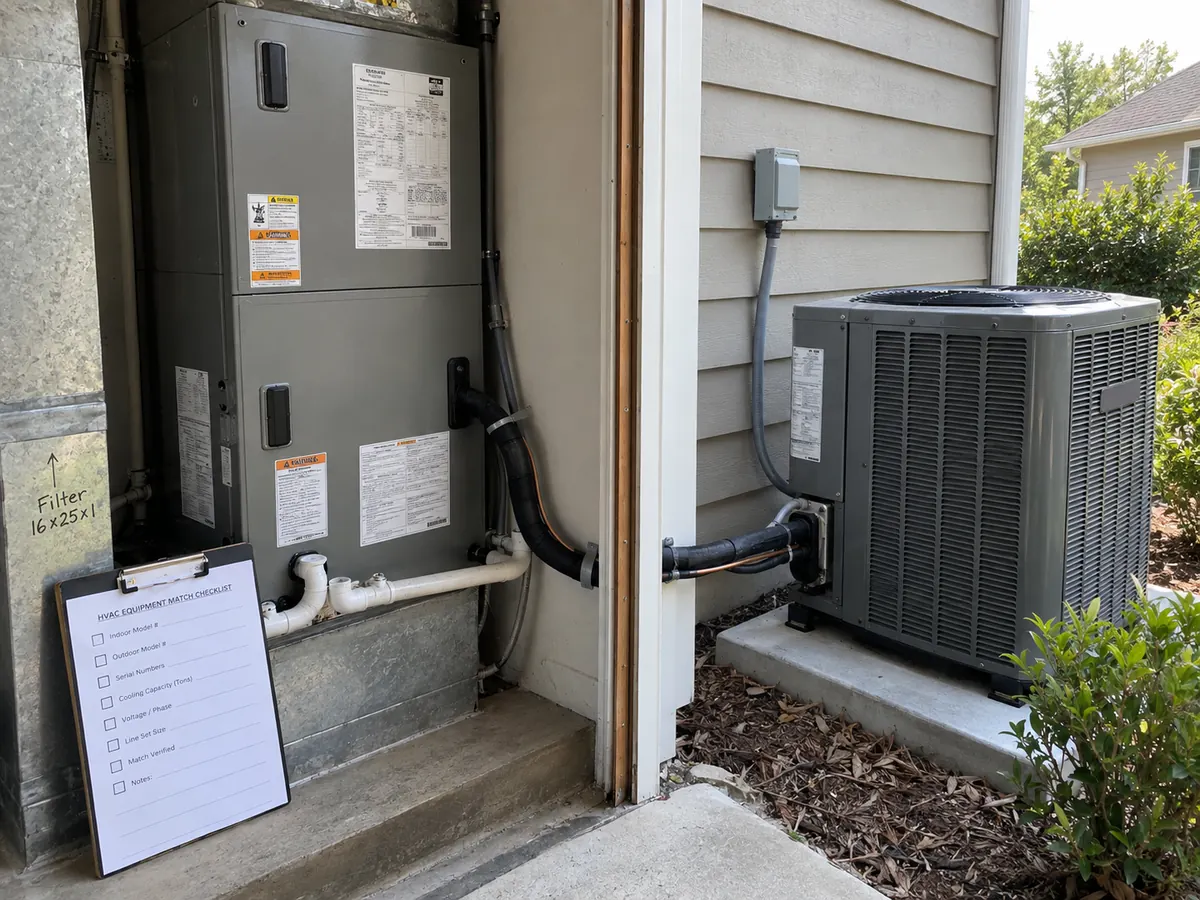
Before we keep a Goodman or Amana system under consideration, we check the approved indoor/outdoor match, installer responsibility, commissioning, warranty registration, labor, refrigerant, freight, and the local claim route. A lower equipment price does not make up for an unclear installation or after-sales path.
Carrier: What We Check
Carrier publishes product-specific warranty information. For example, the 26SPA6 product page lists warranty options that depend on registration and product conditions. That is why we do not accept a general statement such as “Carrier has a 10-year warranty” without the exact model and written terms.
We require the quoted indoor and outdoor models, the matched-system rating, the exact warranty option, registration responsibility, and the local service route. If those points are not clear in writing, we do not treat the brand name as enough reason to choose the system.
Trane: What We Check
Trane’s warranty guidance explains that registered limited warranties can extend coverage when equipment is registered within the stated period. Parts coverage does not automatically pay every labor, diagnosis, refrigerant, or service cost.
So we compare the possible service cost and downtime, not just the number of warranty years. If local labor, service capability, and critical-parts support cannot be estimated for the destination market, we keep that risk open before selection.
Lennox: What We Check
Lennox’s current warranty information shows that coverage can change by product series, registration choice, and location. A general brand-level warranty claim is not enough.
We record the exact model, basic warranty, registered option, labor coverage, transfer rules, and local service route. If brand-specific controls or parts are important to the project, we also ask for realistic lead times before we move forward.
What Consumer Reports Can—and Cannot—Tell You About HVAC Brands
The search phrase daikin reviews consumer reports can sound as if there is one public Daikin verdict. The public information is more limited. Consumer Reports says its central-air reliability analysis uses 13,306 member responses for central AC and ductless systems bought from 2009 through 2024. Its 2026 heat-pump reliability article says the heat-pump analysis uses 13,753 installed systems from 2009 through 2025 and covers 22 brands. Many exact brand results require membership.
We use CR as one survey signal. We do not use it to guess the cause of a specific failure, the performance of every current model, or the quality of a local installation. The exact system, recall status, warranty, service route, and project conditions still need to be checked.
What About Rheem, Ruud, Coleman and Luxaire?
Rheem, Ruud, Coleman, and Luxaire also appear in “brands to avoid” discussions. Search visibility does not prove a fair failure rate. Official sources show why exact product and registration checks matter. Rheem and Ruud publish warranty verification paths tied to product details. Current Coleman HVAC product information and Luxaire warranty information also show product-specific coverage and registration rules.
We apply the same checks: exact model, approved match, performance at project conditions, warranty, recall status, setup responsibility, local service, and parts support. If an important point is not public, we put it into the RFQ instead of guessing.
Is Brand Name AC For Less Legit? What We Check Before Buying
At the time of this review, Brand Name AC For Less is an active HVAC e-commerce site with product listings. It publishes contact information on its contact page and store rules on its terms-and-conditions page. That shows an operating storefront. It does not prove every inventory claim, manufacturer warranty path, or transaction outcome.
What we check before comparing the price
- Exact outdoor, indoor, coil/air-handler, and control model numbers.
- The AHRI match when an AHRI-certified combination applies.
- Manufacturer warranty eligibility for the seller and sales channel.
- Freight-damage, cancellation, return, and restocking terms.
- Who will install, evacuate, charge, commission, register, and service the equipment.
- Whether the contractor accepts customer-supplied equipment.
- Payment protection and records such as the quote, serial numbers, shipping photos, and commissioning report.
We use the same checks for any online HVAC retailer. A lower price can become expensive if the system match is wrong, freight damage is disputed, the installer will not accept the equipment, or the warranty does not apply.
Before We Blame the Brand, We Check What Caused the Problem
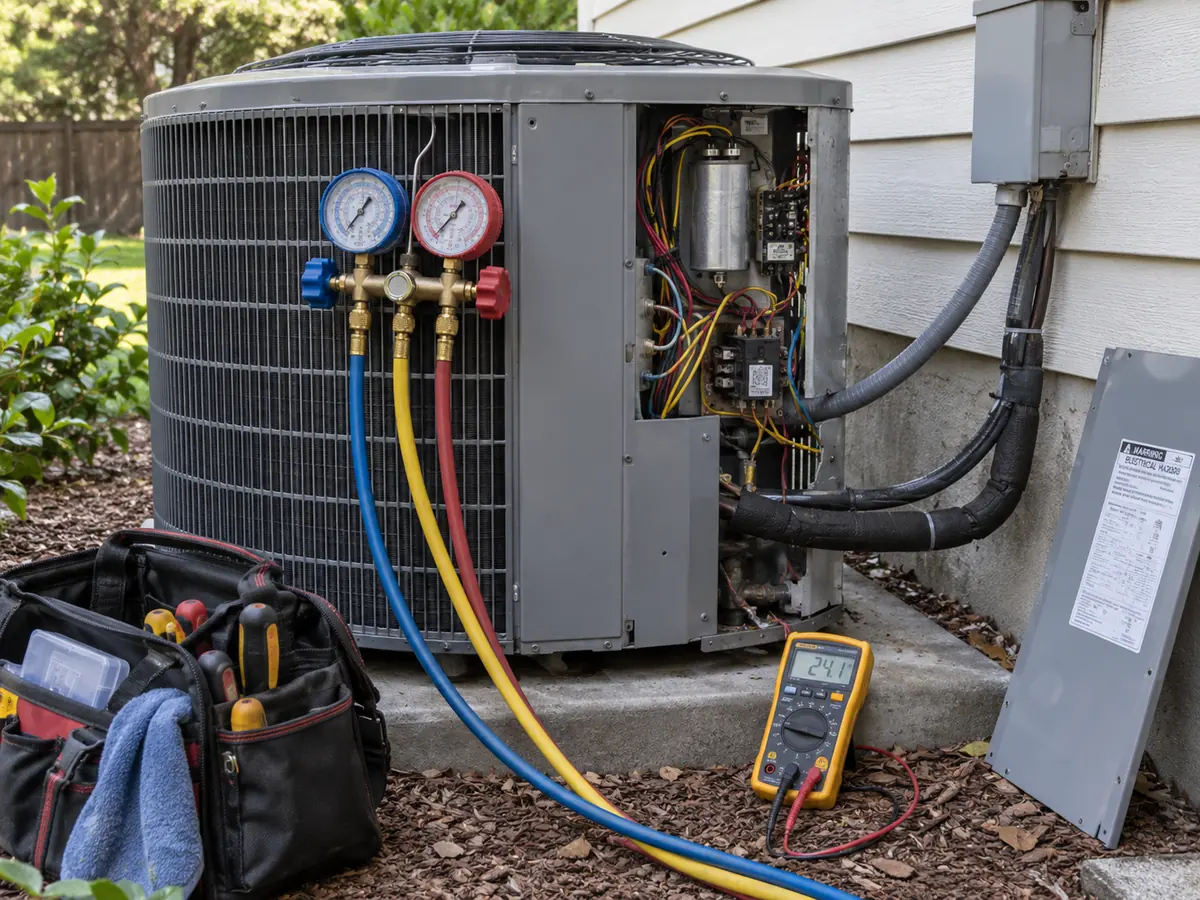
A good diagnosis starts with what happened and then asks what could have caused it. An oversized system can short cycle and remove less moisture. Low airflow can push coil temperatures and pressures away from the intended range. Wrong refrigerant charge can reduce capacity and increase stress. Duct leakage can make good equipment feel weak. Electrical or control errors can also look like compressor or inverter problems.
| Complaint symptom | Possible causes | Airproz check before blaming the brand |
|---|---|---|
| Short cycling / poor humidity | Oversizing, airflow, thermostat location, staging | Load basis, equipment size, airflow, and controls |
| Weak cooling | Charge, airflow, dirty coil/filter, duct leakage, low design-point capacity | Airflow, duct losses, design load, and refrigerant readings using the manufacturer procedure |
| Compressor or inverter failure | Component defect, voltage, charge, airflow, contamination, repeated cycling | Fault history, supply voltage, commissioning data, and model-specific bulletins or recalls |
| High repair bill under warranty | Parts-only coverage, labor/freight/refrigerant exclusions | Exact warranty certificate and written labor/service terms |
| Long downtime | Parts stock, service network, brand-specific controls | Local support and realistic lead times for critical parts |
For compressor and inverter questions, our HVAC compressor guide explains the main compressor types and why the control platform can change service needs.
What We Check When an HVAC Quote Reaches Airproz
This is where our first-party role matters. Before price becomes the main discussion, we ask for enough information to see whether the quoted system actually fits the job.
| Quote item | What Airproz checks |
|---|---|
| Capacity | Required load or target capacity at the real design condition, not only a nominal nameplate size |
| Indoor / outdoor combination | Approved match and any required AHRI record |
| Power | Voltage, phase, frequency, and important electrical limits |
| Refrigerant | Project requirement, market rules, and local service capability |
| Controls | Thermostat, wired controller, central control, or BMS needs |
| Certification | Destination-market requirement and product documents |
| Warranty / service | Registration, parts, labor, claim route, and major exclusions |
| Spare parts | Support path for critical controls, motors, compressors, sensors, and boards |
Five questions we ask before price
- Who can service this exact platform in the destination market?
- Which costs remain outside the warranty?
- How quickly can critical parts be supplied?
- Who is responsible for final commissioning?
- Is the quoted indoor/outdoor combination approved?
Already have a model list or supplier quote?
Send it with the project conditions. We can show which items are clear, which items still need proof, and what should be written into the RFQ. Send Airproz your current model list.
The Airproz Complaint-to-RFQ Check
We turn complaints into questions that can be checked. That keeps a real risk from being ignored, but it also stops one symptom from becoming an unsupported claim about the whole brand.

Example: repeated inverter-board failure
Complaint: an inverter board keeps failing. Possible causes: component issue, voltage, heat, moisture, wiring, installation, or control conditions. We check: exact model and revision, fault history, site voltage, installation environment, any service bulletin or recall, and replacement-part support. RFQ action: make the power conditions, control requirements, warranty responsibility, and spare-parts path clear before selection.
What to Send Airproz for an HVAC RFQ
We do not need every project detail on the first message. We need enough information to screen the system family and identify what still needs proof.
| Input | What to send |
|---|---|
| Application | Residential, commercial, hotel, office, light industrial, or other use |
| Destination | Country / market |
| Capacity | Design load, required capacity, or current engineering target |
| Outdoor condition | Heating/cooling design temperature and other important climate limits |
| Power | Voltage / phase / frequency |
| Refrigerant | Required or restricted refrigerant, if specified |
| Controls | Standard controller, thermostat, central control, or BMS |
| Installation limits | Space, noise, piping, duct, drainage, access, or other constraints |
| Certification | Destination-market requirement |
| Quantity | Expected unit count |
| Current models | Any quoted models or competitor list you already have |
Move from brand research to a project check
Send these details to Airproz. We can narrow the suitable AC or heat-pump family, show which technical risks are still open, and identify what must be verified before exact-model selection. Discuss your HVAC project with Airproz or view Airproz air-conditioner systems.
FAQ
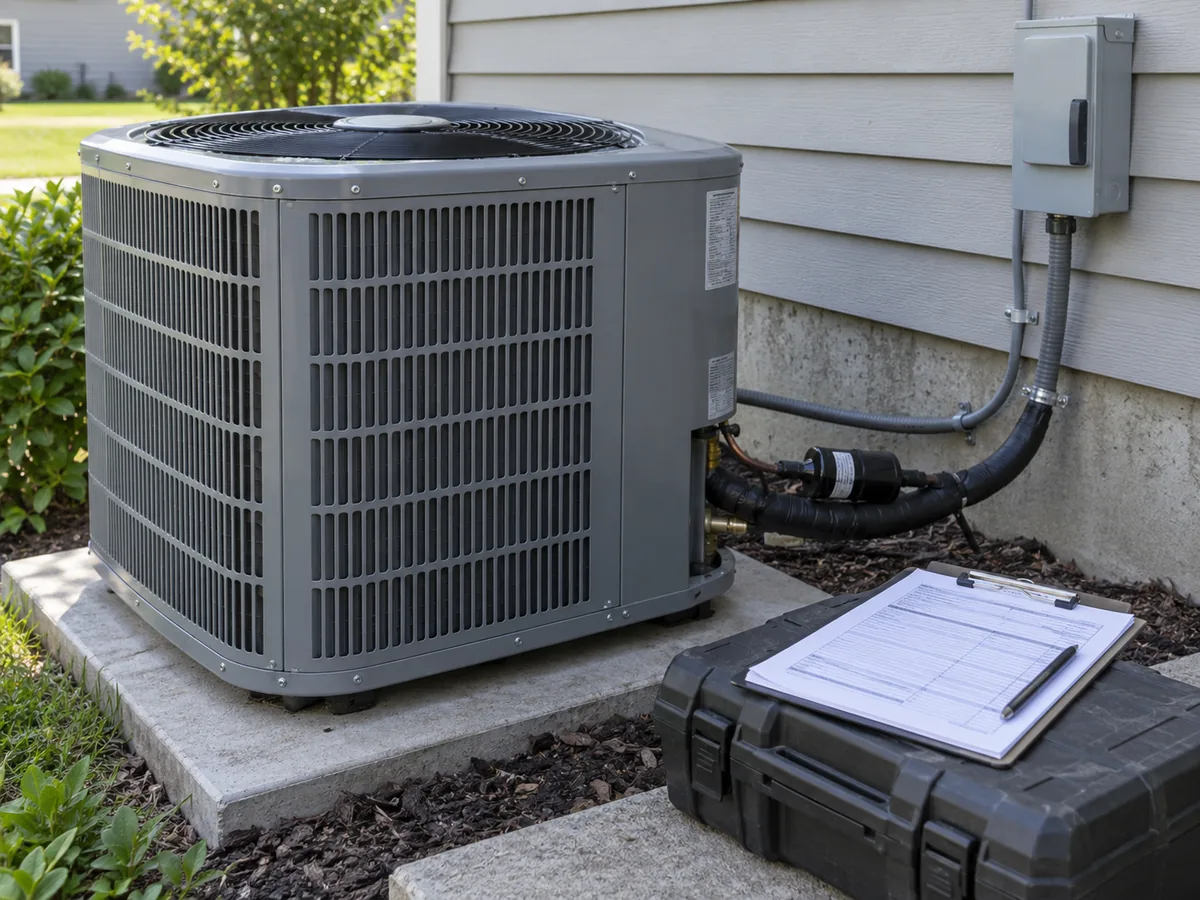
What air conditioner brands should I avoid?
At Airproz, we do not use one universal brand blacklist. We rule out an exact system when the sizing basis, indoor/outdoor match, recall status, commissioning, warranty, local service, or parts support cannot be confirmed. Those checks tell us more than raw complaint counts.
Is Daikin a bad AC brand?
We do not reject Daikin just because of the logo. Public complaints show real owner problems, but they do not provide a fair brand-wide failure rate. We check the exact series, approved system match, local inverter/control service, warranty, and recall status before we move a Daikin system forward.
What does Consumer Reports say about Daikin?
Consumer Reports publishes survey methods and sample sizes for central AC, heat pumps, and mini-splits, but many exact brand results require membership. We use CR as one survey signal and do not invent a public Daikin ranking that the accessible evidence does not show.
Is York a bad air conditioner?
A York logo alone is not enough for us to accept or reject a system. We check the exact model, approved match, local service support, written warranty, and claim route. If a practical service path cannot be confirmed, we move to another system.
Are Goodman air conditioners bad?
Frequent forum discussions are not proof of a higher Goodman failure rate. We check the approved match, installation plan, commissioning, recall status, warranty registration, and local service route before deciding whether a Goodman or Amana system fits the project.
Which matters more: AC brand or installation?
Both matter. The brand and model set the equipment design, controls, warranty, and parts route. Installation and commissioning decide whether that equipment starts and runs under the intended conditions. A strong brand cannot fix an unmatched or poorly set-up system.
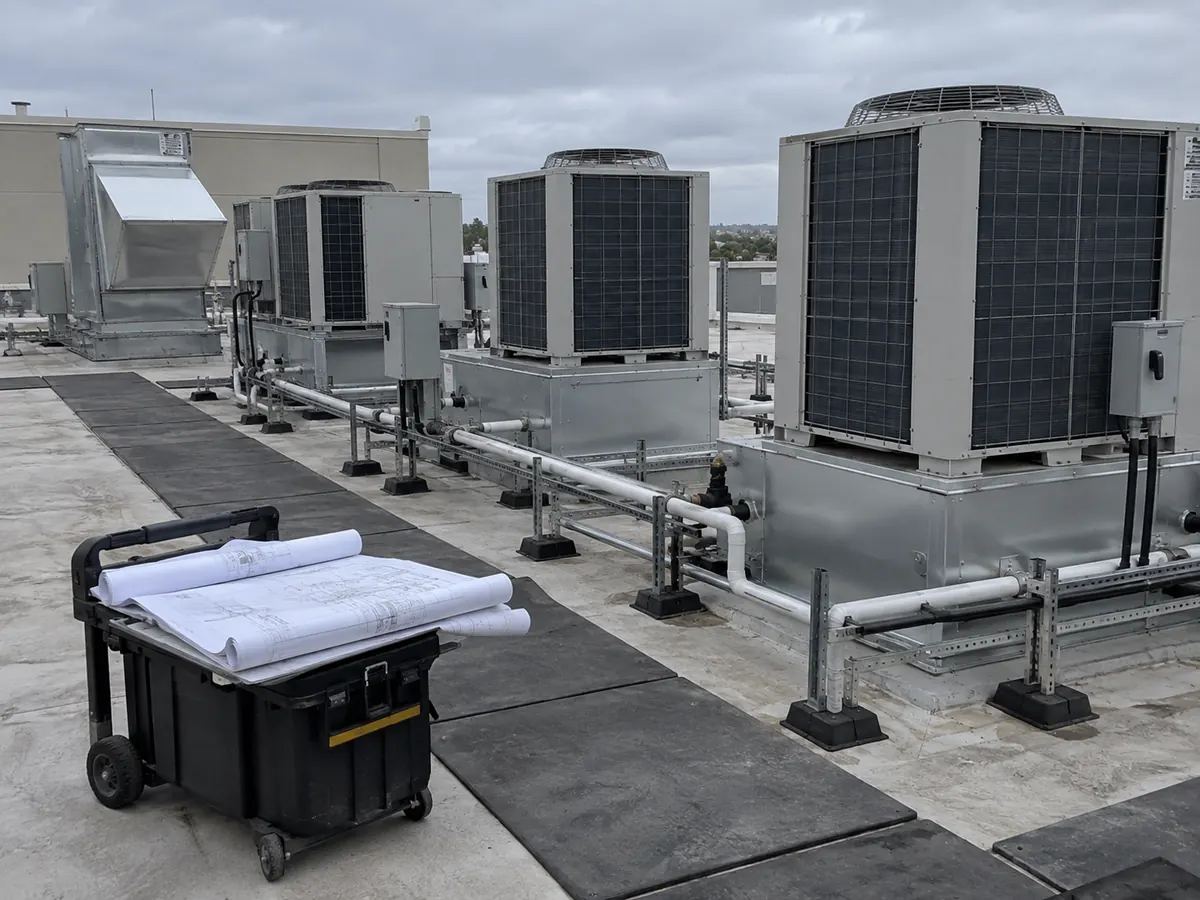
Is Brand Name AC For Less legit?
The site is currently active and publishes product listings, contact details, and store terms. That does not prove every inventory claim, warranty path, or transaction. Before buying, we would check exact models, the AHRI match when it applies, manufacturer warranty eligibility, shipping and return terms, installer acceptance, and payment protection.
Does a long HVAC warranty mean lower ownership risk?
Not by itself. A long parts warranty may still exclude labor, diagnosis, refrigerant, freight, or other costs. We compare the exact written warranty with the local service and parts route before treating warranty length as a major advantage.
Should I avoid a brand because it has a recall?
Not automatically. A recall usually applies to specific models or serial-number ranges and gives a specific fix. We check whether the quoted equipment is affected and whether the fix is complete. An unresolved recall can rule out that exact system, but it does not prove the whole brand is unsafe.
Ready to compare a system?
Send Airproz the destination market, operating conditions, power supply, refrigerant limits, installation constraints, and current model list. We will use those details to screen the product family and show what still needs to be verified before the RFQ. Discuss your HVAC project.