Air conditioning duct cleaning is worth doing when ducts contain heavy dust that enters rooms, pest contamination, or substantial mold on hard surfaces. You do not need routine whole-house cleaning just because the vent covers look dusty. Start with an inspection, clean accessible grilles yourself, and use professional equipment for contamination deeper inside the system.
The best choice depends on what is inside the ducts, whether the material is metal or insulated, and whether water is entering the system. Below are the cleaning steps, mold decisions, 2026 U.S. price references and checks that show whether the job is complete.
When Do Air Conditioning Ducts Need Cleaning?
Clean air conditioning ducts when an inspection finds substantial mold on hard duct surfaces, pest contamination, or heavy dust and debris that is being released through the supply vents. A little dust on the outside of a grille is different from contamination deep inside a duct.
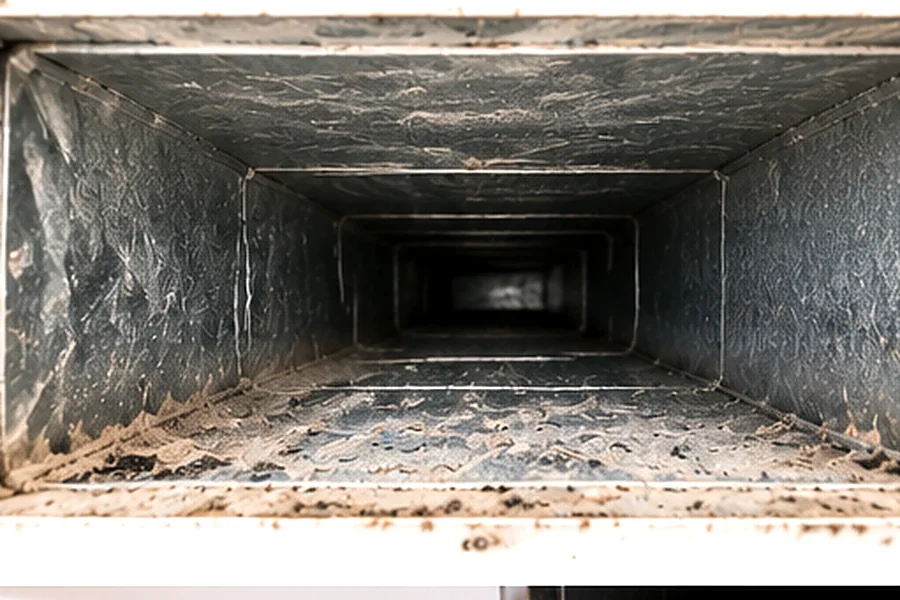
The U.S. Environmental Protection Agency (EPA) recommends duct cleaning when needed, rather than on a fixed calendar. Inspect the supply and return ducts first. If you find significant debris or contamination, arrange cleaning for the affected air paths. If they are clean, maintain the filter and check the indoor equipment for the symptoms you are seeing.
| What you find | Best next step | Why |
|---|---|---|
| Light dust on a return grille | Clean the grille and check the filter first | Dust on a visible cover alone does not show deep duct contamination |
| Thick debris inside ducts or dust blowing from supply vents | Inspect the supply and return runs; arrange professional cleaning if buildup is confirmed | Loose material may travel into occupied rooms |
| Rodent or insect activity inside ducts | Address the infestation and entry points, then remove contaminated material | Cleaning without fixing access allows the problem to return |
| Suspected substantial mold growth | Find the moisture source and identify affected material before choosing cleaning or replacement | Wet porous lining needs a different remedy from bare metal |
| Musty smell, weak airflow, or high energy bills with no visible contamination | Inspect the filter, coil, drain, blower and duct leakage before ordering duct cleaning | These symptoms have several possible causes |
After a renovation, check for construction dust that entered unprotected vents, particularly before running the system again. If the ducts were protected and inspection shows they are clean, continue routine filter and vent maintenance instead of scheduling whole-system duct cleaning.
What Does Air Conditioning Duct Cleaning Include?
A complete cleaning job covers the contaminated supply and return air paths and the other HVAC components included in the agreed scope. Cleaning only the visible vent covers does not reach the inside of the duct network.
Supply ducts, return ducts, and vent covers
The return air vent pulls room air back to the indoor equipment, usually through a filter. The supply ducts carry conditioned air to the supply registers in the rooms. Both sides can collect debris. A grille is the cover you can see; the duct is the channel behind it.
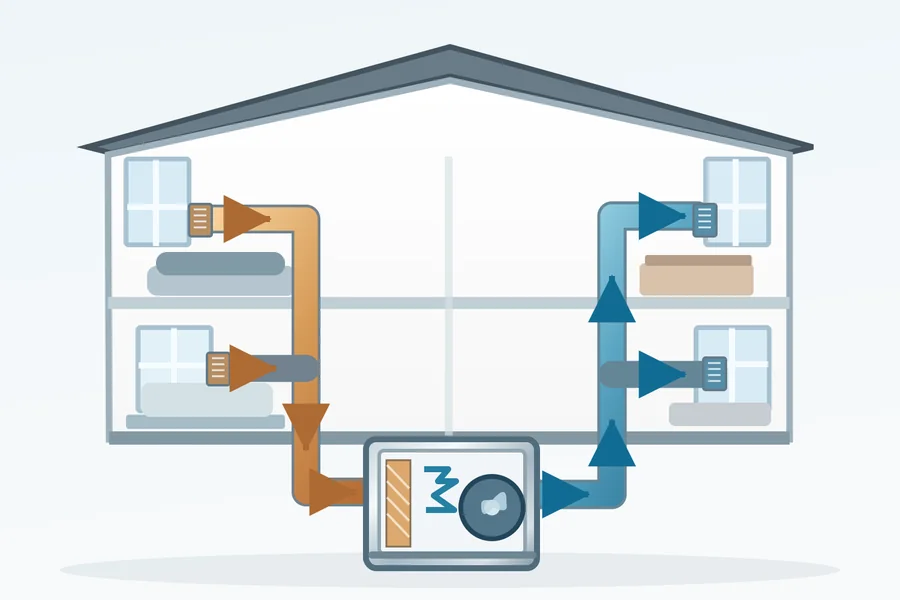
Ask the cleaner to identify each main trunk, branch, supply outlet and return opening. The number and accessibility of these paths affect the cleaning method and quote. If the building has separate fresh-air or exhaust ducts, identify those air paths and confirm whether they are included in the job or need their own cleaning service.
Air handler, coil, blower, and drain pan
The indoor blower moves air through the system. The cooling coil removes heat, and its condensate pan carries away water. Dust on the blower or a blocked drain may need a different service procedure than dry dust in metal ducts. For the equipment layout, see our guide to AC air handlers.
NADCA’s cleaning guidance lists ducts, grilles, plenums, coils, drain pans and blower assemblies as relevant system components. A written quote should say which will be inspected and which will actually be cleaned; refrigerant-system repair and duct sealing are separate tasks.
How Can You Clean Air Conditioner Vents Yourself?
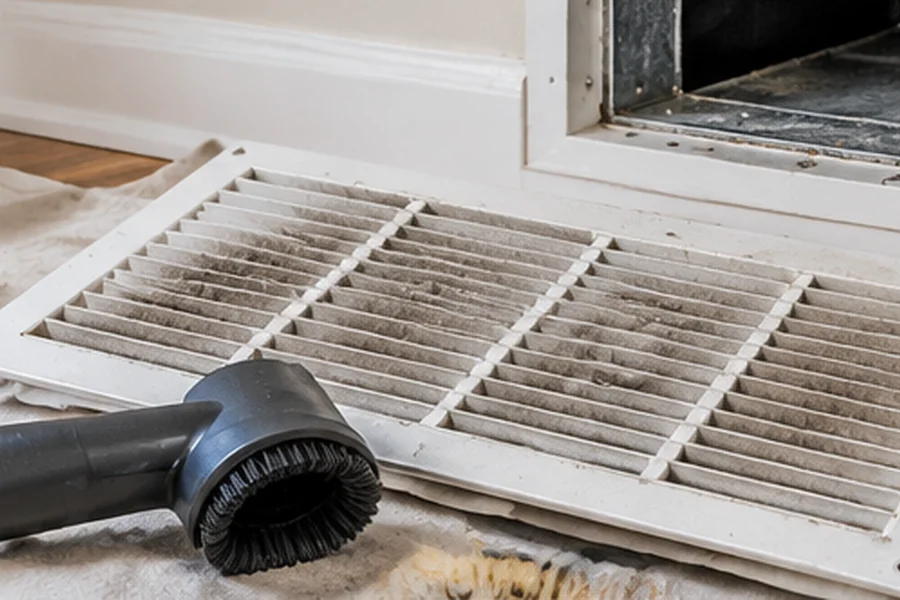
You can safely clean accessible vent covers and the nearby duct opening, but a household vacuum cannot perform full-length air duct cleaning. The useful DIY job is surface maintenance, not forcing tools deep into concealed ducts.
- Stop the fan and cooling system at the normal controls before working on a removable grille. Follow the equipment instructions for filter access.
- Photograph or note the grille position so you reinstall it correctly, especially if the louvers direct air.
- Vacuum surface dust with a brush attachment. Remove the grille only when it is designed for homeowner access and has no electrical or powered parts attached.
- Wash a plain removable metal or plastic grille with mild soapy water when its finish and instructions allow it. Dry it fully before reinstalling it.
- Vacuum loose debris just inside the accessible opening without scraping duct liner, stretching flexible duct or pushing dirt farther in.
- Check the filter and refit the cover securely. Restore the system and confirm that the grille is seated and air flows normally.
Do not insert a long rotating brush, hose or chemical spray into an unknown duct. An insulated liner can tear, a flexible duct can collapse, and moisture can remain trapped. Do not open the air-handler electrical cabinet or clean coils with household chemicals. If you find wet insulation, pest debris, suspected mold or materials that might contain asbestos, stop disturbing them and arrange the correct inspection.
Dust can collect on a return grille as room air passes through it. Vacuum the grille and accessible opening, then check that the filter fits correctly. If you also find substantial debris inside the duct, arrange a closer inspection.
How Is Professional Air Duct Cleaning Done?
A professional cleaner first inspects the system, loosens contaminants inside the ducts, and collects them under controlled negative pressure. The vacuum keeps disturbed debris moving toward a collection device instead of back into the rooms.
- Inspect and define the work. Locate supply and return runs, the indoor unit, accessible contamination, duct material and any water damage. Identify special materials before disturbing them.
- Protect the building and isolate sections. Cover furniture and openings as needed; connect a collection system and establish negative pressure in the part being cleaned.
- Agitate and capture debris. Use tools suited to rigid metal, flexible duct or fiberglass-lined sections while the vacuum runs. Strong brushes that are fine for metal may damage other materials.
- Clean the agreed HVAC components. Address accessible plenums, registers and relevant blower/coil/drain components using their proper service procedures.
- Close and verify. Seal any new access openings, reinstall components, check for visible debris and confirm that the system operates as expected.
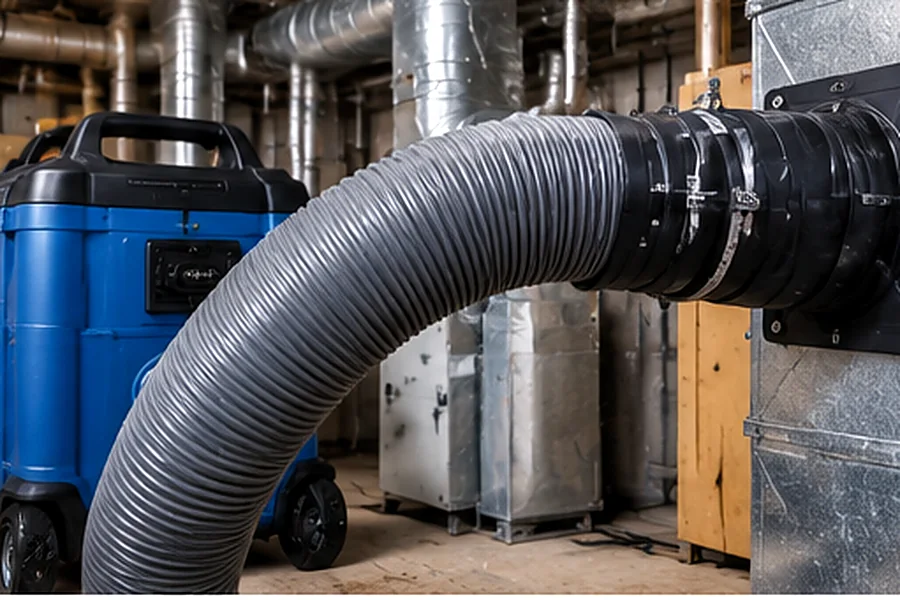
NADCA describes this as source removal: loosen material and collect it with a vacuum. Indoor-exhausting equipment should use HEPA filtration, meaning a high-efficiency filter that captures very small particles. The cleaner should also explain how any access opening will be sealed after the work.
For a larger building, agree on the cleaning zones, occupied hours, access panels and shutdown sequence before the job. The same basic removal principle applies, but work and containment may need to be staged to keep occupied areas protected.
How Should Mold in Air Conditioner Ducts Be Handled?
For suspected mold, fix the moisture problem first. Mold on accessible bare sheet-metal ducts may be cleaned with the right method, but wet or moldy fiberglass duct lining generally needs replacement. Spraying a chemical into the duct without removing contamination or controlling moisture will not resolve the cause.
Find the water source before cleaning
Look for a blocked condensate drain, standing water in the indoor pan, leaking duct joints in humid spaces, cold ducts with failed insulation, or a previous water leak. The indoor cooling coil normally produces condensation; the drain is meant to carry that water away. Water on duct lining or inside the supply path points to a problem that needs correcting.
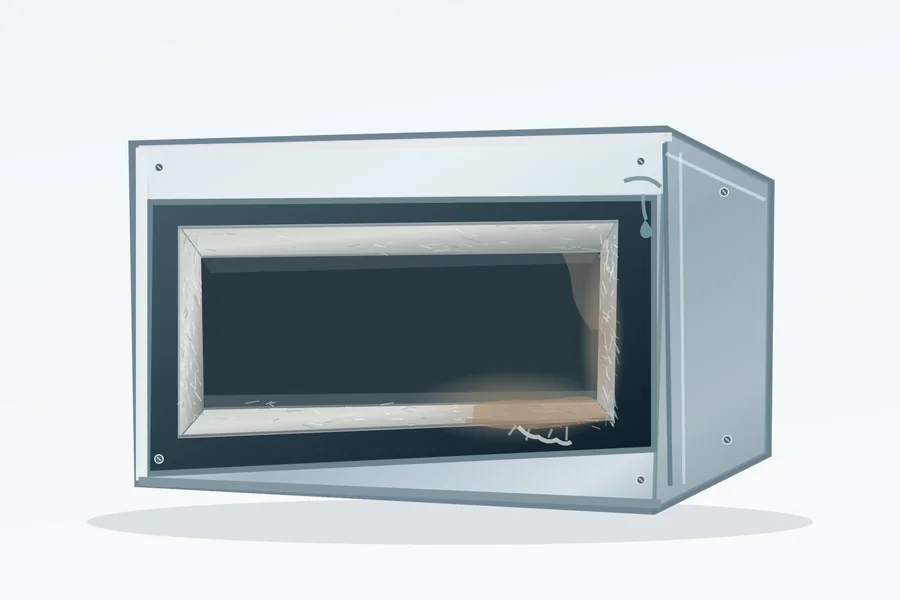
If you see a suspicious patch, note its location and look for nearby leaks or condensation without scraping or brushing the material. Ask a qualified professional to identify an uncertain deposit before choosing cleaning or replacement. The EPA’s duct-and-mold guidance distinguishes hard surfaces from contaminated insulation.
Choose cleaning or replacement by material
| Affected material | Practical approach |
|---|---|
| Bare sheet-metal duct | Correct moisture, assess contamination, mechanically remove it with proper containment and inspect afterward |
| Wet or moldy fiberglass liner or fiberglass duct board | Remove and replace affected porous material; cleaning alone is not an effective remedy |
| Flexible duct with wet or damaged lining | Inspect construction and damage; replacement may be more practical than aggressive cleaning |
| Indoor coil, pan or drain | Repair the drainage or condensation problem and service each component using its approved method |
Do not use fogging, bleach, ozone or general-purpose deodorizer treatments inside ducts. First correct the moisture source and identify whether the affected surface is bare metal or porous lining. Clean suitable bare metal surfaces using an appropriate removal method; replace wet or moldy fiberglass lining. Only consider a chemical product when its label explicitly allows that HVAC surface and use, and follow the label directions. For a larger affected area, arrange professional containment and removal before the material is disturbed.
How Much Does Air Conditioner Duct Cleaning Cost in 2026?
For U.S. residential projects, published 2026 price guides give different ranges: Angi reports $271–$509 for many projects, while HomeGuide lists $450–$1,000 for whole-house duct cleaning. The guides cover different job scopes. Compare quotes by the number of HVAC systems, the supply and return ducts included, equipment cleaning and any extra services.
| 2026 published reference | Reported amount (USD) | What it represents |
|---|---|---|
| Angi, updated October 9, 2026 | $271–$509; around $389 average | U.S. project data; total changes with home, vents, access and optional services |
| HomeGuide, 2026 cost guide | $450–$1,000 | Whole-house air duct cleaning reference |
Your price can rise with more systems, a long or hard-to-reach duct network, fragile duct material, heavy debris or extra labor. Camera inspection, coil cleaning, duct repair, pest control, mold remediation and dryer vent cleaning are not automatically part of a basic package.
Compare quotes on the same scope
Before comparing two numbers, count the systems, supply vents and return vents, and ask each provider to list the main trunks, branches, equipment components and inspection work included. For example, a quote that covers only twelve visible grilles is not the same job as one that cleans twelve branch ducts, two returns, the main trunks and the indoor equipment.
Ask for a written total, any per-vent or per-system charges, travel or access fees, the method used to collect debris, and which extras need separate approval. This makes a low opening price easier to evaluate before work starts.
Does Cleaning Air Ducts Improve AC Performance or Air Quality?
Removing confirmed heavy debris can solve a contamination problem, but cleaning ducts alone is not a reliable fix for poor cooling, high electricity bills or allergy symptoms. The next step depends on what is actually wrong with the HVAC system.
Duct cleaning removes debris from air passages. When debris blocks a duct, removing that blockage can restore airflow through the affected path. Dirty coils and blower parts need their own cleaning or repair. The EPA has not found consistent evidence that routine duct cleaning improves HVAC energy efficiency or prevents health problems.
If weak airflow is accompanied by visible ice on the indoor coil, stop cooling. Our AC freeze-up troubleshooting guide explains safe next steps and when a technician should check the system.
If one room receives little air, check for a closed damper, crushed flexible branch, disconnected duct, dirty filter, blocked coil or blower problem. Duct cleaning does not repair a leak or restore a crushed branch. Our AC not cooling guide shows how to sort symptoms before changing equipment.
A musty smell may come from the indoor coil, drain pan, damp insulation or another indoor source. Have those areas inspected and correct the moisture problem where found. If debris blocks a particular duct branch, remove it and recheck airflow at the affected outlet.
How Often Should Central AC and Heat Pump Ducts Be Cleaned?
There is no EPA-recommended fixed cleaning interval for central AC ducts or ducted heat pump ducts. Inspect when there is a reason, and clean when contamination is found.
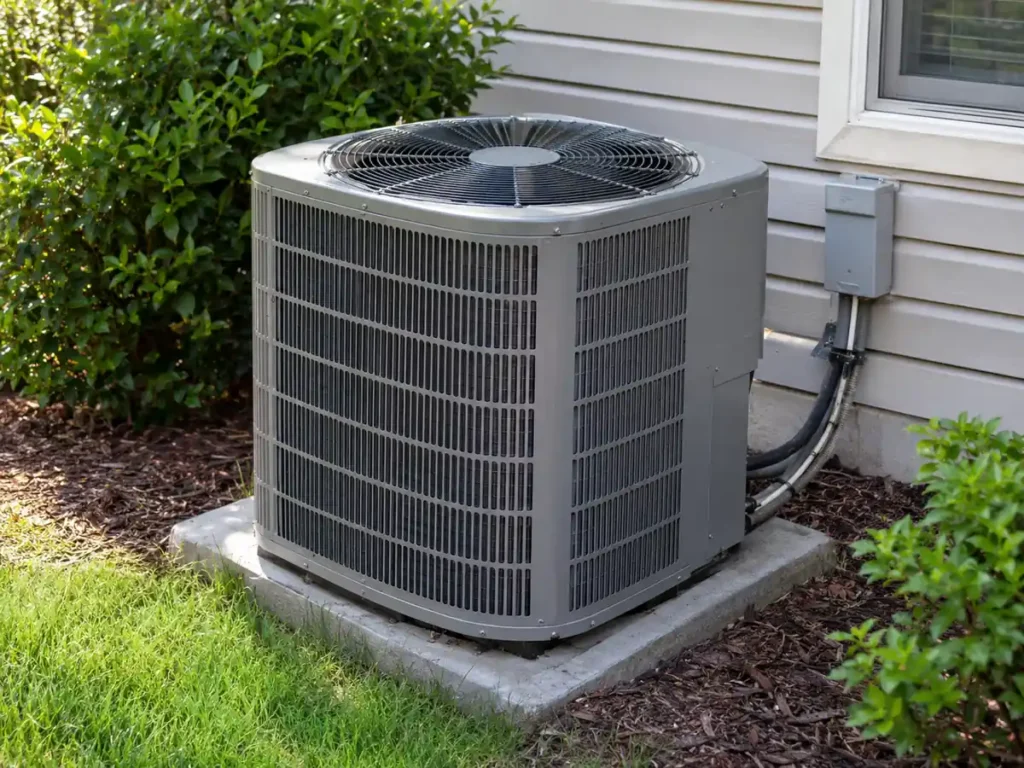
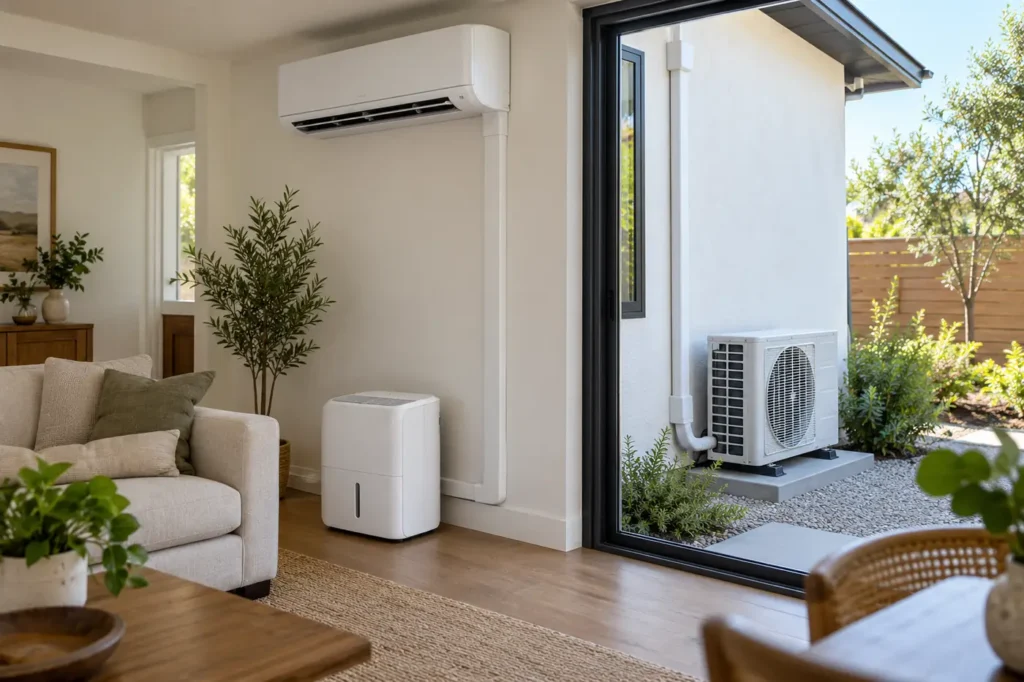
A ducted heat pump uses supply and return ducts much like a central air conditioner; its ducts do not need a separate cleaning schedule just because the same equipment heats in winter. Ductless mini splits usually have no whole-house duct network. Their filters, indoor coils, blowers and drain paths need their own maintenance instead. Our mini split air conditioner guide explains how those systems deliver air directly to rooms and which indoor components still need attention.
Check sooner after an infestation, water leak, major dusty renovation or evidence of debris coming from outlets. Between inspections, keep filters properly installed and changed according to equipment and use, avoid letting construction dust enter vents, and maintain the indoor coil and condensate drain. A clear duct stays cleaner when the source of moisture and dirt is controlled.
How Do You Choose and Check a Duct Cleaning Contractor?
Choose a contractor who can show the contamination, explain the work on both supply and return sides, contain the dust and show the cleaned surfaces afterward. Compare written quotes that identify the ducts, HVAC components, cleaning method and extra charges included in the job.
- Ask what needs cleaning. Request inspection photos or direct access to the claimed problem. Get the duct type and number of systems in writing.
- Ask how debris is captured. The cleaner should describe suitable agitation and continuous vacuum collection, with HEPA filtration where equipment exhausts indoors.
- Check qualifications and insurance. Ask about applicable local licensing, contractor training and whether the work follows NADCA cleaning methods.
- Get an itemized price. Separate inspection, routine system cleaning, damaged duct repair, mold or pest work and optional chemical treatment.
- Agree on completion evidence. Request inspection of multiple supply and return locations, equipment surfaces and all access-port seals.
What should you check after cleaning?
Visible contamination should be removed from the areas covered by the job, and access holes should be airtight and properly closed. Ask to see inside representative supply and return ducts, not only the dust collected in a vacuum bag. Confirm that the grilles are fitted, the filter is seated, the condensate pan drains normally and the system operates without new rattles or leaks.
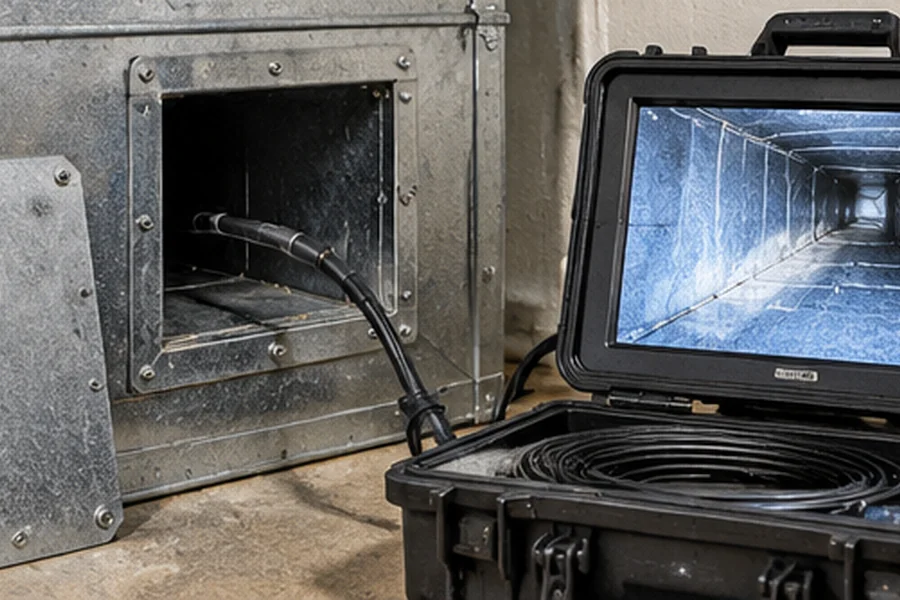
The EPA’s post-cleaning consumer checklist includes coil, blower, plenum and duct-surface checks. If an agreed area still has visible debris, ask the contractor to correct that area and show the result before closing the job.
What Is the Best Next Step for Your Air Conditioning System?
Start with the evidence: inspect your vents, filter, accessible duct interiors and indoor equipment before ordering air conditioning duct cleaning. Clean reachable grilles yourself; use professional source removal when a real duct contamination problem is confirmed. Mold and water damage require a moisture repair and sometimes duct-material replacement first.
If airflow is weak or cooling is uneven, check the filter, dampers, duct branches, blower and coil to locate the cause. Clear debris where it blocks an air path; repair duct leaks, crushed branches or equipment faults as separate problems. For a new or replacement HVAC project, the airflow design, return path, filter access and coil drainage matter as much as keeping the ducts clean. If the old ducts cannot be repaired for the required airflow, compare different AC system types before deciding whether to keep a ducted layout.
If equipment replacement is planned, use our air conditioner sizing guide to compare the building’s cooling load with the needed capacity. The old unit’s nameplate alone is not a sizing method.
If a renovation replaces the ducted layout with separate room units, our R32 inverter split air conditioner is one ductless product example. It does not connect to the old central duct network. Check each room’s load, the electrical supply, installation conditions and destination-market requirements before selecting a model.
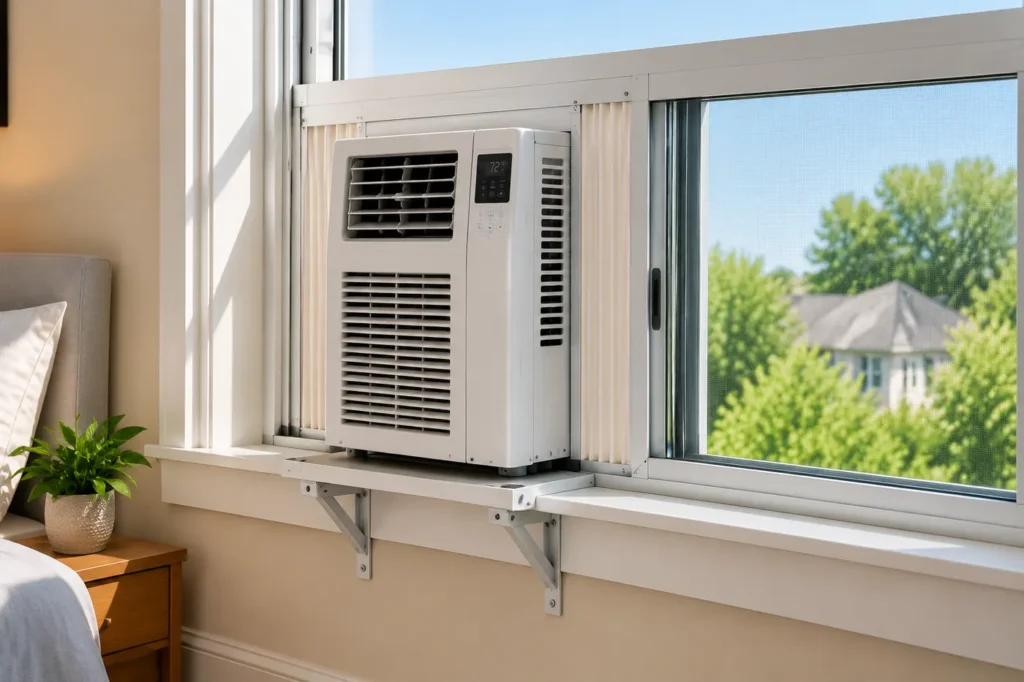
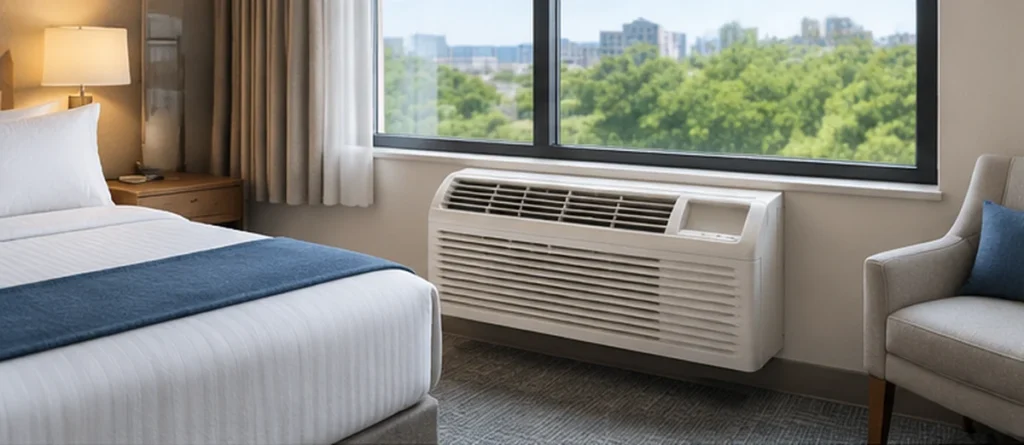
If you are considering individual room AC units, you can review our air conditioner range and send us the building load, existing duct layout and installation requirements to discuss the suitable system family for a broader HVAC replacement project.
Frequently Asked Questions About Duct Cleaning
Can I clean an air conditioner return air vent myself?
Yes. Stop the fan, vacuum the return grille and nearby accessible opening, and check that the filter is correctly fitted. Do not push tools into insulated ducts or open electrical equipment.
Is black dust around an AC vent always mold?
No. Dust can collect where air moves around a grille. If you see substantial suspicious growth inside the duct or find moisture damage, arrange an inspection before disturbing the material.
Should a ducted heat pump be cleaned differently from central AC?
The supply and return duct cleaning approach is similar. The contractor must also follow the service requirements of the specific heat pump air handler, coil and drain system.
Can I spray bleach or a mold killer inside air conditioning ducts?
Do not spray household bleach or fogging products into ducts. Find the water source and identify the material first. Wet or moldy fiberglass lining needs replacement; treatments for bare metal are subject to specific product labels and proper cleaning.
Does cleaning supply vents fix weak airflow in one room?
Only when the restriction is debris in that air path. A closed damper, crushed duct, leak, dirty filter or blower problem needs a different repair. Compare the affected room with other outlets before deciding.
Is dryer vent cleaning included in AC duct cleaning?
Usually it is a separate service. The dryer exhaust duct carries lint outdoors and is not part of the central AC supply-and-return duct network. Ask for separate line items in the quote.
What if the contractor finds suspected asbestos during duct cleaning?
Stop work that could disturb the material. Have it assessed and handled by suitably trained specialists before normal duct cleaning continues; do not brush or vacuum suspected asbestos insulation.