If your air conditioner smells musty, moisture and dirt on the cooling coil, drain pan, filter, or nearby ductwork are common causes. Check the accessible filter and signs of water first. If the odor keeps returning, fix the damp source and have the coil and condensate drain inspected. The smell can resemble mildew, but an odor alone does not prove mold is present.
This guide explains how to tell a brief startup smell from a persistent problem, what you can safely check, when to stop using the unit, and how to prevent the odor in central ACs, window units, portable ACs, and heat pumps.
Why Does an Air Conditioner Smell Musty?
A musty AC smell usually means moisture has stayed on a surface long enough for dust, dirt, or microbes to build up. Common places include the cooling coil, condensate pan, air filter, and damp insulation. A wet wall or room near a return-air grille (the opening that pulls room air back into the system) can create a similar smell, even when the AC itself is clean.
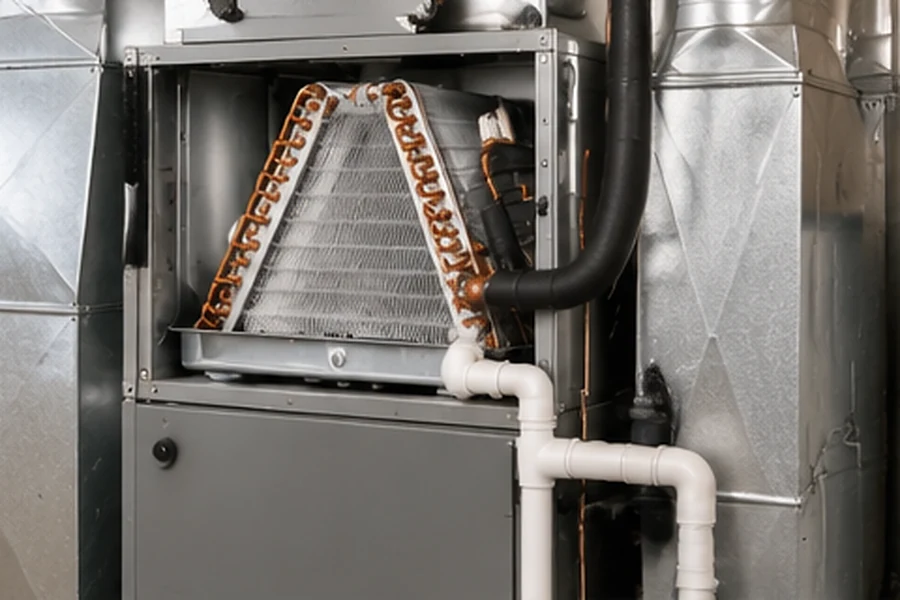
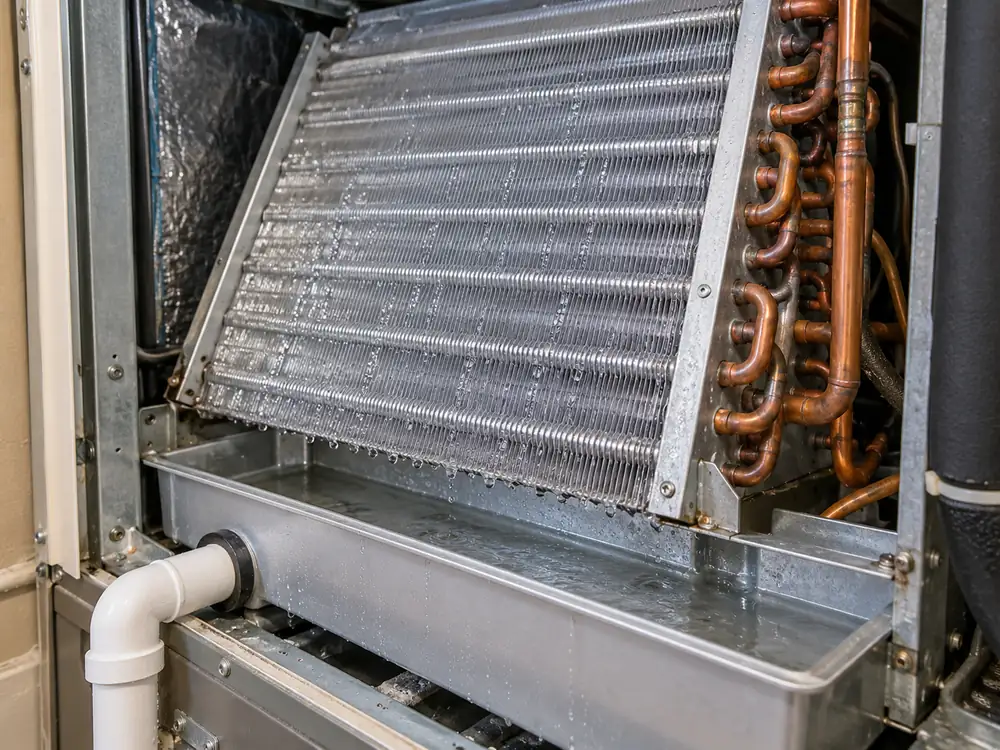
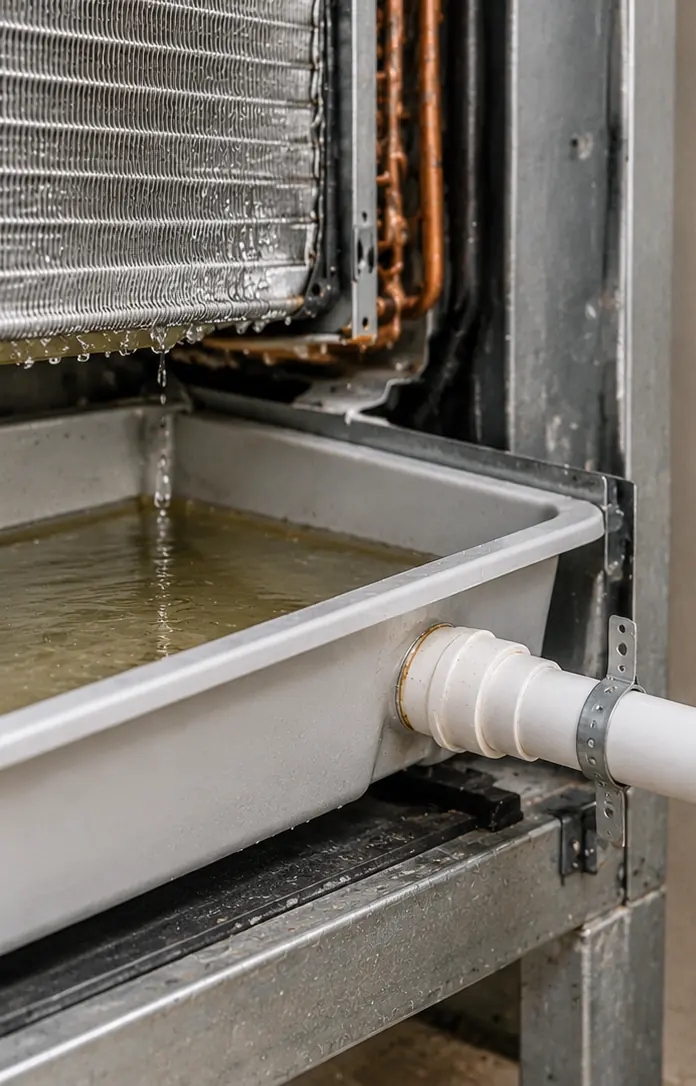
An air conditioner cools air by passing it over a cold evaporator coil. Water from humid indoor air collects on the coil and should leave through a drain pan and line. If the coil stays dirty, the pan holds standing water, or the drain becomes blocked, damp material can keep producing an odor.
The most likely sources of a mildew-like odor
- Dirty evaporator coil: Dust and organic material collect on a surface that often gets wet during cooling. This is a common place to investigate when the smell follows the AC cycle.
- Blocked condensate drain or overflowing pan: Water cannot leave as designed, leaving damp surfaces and sometimes a leak around the indoor unit.
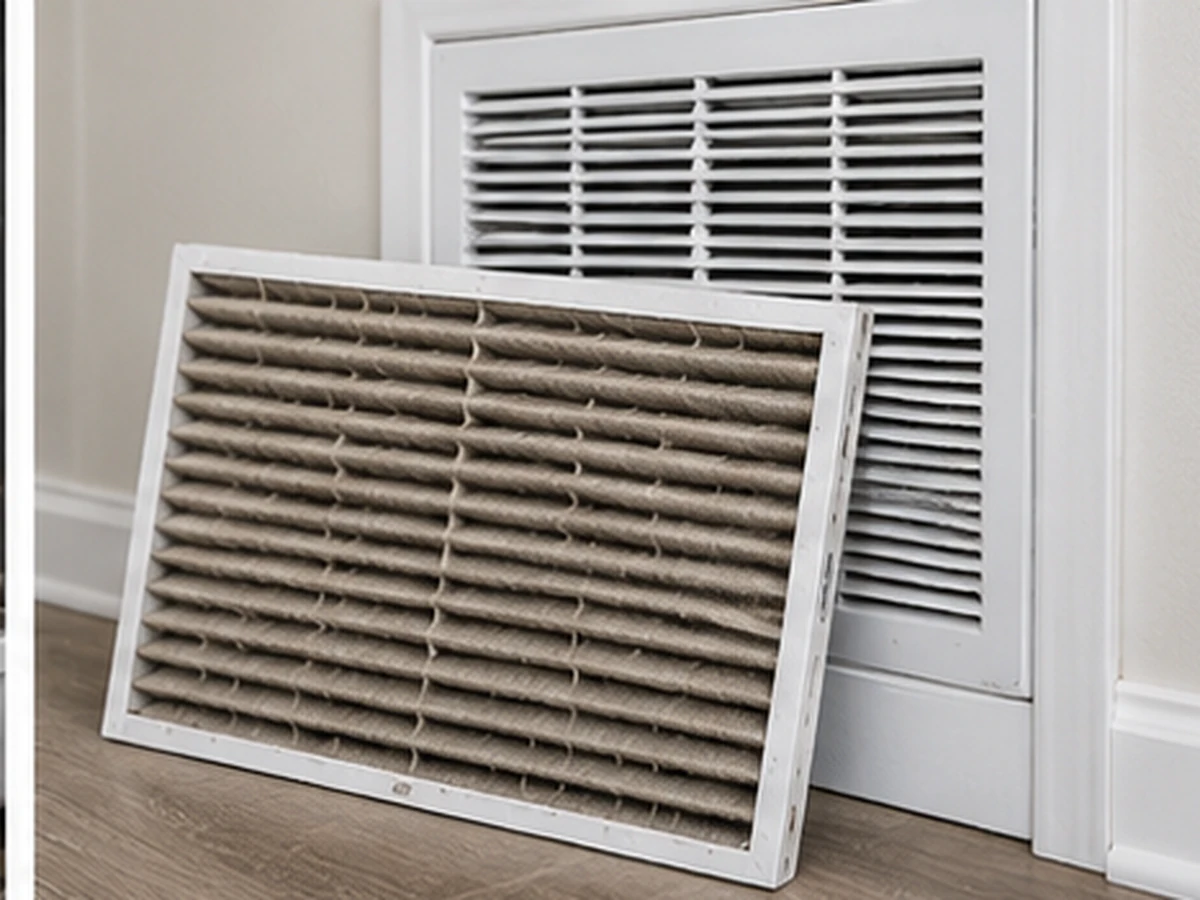
- Wet or dirty filter: A clogged filter reduces airflow, but a filter that is actually wet needs a different response. Clean or replace it as the manual directs, and find why water reached it. A new dry filter will not repair a wet coil or overflowing pan behind it.
- Moisture in ducts or insulation: Condensation, air leaks, or water damage can leave porous material wet. Simply cleaning visible vent covers will not dry that material.
- A damp room: Basement moisture, a roof leak, or a wet carpet can send an odor into the return air, making it seem as if the AC is the source.
A smell by itself does not confirm mold growth or identify a species. The EPA explains that a moldy odor is a reason to investigate. It does not tell you whether the AC or the room is the source. Look for damp material and a water problem before assuming you need mold testing or a chemical treatment.
What Should You Check First When Your AC Smells Musty?
First note when the smell occurs, then check the accessible filter, nearby vents, and visible signs of water without opening electrical panels. This helps you decide whether routine filter care is enough or the system needs professional inspection.
- Notice the pattern. Is the room already musty while the AC is off? Does the smell begin only when air starts moving, last briefly at startup, continue through cooling, follow heavy rain, or appear after a heat-pump mode change? If you already see major water damage or suspect significant contamination, do not restart the system just to test a smell.
- Look for standing water. Check the floor below the indoor unit and any drain or pan you can see without removing equipment covers. An active leak needs prompt attention.
- Inspect the accessible filter. Turn the unit off and follow the manufacturer’s instructions. A dusty but dry filter may need routine cleaning or replacement. A wet filter needs more: dry a washable filter completely or replace it as directed, then have the water source checked. Once the system is safe to run again, check whether the filter becomes wet again.
- Check the room and return-air area. Look for wet flooring, condensation, water stains, or a leak that could be entering the air stream.
- Decide whether to stop using the system. If you see extensive growth, wet insulation, significant water damage, or strongly suspect that the HVAC system is contaminated with mold, leave it off and arrange qualified assessment before running it again.
| What you notice | Likely place to check | Useful next action |
|---|---|---|
| Musty for a short time at startup | Moist coil, drain pan, or air left inside the unit | Inspect filter and drain clues; schedule coil and pan service if it repeats |
| Musty throughout cooling | Persistently wet coil, pan, duct material, or room | Check for water and have the moisture source located |
| Musty smell plus dripping indoors | Drain blockage, pan, pump, or condensate connection | Stop operation if leaking; arrange drain and water-damage inspection |
| Musty in one room even with AC off, or near one grille | Wet carpet, wall, return-air area, or a local duct section | Check room moisture first; if only airflow brings the smell, investigate the return and duct path |
| Smell after heat-to-cool change | Coil deposits and moisture during changing operating cycles | Check for dirty sock syndrome and request coil and drainage inspection |
If you notice a burning electrical odor, turn the system off and have it checked rather than treating it as a mildew problem. A rotten-egg odor near gas equipment calls for the gas utility’s emergency instructions, not AC cleaning.
How Do You Remove a Musty Smell From an Air Conditioner?
Remove the smell by correcting the damp condition and cleaning or replacing the affected material. Filters and accessible surfaces are reasonable first checks; contaminated coils, condensate components, and wet ducts may require an HVAC technician. Covering the odor with fragrance does not fix its source.
| Who should handle it? | Safe next step |
|---|---|
| You, with the unit off | Check accessible filters and visible water; clean only parts named in the owner’s manual. |
| Follow your exact model’s instructions | Use any specified tank-draining or automatic drying feature; do not improvise a coil-cleaning method. |
| Qualified HVAC service | Inspect hidden coils, internal drains, blower assemblies, electrical compartments, and wet duct insulation. |
Step 1: Replace or clean the air filter
Switch off the unit before routine filter care and follow its manual. Use the correct filter size and type, with airflow arrows pointing the right way. If a washable filter still smells after cleaning and drying, follow the manufacturer’s replacement guidance. A clean filter can improve airflow, but it will not clear a blocked drain line.
Step 2: Correct visible water and room moisture
Stop the water problem at its source. If an indoor AC unit is leaking, switch it off and have the drain, pan, or condensate pump (a small pump that removes collected water) inspected. If a wall or floor is wet, repair the building leak and dry or replace the damaged material. A technician can check whether the drain is blocked, the pan is damaged, the pump has failed, or a connection is leaking.
For a closer look at how the indoor unit’s drain hose, condensate pump, and discharge route fit together, see our guide to air-conditioning connections.
Step 3: Have the coil, pan, blower, and drain checked
Ask the service technician to inspect the evaporator coil, drain pan, blower, drain line, and surrounding air path. They can clean components using methods approved for the equipment, restore drainage, and verify that water leaves correctly during cooling. A badly soiled coil may also reduce airflow and cooling performance.
If the musty smell also comes with weak airflow or poor cooling, our air conditioner not cooling guide explains how to separate airflow symptoms from other cooling faults.
Step 4: Confirm the odor stays away
After the moisture source has been fixed and the system is cleared for use, check for new water around the unit and whether the odor returns at startup or during a normal cooling run. Ask how the technician verified condensate drained during cooling. Compare the result with the conditions when the smell first appeared; if it returns, note the mode, humidity if available, and weather before arranging follow-up.
Do not pour bleach into a sealed AC system, spray chemicals into supply vents, or mix cleaners. Unapproved chemicals can damage components or enter the air stream. Do not open refrigerant or electrical compartments to search for the odor. Use the model’s maintenance instructions for any homeowner-accessible parts.
What Is Dirty Sock Syndrome in an AC or Heat Pump?
Dirty sock syndrome is a recurring, sock-like or sour musty odor that can appear when an AC or heat pump starts or changes operating mode. It is commonly linked to deposits on a coil that becomes damp during cooling.
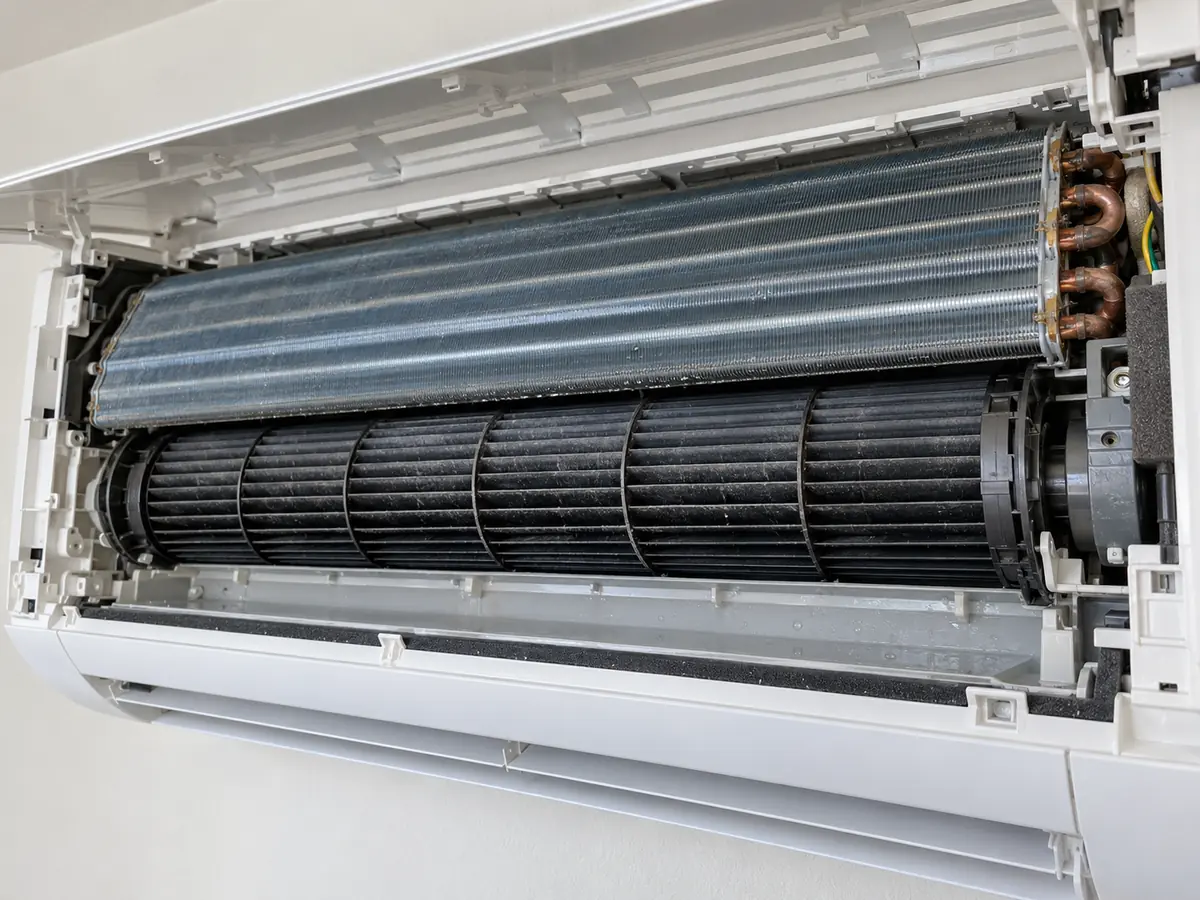
A heat pump moves heat in different directions depending on the season. Its indoor coil can be wet during cooling and dry or warm at other times. If dirt and moisture are present, the first airflow after a mode change may carry an unpleasant odor into the room.
This pattern may be noticed during spring or fall changeovers, when the system switches between heating and cooling. Tell the technician which mode ran before the odor, how long the odor lasted, and whether it happens again on the next changeover.
The useful fix is inspection of coil cleanliness, condensate drainage, and the surrounding air path. Cleaning a room vent or changing the thermostat setting alone will not remove material attached to an indoor coil. If the odor occurs only during heating startup, tell the technician the timing so they can check heating-cycle causes as well.
Ask a technician what the inspection actually found. If the coil is clean but the building still smells musty, investigate duct moisture or the rooms served by the system instead of replacing a working coil without evidence.
Do Central, Window, Portable, and Mini-Split ACs Need Different Fixes?
Yes. The cause may be similar, but the drain route, filter access, and safe cleaning method depend on the unit type. Check the manual for the exact model before opening any cover or draining a tank.
| System | Where moisture collects | First practical check |
|---|---|---|
| Central air conditioner | Indoor evaporator coil, condensate pan, drain line, sometimes ducts | Return filter, visible drain outlet, signs of leaks near the air handler (the indoor unit that moves air) |
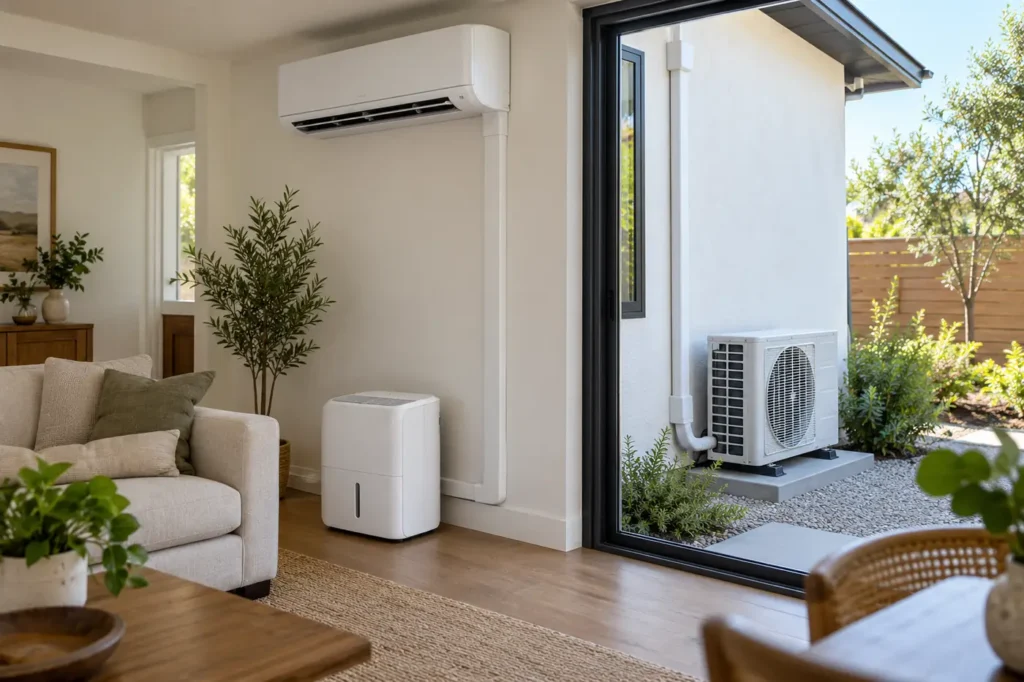
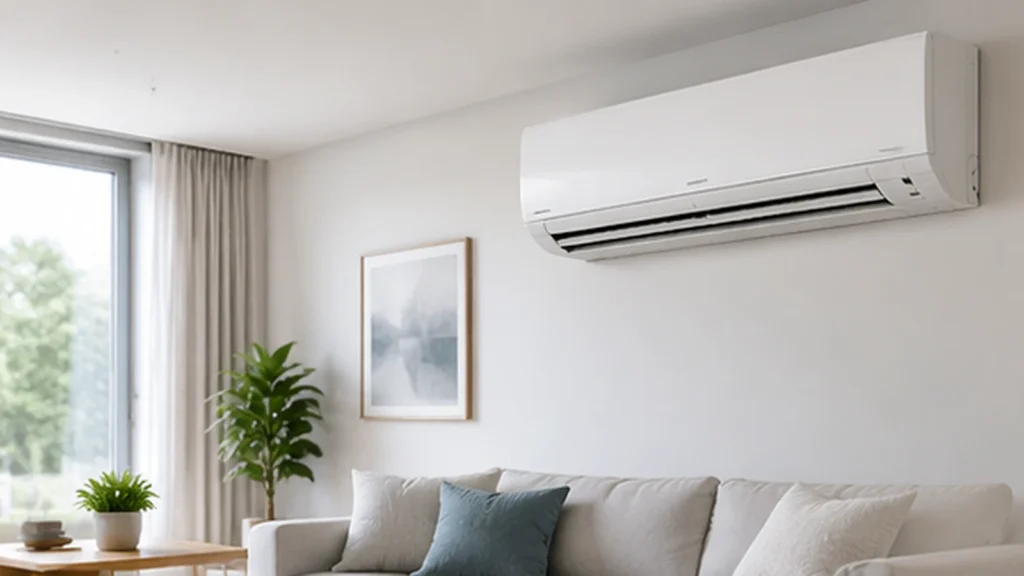
| Ductless mini-split or heat pump | Indoor coil, blower wheel (the fan that moves indoor air), wall-unit drain pan and drain hose | Accessible washable filters, wall staining, and whether the indoor unit drains |
| Window air conditioner | Coil, base pan, filters, outdoor drainage path | Clean accessible filter and confirm installation/drainage per the manual |
| Portable air conditioner | Internal condensate collection and air path; some models require a tank or hose drain | Check the water-tank/drain instructions, filter, and exhaust setup |
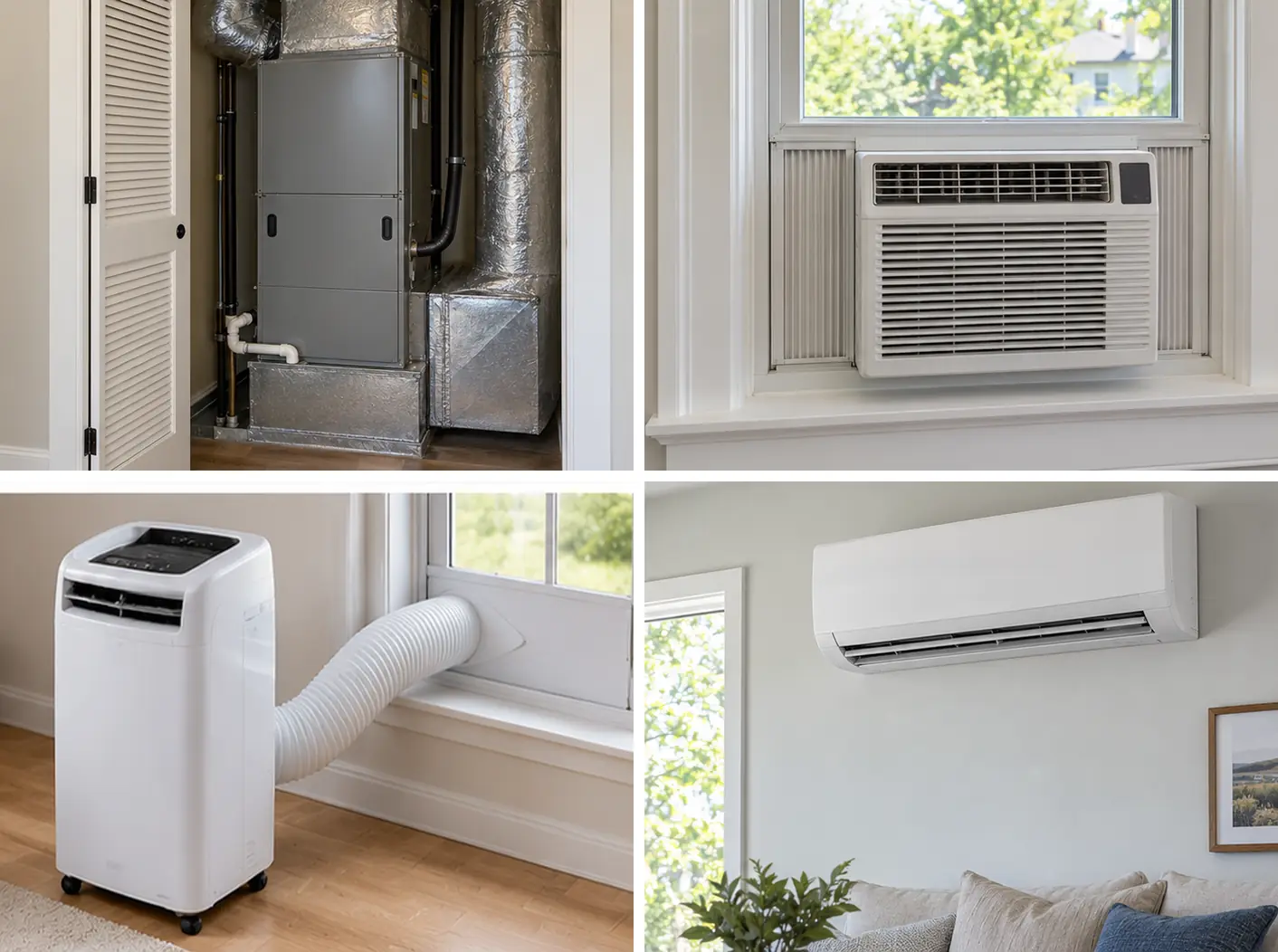
Some window units are designed to retain a little water in their outdoor base for normal operation. Do not drill a new hole or change the tilt without the manufacturer saying to do so. Likewise, a portable model that self-evaporates water in one mode may still need draining in high humidity or another mode.
Do not wash a window or portable air conditioner with a hose or pressure washer. Water can enter electrical parts. Follow the exact model’s approved cleaning instructions and leave hidden internal cleaning to qualified service.
For mini-splits, a dirty blower wheel and a blocked wall-unit drain can be difficult to reach safely. A professional can dismantle and clean the affected parts without wetting electronics. For central systems, wet insulation or duct material requires more than a filter change.
If you are not sure how a ductless indoor unit and its drain are arranged, see how a mini split air conditioner works.
How Can You Prevent Musty Smells and Mold in an Air Conditioner?
Keep moisture draining, clean accessible filters on schedule, and manage indoor humidity. These steps reduce conditions that support musty odors. If the odor returns, recheck the drain and any damp building materials.
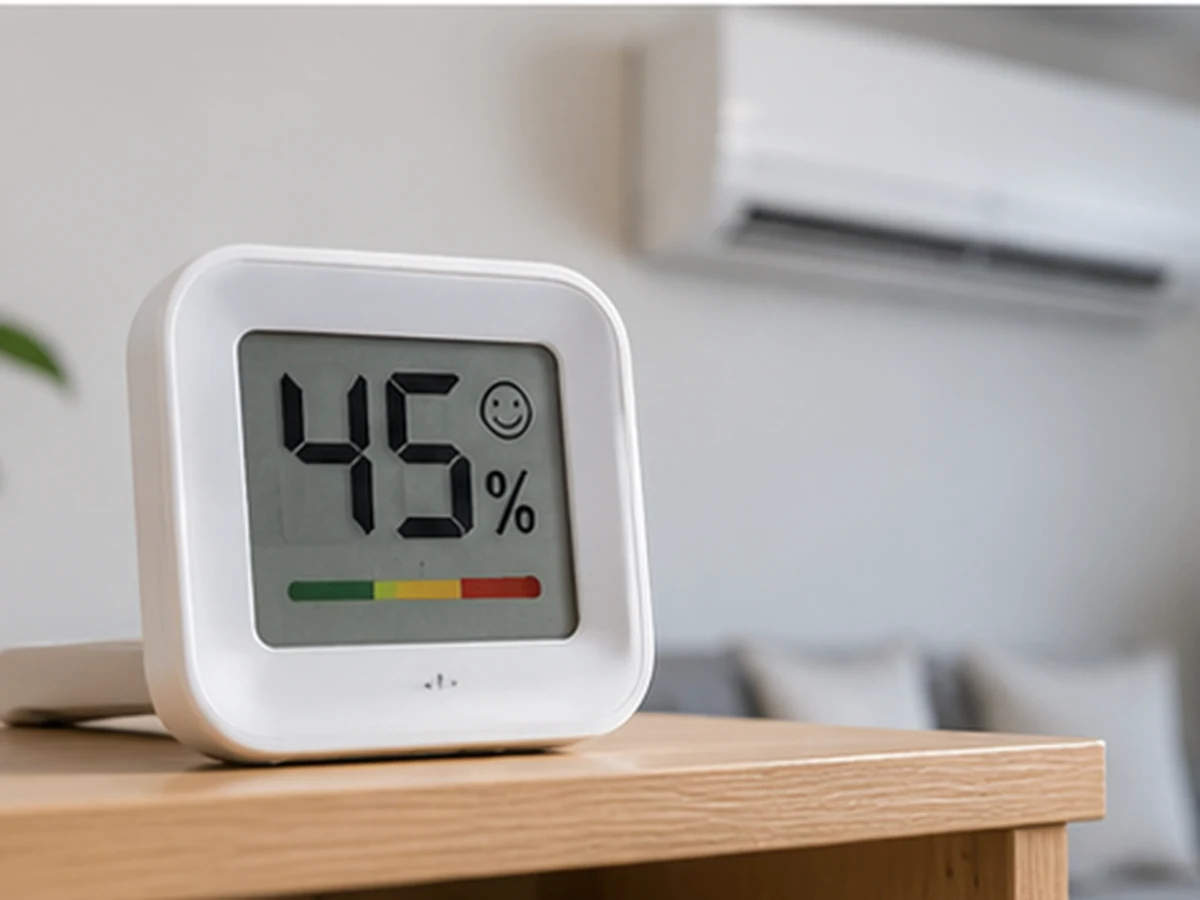
- Control indoor humidity. The US Environmental Protection Agency recommends keeping indoor relative humidity below 60%, ideally between 30% and 50% when practical. A simple hygrometer helps show whether the room stays damp even while it feels cool.
- Maintain normal airflow. Check filters at the intervals specified for the model and actual dust load. Keep supply and return grilles clear. Poor airflow can make moisture management and cooling less reliable.
- Keep condensate drainage working. Check for visible leaks. During service, have the pan, drain line, trap, and pump, if present, checked for normal water flow while the system is cooling.
- Repair building water problems. Roof leaks, wet basements, plumbing leaks, and uninsulated cold ducts in humid spaces can create odors that air-conditioner cleaning will not solve.
- Have the coil inspected when needed. Routine service can identify dirt buildup, drainage issues, and signs of wet material before repeated odors become a larger problem.
- Review humidity control if cooling cycles are very short. A system that often stops quickly may cool the room without removing enough moisture. A qualified contractor can check controls, airflow, equipment sizing, and actual load rather than assuming a larger AC will help.
Running the indoor fan continuously is not a universal odor fix. On some cooling systems it can return moisture from a wet coil to the room between compressor cycles. Follow the equipment maker’s operating advice and base any fan-setting change on actual indoor humidity and comfort.
Some room ACs and mini-splits offer a maker-approved Auto Dry or coil-drying cycle that briefly runs the fan after cooling. Use it only as the model manual directs. This is different from leaving a central-system fan set to ON continuously, which can increase indoor humidity on some systems.
For additional moisture guidance, see the EPA explanation of moisture and mold.
What If the Air Conditioner Vents or Ducts Smell Musty?
A musty smell at a vent may come from wet material near the grille, the return-air path, or the ducts themselves. Check nearby water stains, damp insulation, and moisture around the opening before deciding that duct cleaning is needed.
Start with the rooms where the odor is strongest. Check for condensation on grilles, water stains, attic or crawl-space moisture, and a smell that continues while the system is off. Have a contractor inspect areas you cannot safely access. If the indoor coil and pan are wet or dirty, fix those sources before deciding that the duct network is responsible.
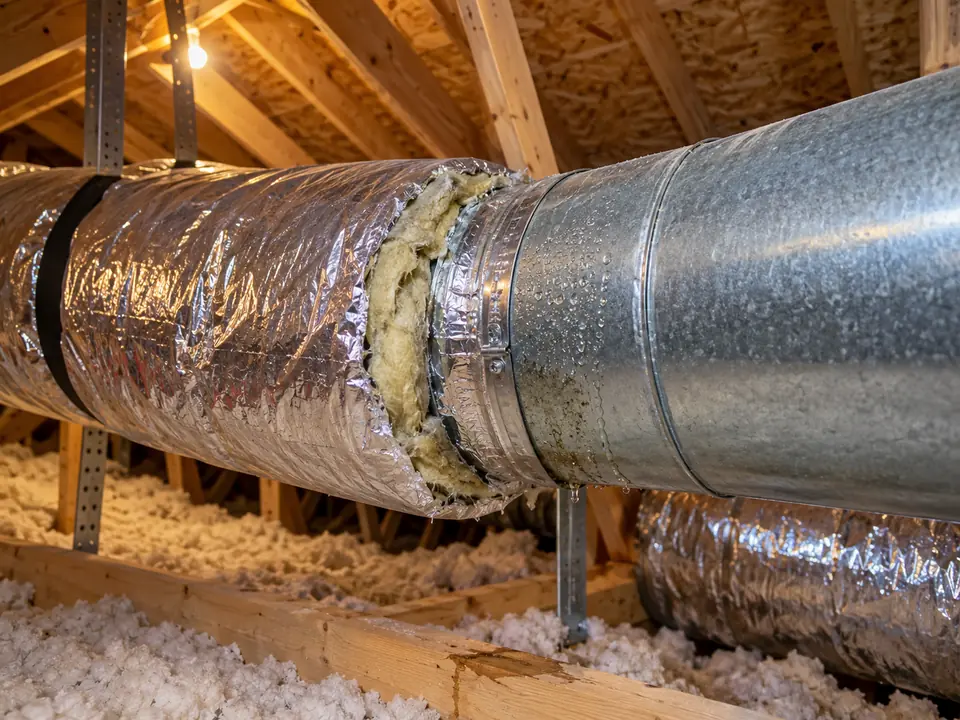
Routine whole-house duct cleaning is not the standard first step for every musty AC smell. The EPA says it does not generally recommend duct cleaning as a routine service. Certain conditions, including substantial visible mold growth inside hard-surface ducts, may justify targeted investigation and remediation. Wet or moldy insulated ducts are harder to clean reliably and may need replacement. See the EPA guide to residential air-duct cleaning.
Before agreeing to duct cleaning, ask the contractor to show where moisture or contamination was found, whether the material is bare metal or wet insulation, and what caused the water. Cleaning dry ducts without fixing a leaking pan or damp wall is unlikely to solve the odor.
Why Does the Musty Air Conditioner Smell Keep Coming Back?
A returning smell usually means the moisture source or affected material was not fully addressed. Replacing the filter can help at the intake, but it does not repair a blocked drain, a wet blower housing, or damp duct insulation.
If the odor returns soon after cleaning, ask the technician to verify the actual water path during cooling: does condensate reach the pan, drain through the line or pump, and leave the building without overflowing? Also check whether the coil, blower, drain pan, and nearby insulated surfaces were all inspected.
If the smell appears mainly after rain, inspect the building envelope and any duct sections in humid unconditioned spaces. If it occurs after the AC has been off for weeks, check for residual wet material and stale air but do not assume inactivity alone is the cause. If the odor is strongest in one room, investigate local moisture before replacing the main equipment.
Use a simple record to guide the follow-up: note the date, indoor humidity if available, mode used, how long the smell lasted, and any water you saw. A repeated pattern gives the service team more useful information than saying only that the AC smells bad.
Persistent odor with visible mold, repeated water leaks, or breathing symptoms deserves prompt assessment. The CDC explains health effects linked to dampness and mold. If someone has persistent or worsening breathing symptoms, seek medical advice while the moisture source is investigated.
When Should You Call an HVAC Professional?
Arrange professional service when the odor persists after basic filter care, comes with water damage, returns every cooling cycle, or points to a hidden coil, drain, or duct problem. Qualified service is also appropriate when a heat pump develops a repeated dirty-sock odor across mode changes.
For a focused visit, tell the technician whether the odor occurs at startup, during cooling, after rain, or during a heat-pump mode change. Ask what was wet, why it stayed wet, what was cleaned or replaced, and how drainage was checked under cooling conditions. Request inspection of the coil, blower, drain pan and any wet insulation indicated by the symptoms. The result should be no new water around the unit and no return of the odor under similar operating conditions.
If the current system still cannot control humidity or short-cycles after drainage and maintenance problems are corrected, a qualified contractor should first check building load, airflow and controls. If that assessment shows equipment replacement is justified, Airproz can help compare air-conditioner options for a building or project. As one example with published moisture-removal data, see the Airproz R410A T1 inverter AC – PAT Series; check the destination market, power supply, cooling load, and installation requirements before considering it. You can contact our team with the building use, destination market, climate and design conditions, cooling load or capacity if known, power supply and current system type. For an active leak, mold concern or immediate on-site repair, work with a qualified local HVAC or remediation professional first.
Conclusion: Fix the Moisture Behind the Musty AC Smell
When an air conditioner smells musty, the lasting fix is to find damp material, restore drainage, and clean or replace the affected part. Start with the accessible filter and visible water. If the smell persists or returns, have the coil, condensate path, and any wet insulation inspected. The same approach applies to central AC, ductless systems, portable units, and heat pumps, but safe access and drainage details differ by model.
An air freshener may cover the smell for a day; correcting the moisture source is what makes the improvement last.
Frequently Asked Questions
Why does my air conditioner smell musty only when first turned on?
A brief startup odor can come from damp deposits on the coil or air left inside the system. If it happens repeatedly, inspect the filter and ask for the coil and drain pan to be checked.
Why does my AC smell musty even in fan-only mode?
A musty smell in fan-only mode often comes from damp material in the return-air area, filter, or indoor air path. The fan carries that odor into the room even when the compressor is off. Check for wet surfaces near the return and signs of earlier condensate problems. If the smell continues, have the air path inspected; do not run fan-only mode to test a system with significant water damage or suspected contamination.
Is a musty smell from an AC always a sign of mold?
No. Damp dust, standing condensate, wet insulation, or moisture elsewhere in the room can cause a similar odor. Confirm the source by inspecting moisture and affected parts; an odor cannot identify the material or mold species.
Can I spray bleach or air freshener into AC vents to remove mildew smell?
No. Spraying unapproved chemicals into an AC or duct may expose occupants to fumes or damage components, and fragrance only hides an odor. Follow model-specific cleaning instructions and have hidden coils or drains serviced when needed.
Do air ducts need cleaning if the vents smell musty?
Not automatically. First inspect the coil, condensate pan, room moisture, and nearby duct insulation. The EPA does not recommend routine duct cleaning for every home. Wet insulated ducts or substantial confirmed contamination require targeted assessment.
Why does my heat pump smell like dirty socks after switching modes?
Dirty sock syndrome can occur when damp deposits on the indoor coil produce an odor during startup or a mode change. A technician should inspect coil cleanliness, drainage, and other possible odor sources before choosing a repair.
Will changing the AC filter remove a musty smell permanently?
Only if the filter was the sole source of the smell. If the coil, drain pan, or insulation stays wet, the odor can return after the filter is changed. Have the remaining moisture source checked if the smell persists.
Can I keep running my AC if I smell mildew?
Turn the AC off if it is leaking, has significant water damage, or appears contaminated inside the air path. For a brief odor without visible damage, switch it off for accessible filter checks and arrange professional inspection if the smell repeats. Keep a system with suspected significant mold contamination off until a qualified professional assesses it.