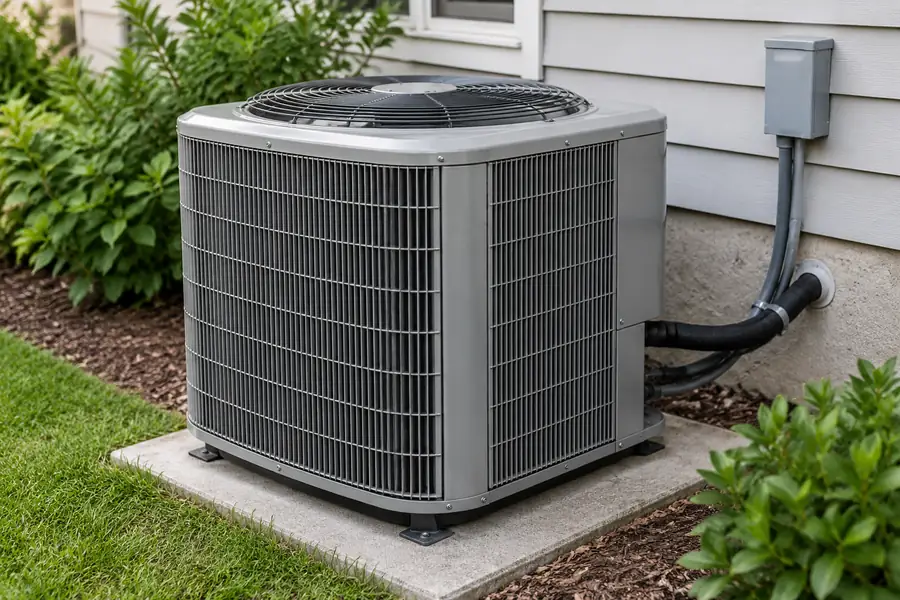
The best and most economical way to heat a home is to reduce heat loss and choose the system with the lowest total cost at your local energy prices. For a house using electric baseboards, an efficient heat pump often cuts running energy use. If you already have a working gas furnace and inexpensive gas, keeping it may cost less than replacing it immediately.
Low purchase cost, low winter bills and low ten-year ownership cost are different goals. Start with the three answers below, then compare the example and calculate using your own rates.
Portable electric heat often has the lowest initial purchase cost. It is not generally the cheapest choice for continuously heating an entire house.
A heat pump or natural gas may cost less per unit of warmth, depending on your electricity and fuel rates, heating efficiency and backup demand.
Compare the complete job: installation, annual energy, upkeep, backup heat and any cooling equipment you would otherwise need to buy.
What Is the Cheapest Way to Heat a House?
A correctly sized heat pump is usually the lowest-running-cost mainstream electric option for whole-home heating, especially when replacing electric baseboards or an electric furnace. Where a safe, working gas furnace is already installed and natural gas is inexpensive, retaining it may be more economical overall. The table below shows how the answer changes by house and existing heating system.
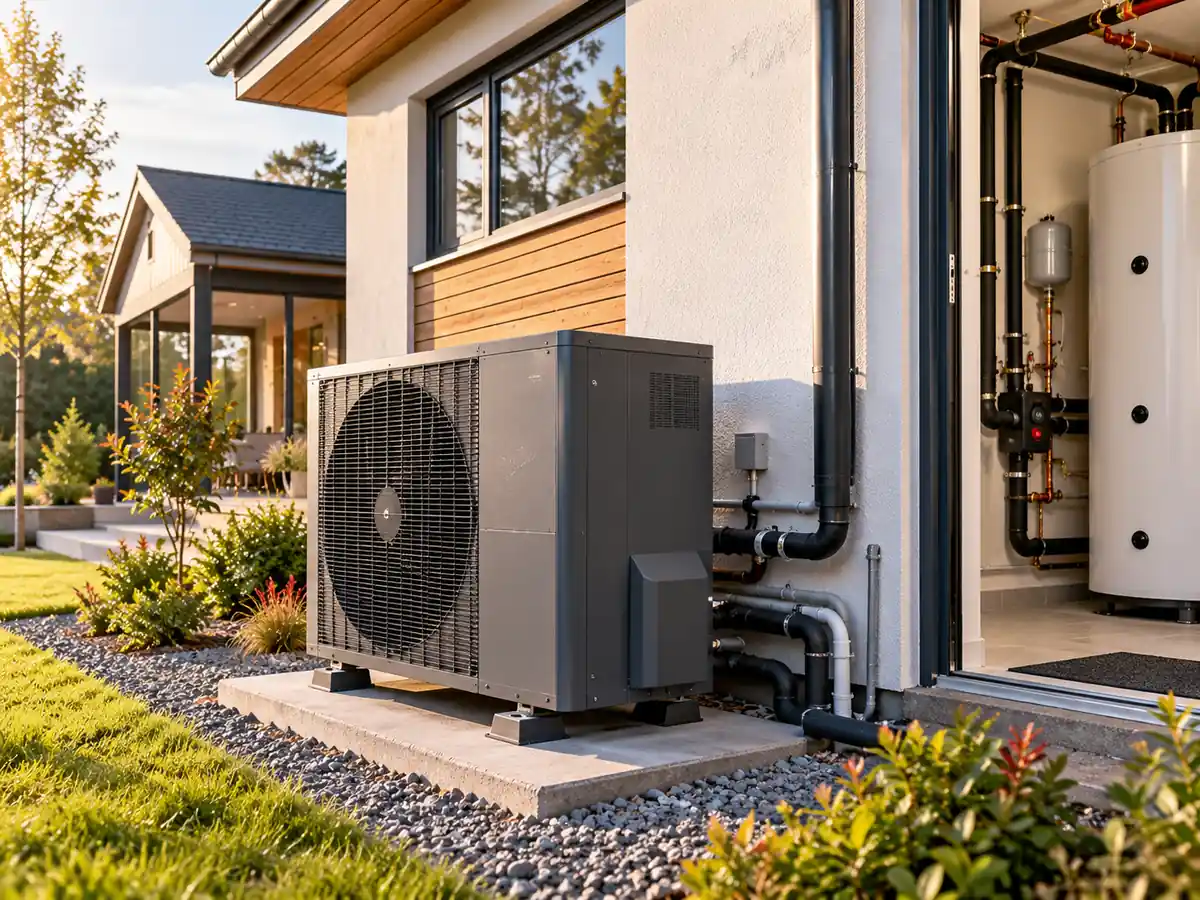
| Your situation | First option to compare | Why it can save money | What can change the answer |
|---|---|---|---|
| Existing electric baseboards or electric furnace | Air-source heat pump or ductless mini-split | Moves heat instead of making all heat through electric resistance | Installed price, climate, backup heat, room coverage |
| Existing natural gas furnace and ducts | Keep/replace furnace versus ducted heat pump | Gas may have low delivered-heat cost; heat pump can also replace air conditioning | Gas and electric tariffs, equipment age, duct condition |
| Gas boiler with radiators or underfloor heating | Boiler versus air-to-water heat pump | Heat pump efficiency can be attractive at suitable water temperatures | Radiator output, required flow temperature, retrofit scope |
| Mild climate with a few occupied rooms | Correctly sized mini-split with zone control | Avoids heating unused space | Home layout and whether the whole home still needs heat |
| Very cold climate | Verified cold-climate heat pump versus gas or dual fuel | Maintains useful capacity when the selected design is appropriate | Low-temperature performance, backup costs and local energy rates |
For many existing homes, improving insulation and stopping uncontrolled air leaks are the lowest-risk first steps. They reduce the amount of heat any system must supply, rather than merely switching to a different fuel. The U.S. Department of Energy recommends a home energy assessment to identify worthwhile improvements.
Which Home Heating Systems Are Cheapest to Run?
In the worked example below, natural gas is cheapest to run at about $623 a year, followed by an air-source heat pump at $720 and electric resistance at $2,160. At the same gas rate and system efficiencies, the heat pump becomes cheaper on variable heating-energy cost when electricity is below about $0.156/kWh (with COP 3 and no additional resistance backup). Local energy prices can change the order.
One equal-heat example: A home needing 12,000 kWh of useful space heat a year has these modeled variable heating-energy costs:
| Heating method | Modeled annual energy cost | What the result means |
|---|---|---|
| Natural gas, 92% seasonal efficiency | About $623 | Lowest in this example only |
| Air-source heat pump, COP 3.0 | $720 | Can win when electricity is cheaper or COP is higher |
| Electric resistance | $2,160 | Highest in this full-house example |
Example heating-energy comparison: 12,000 kWh of useful annual heat, electricity at $0.18/kWh and natural gas at $1.40/therm. See all calculation inputs or compare your own rates.
| System | Useful heat from purchased energy | Best fit | Main cost limitation |
|---|---|---|---|
| Air-source heat pump | Seasonal system COP often modeled around 2.5–3.5; actual value varies | Whole-home or zoned heating, often with cooling | Cold-weather performance, electricity rates and installation cost |
| Natural gas furnace/boiler | Seasonal fuel efficiency below 100% on a fuel-energy basis | Homes with gas service and suitable ducts or radiators | Gas availability, fixed connection charges and combustion-system maintenance |
| Ductless mini-split | Same heat-pump principle, with zoned indoor units | Homes without ducts, additions and targeted rooms | Indoor-unit coverage and multi-zone installation expense |
| Ground-source heat pump | Uses ground as heat source, often offering strong seasonal performance | Long-term ownership and suitable ground/land | Ground-loop/drilling cost and site limitations |
| Electric resistance | About 1 kWh of heat per 1 kWh of electricity at the heater | Small supplemental areas or where replacement is impractical | High electricity consumption for whole-home heating |
| Propane or heating oil | Depends on fuel energy content and appliance efficiency | Properties without natural gas service | Delivered fuel price, tank/service costs and price variability |
| Wood or pellet stove | Depends on fuel quality, stove efficiency and distribution | Supplemental or specialized heating with available fuel | Storage, labor, air-quality rules, safety and whole-house coverage |
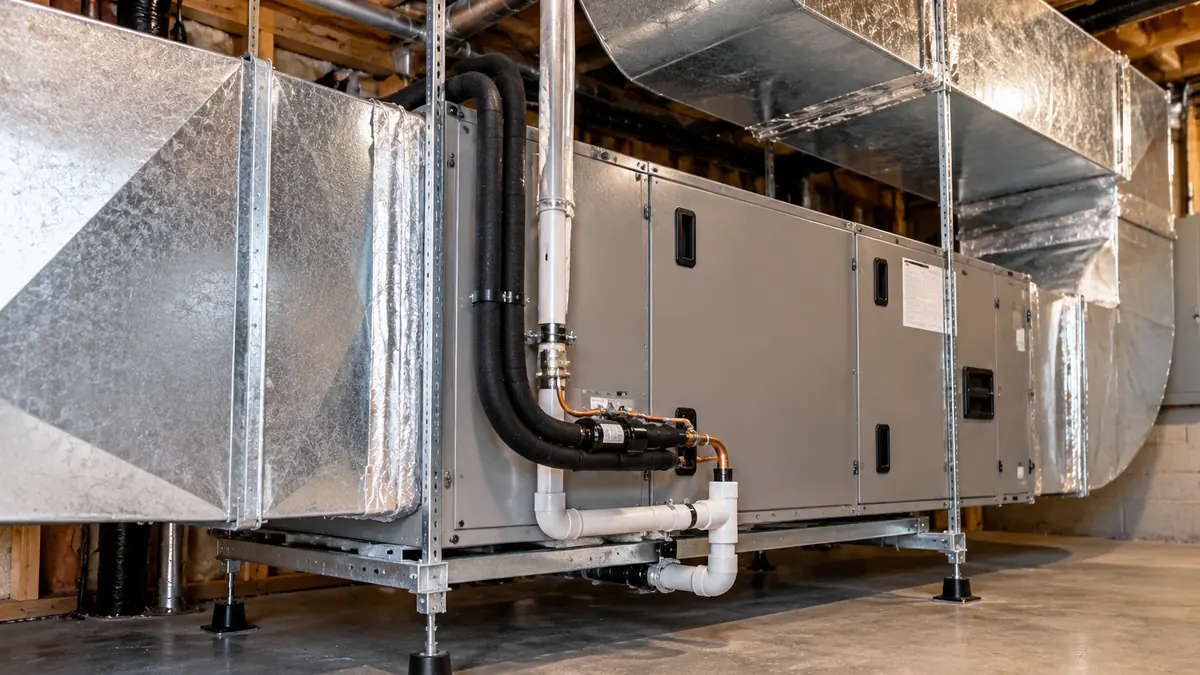
Heat pumps: when they save on winter heating bills
Heat pumps can cut winter heating electricity use sharply when replacing electric baseboards or an electric furnace. With a seasonal coefficient of performance (COP) of 3, a heat pump supplies roughly three units of useful heat per unit of electricity over the modeled season. Where natural gas is inexpensive relative to electricity, gas can still have lower variable heating-energy cost. The U.S. Department of Energy’s heat pump guide explains heat transfer and the advantage over resistance heating.
Natural gas: efficient delivery where local fuel is inexpensive
A working, efficient natural-gas furnace can have the lower heating-energy cost where gas is inexpensive relative to electricity. At this article’s example rates, gas costs about $623 annually versus $720 for a COP-3 heat pump for the same useful heat. Gas furnaces convert fuel to heat indoors; include fixed gas-account charges, venting and annual service in an ownership comparison.
Electric heaters: cheap to purchase, expensive for sustained whole-home use
Electric-resistance heaters are inexpensive to buy for occasional room heating, but generally cost more to run for sustained whole-home heating than a heat pump using the same electricity tariff. Oil-filled radiators, ceramic fan heaters and baseboards convert electricity into heat at broadly similar rates at the point of use. An oil-filled heater changes how heat is released, not the total heat created per kWh. For brief use in one occupied room, its lower purchase cost can still make a portable unit economical when operated safely.
Ground-source heat pumps, wood and pellets: where each makes economic sense
Ground-source heat pumps make the most financial sense when long-term heating savings can justify the added cost of ground-loop construction. Wood and pellet heating can be economical where suitable fuel is affordable, a safe compliant installation is practical and regular fuel handling is acceptable. Compare total ownership cost and the share of the home each option can actually heat.
How Much Does It Cost to Heat a House with Gas, a Heat Pump or Electricity?
For 12,000 kWh of useful annual space heat, the example costs about $623 with natural gas, $720 with a heat pump and $2,160 with electric resistance. The energy rates and equipment performance assumptions are shown in the table below.
| Assumed input | Value | What it represents |
|---|---|---|
| Useful annual space heat | 12,000 kWh | Same heat delivered indoors for all choices |
| Electricity price | $0.18/kWh | Illustrative variable electricity tariff |
| Natural gas price | $1.40/therm | Illustrative variable gas tariff; 1 therm ≈ 29.3 kWh of fuel energy |
| Heat-pump seasonal system COP | 3.0 | Includes the modeled operating season; actual backup/system behavior can change it |
| Gas appliance seasonal efficiency | 92% | Fuel energy delivered as useful space heat in this simplified model |
Scope of the worked example: These figures compare variable space-heating energy using the stated rates and efficiencies. For full ownership cost, include fixed utility charges, installation, maintenance, backup energy not already included in seasonal performance and any separate cooling needs.
| Heating method | Purchased energy | Example annual variable cost | Cost per useful kWh |
|---|---|---|---|
| Natural gas at 92% | ≈ 445 therms | $623 | $0.0519 |
| Air-source heat pump, COP 3.0 | 4,000 kWh electricity | $720 | $0.0600 |
| Electric resistance | 12,000 kWh electricity | $2,160 | $0.1800 |
What might those annual heating costs mean per winter month?
Spread the entire example heating load evenly over five winter months: gas is about $125/month, the heat pump $144/month, and electric resistance $432/month.
These values divide the example annual heating-energy costs evenly across five months ($623 ÷ 5, $720 ÷ 5 and $2,160 ÷ 5, rounded). Actual monthly heating use and total utility bills vary with weather, occupancy, fixed charges and other household energy consumption.
Another common unit: The same modeled costs are approximately $15.22 for gas, $17.59 for the heat pump and $52.75 for resistance heating per million BTU of useful heat (1 million BTU ≈ 293.07 kWh). Each figure shows the modeled cost of one million BTU of useful heat delivered indoors.
The result changes when tariffs change. At $0.12/kWh electricity with the other assumptions unchanged, the heat pump costs $480 per year and becomes cheaper than the example gas system. Different space-heating loads change annual totals; they do not change which fuel costs less per useful kWh if the efficiencies and tariffs stay fixed.
Gas cost per useful kWh = gas price per therm ÷ (29.3 × gas seasonal efficiency).
Break-even electricity price = gas price per therm × heat-pump COP ÷ (29.3 × gas seasonal efficiency).
At about $0.156/kWh, the two modeled heating-energy costs are equal under the stated assumptions. Above that electricity rate, the assumed gas system has the lower variable heating cost; below it, the assumed heat pump does. For a full ownership decision, include installation, fixed charges and the actual equipment and service scope in the long-term cost comparison.
The EIA’s October 2026 winter outlook shows why a single national headline is unreliable: fuel spending is forecast to move in different directions by fuel type and region.
Calculate Which Heating System Is Cheaper Where You Live
Compare the heating-energy cost of a heat pump, natural gas and electric resistance using your own electricity rate, gas rate and seasonal performance. Enter your home’s estimated annual useful heat, then adjust the electric-resistance backup share if part of that heat comes from backup electric heaters.
Read electricity price per kWh and the gas price per therm from your bills; if billed in a different gas unit, convert using your supplier’s stated energy content. Use the same currency for both. Estimated useful space heat can come from a heat-loss/annual-energy assessment. The starting values are example inputs; replace them with the rates on your utility bill. This model uses 29.3071 kWh per therm and compares variable heating-energy charges.
Backup share means the percentage of useful house heat supplied by electric resistance, not the share of the electricity bill. For example, 20% backup means 20% of delivered heat uses electric resistance and the other 80% uses the stated heat-pump COP. Set backup to 0% if your COP is already a whole-system seasonal figure including auxiliary electric heat, or you would count backup twice. At 100% backup this reduces to resistance heating. Compare other backup fuels separately; the field models electric resistance only.
For a useful comparison, enter your actual energy rates and a seasonal COP that reflects your climate. The result compares space-heating energy using those inputs. For a long-term decision, add installed price, fixed charges and maintenance in the long-term cost comparison. If your backup fuel is gas, oil or propane, calculate that fuel separately; this tool’s backup field represents electric resistance heat.
What Is the Most Energy-Efficient Home Heating System?
Ground-source heat pumps are among the highest-efficiency residential heating options, while modern air-source heat pumps are often the more practical high-efficiency retrofit. Both transfer heat rather than relying on electric resistance to generate it. Compare seasonal efficiency and the capacity available at your winter design temperature to determine how much energy each would use in your home.
What do COP, SCOP, HSPF2 and AFUE mean?
COP measures useful heat output per unit of electrical input; SCOP and HSPF2 describe heat-pump performance under defined seasonal rating methods; AFUE is a furnace or boiler’s annual fuel-utilization efficiency expressed as a percentage. A COP of 3 means three units of heat per unit of electricity under the conditions measured. Use seasonal ratings for annual operating-cost comparisons and low-temperature capacity data for winter equipment sizing. The table below shows how the measures differ.
| Metric | Plain-English meaning | What it does not tell you |
|---|---|---|
| COP | Heat output divided by electrical input at stated conditions or over a stated period | One test-point COP cannot predict a full winter bill |
| SCOP | Seasonal heat-pump efficiency under a defined test method | Your climate, backup and controls may differ |
| HSPF2 | U.S. seasonal heat-pump heating rating, in Btu/Wh | It is not the same numeric unit as COP or SCOP |
| AFUE | Seasonal fuel-use efficiency for a furnace, as a percent | It cannot be compared as the same number as COP |
Use performance data that match your climate and system. For hydronic heating, check the required supply-water temperature; for ducted heating, check duct losses and relevant fans or other distribution electricity.
Why winter design temperature and water temperature matter
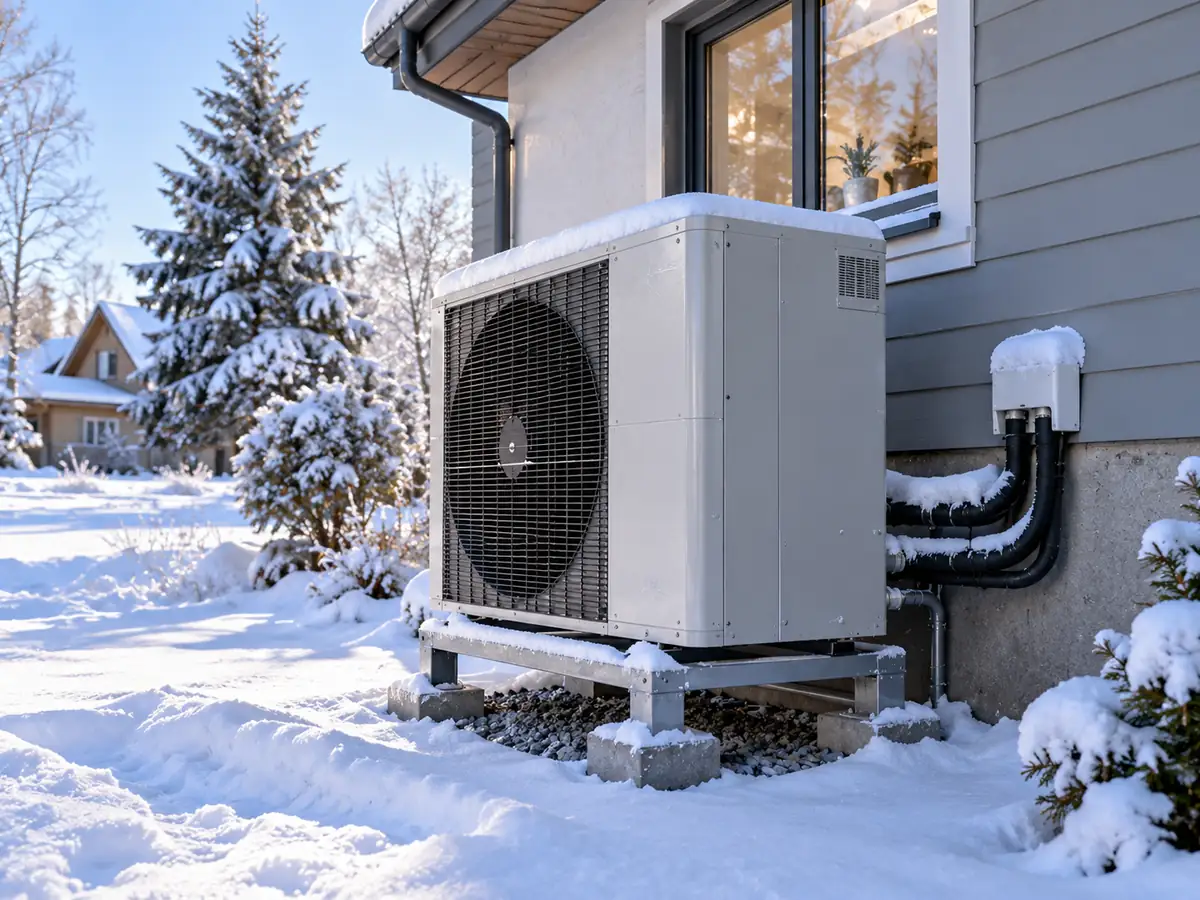
Air-source heat-pump output and efficiency can fall as outdoor temperatures drop. For an air-to-water heat pump, producing hotter radiator water generally increases the lift the system must achieve and can lower efficiency. Compare heating capacity and power input at the local design temperature and required supply-water temperature, not just the highest advertised COP. Cold-climate products can work in freezing weather, but exact performance and backup needs must come from model-specific data. ENERGY STAR explains cold-climate heat-pump considerations.
What Is the Best Heating System for Your House and Climate?
For a mild-climate house without ducts, a correctly sized ductless heat pump is often the best fit. For a cold-climate home, start with a heat pump rated to cover the local winter design load; dual fuel can make more economic sense where existing gas service and fuel prices favor the furnace during the coldest hours. A working gas furnace may remain economical when gas is affordable, while a house with radiators needs an air-to-water heat-pump assessment at the required water temperature.
Start with what you already have: electric resistance → compare heat-pump running savings; working gas → compare keeping it with a complete replacement; old radiators → check required water temperature; oil/propane without gas → compare delivered fuel heat cost; freezing winters → verify low-temperature capacity and backup.
Small home or apartment in a mild climate
A right-sized ductless heat pump can provide both heating and cooling without constructing new ducts. Check indoor-unit placement, room connections and whether one zone can serve the occupied rooms. For occasional heating of one room, the total cost of a small electric heater may be lower despite its higher cost per unit of delivered heat; this does not make resistance heating a better whole-home solution.
Existing gas-heated home
If your gas furnace is safe, efficient and working properly, keeping it can be the lowest near-term-cost choice where natural gas is affordable. When the furnace or air conditioner needs replacement, compare efficient gas equipment with a ducted heat pump using their full installed costs and heating-and-cooling services. Check duct leakage and airflow before choosing a larger system.
Older house with radiators or underfloor heating
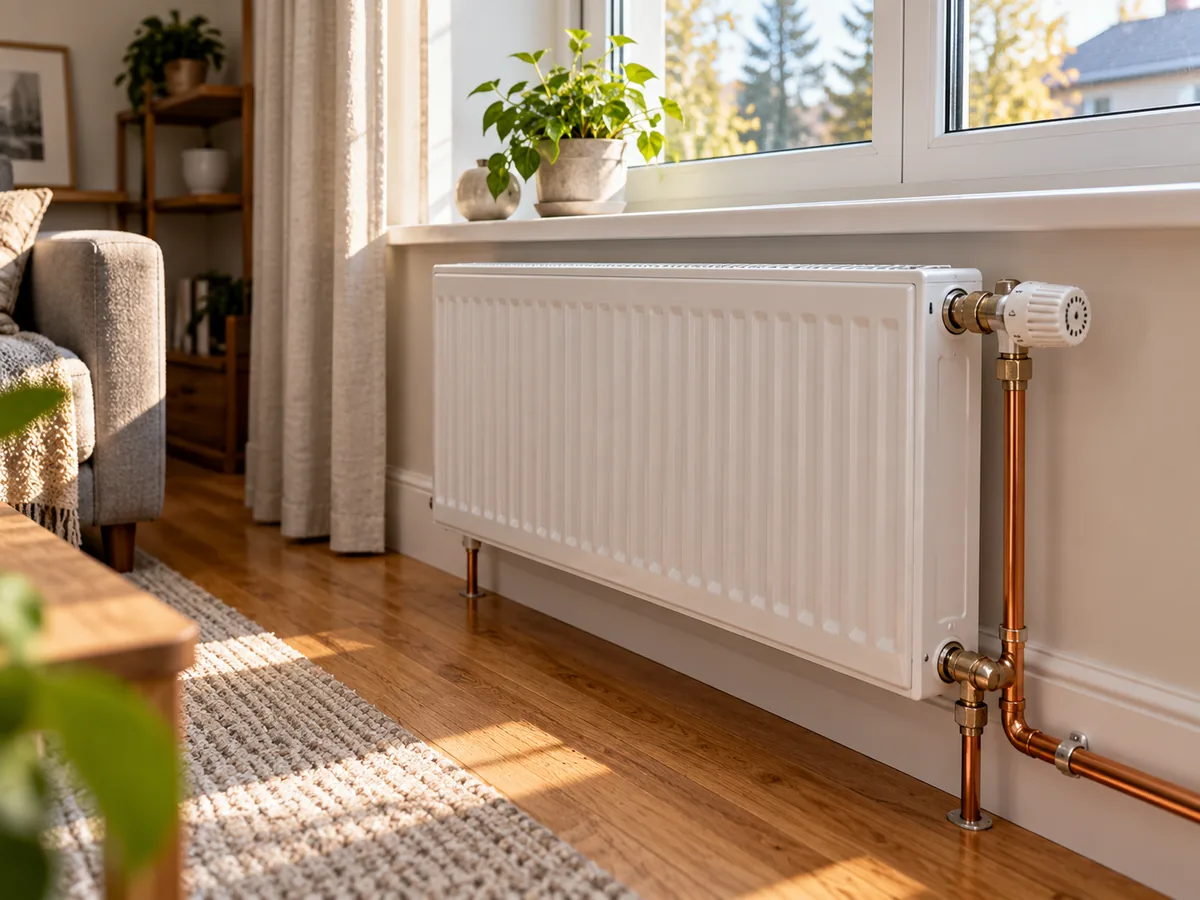
An air-to-water heat pump may connect to a hydronic distribution system, but the emitters must deliver the required room heat at the proposed flow temperatures. Insulation upgrades can reduce heat demand and make lower water temperatures practical. If the existing radiators only work at very hot water temperatures, evaluate radiator changes, higher-temperature equipment or keeping a safe boiler before selecting a model. For installation constraints, see the air-source heat-pump installation guide.
No natural gas: oil or propane versus a heat pump
For a home paying high delivered oil or propane prices, a correctly sized cold-climate heat pump can lower annual heating-energy spending. Convert your oil or propane price into cost per useful heat using the fuel’s energy content and the existing appliance’s seasonal efficiency; compare it with electricity cost divided by the heat pump’s expected system seasonal COP. Include tank or delivery charges, electrical upgrades and backup heating at your winter design temperature.
Cold-climate house with long freezing winters
Choose a cold-climate heat pump based on output at the actual winter design condition, backup strategy, defrost behavior and site-specific electricity cost. A dual-fuel system combines a heat pump and a gas furnace, switching according to capacity or operating economics when its controls are configured correctly. Compare the cost of maintaining both systems and a gas connection with the benefit of the dual-fuel arrangement.
Large house with uneven room temperatures
Fix room-to-room heat distribution before increasing heating-system size. Duct leaks, unbalanced hydronic circuits and missing zones can leave rooms cold even when the heater has adequate capacity. A room-by-room heat-loss and distribution check can identify whether duct repairs, hydronic balancing, multiple heat-pump zones or a properly designed ducted system will solve the problem. For air-to-water systems, also account for minimum flow and changing zone demand.
Which Heating System Has the Lowest Long-Term Cost?
Replacing electric-resistance heating with a heat pump can deliver the lowest long-term cost when the energy savings cover the extra installed and service expenses. In this article’s fixed-price example, the heat pump uses $14,400 less heating energy over ten years than resistance heating. The modeled working gas furnace instead costs about $969 less in heating energy than the heat pump over ten years. Installation, maintenance, remaining equipment life and cooling benefits decide the full ownership result.
| Cost item | Questions to ask | Why it changes the result |
|---|---|---|
| Installed equipment | Is the quote for equipment only or a completed, commissioned system? | Electrical work, ducts, radiators and site preparation can dominate retrofit differences |
| Annual heating energy | What heat load, seasonal performance and actual tariffs were used? | Determines the core variable operating comparison |
| Cooling service | Will the heat pump also replace a central AC or another cooling unit? | May avoid a second equipment purchase and some service costs |
| Fixed and service charges | Will gas service remain? What maintenance and safety checks are required? | Fuel-only calculations leave these out |
| Financing and incentives | Which programs are active and actually available at installation? | Eligibility, caps and expiration dates differ by location and year |
| Equipment life and major repairs | Is a replacement likely within the comparison period? | Avoids assuming both systems have identical remaining life |
Ten-year energy costs: when does replacement save money?
A heat-pump replacement pays off when its energy and cooling savings over the ownership period exceed its extra installed and service costs. At the same heat demand and fixed example tariffs, ten years of heating energy cost $21,600 for resistance heat, $7,200 for the heat pump and about $6,231 for gas. That is $14,400 less heating energy for the heat pump than resistance heating, but about $969 more than the modeled gas furnace, before other ownership costs and benefits.
| Space-heating method | Modeled annual energy | Ten-year variable energy only |
|---|---|---|
| Natural gas, 92% | About $623 | About $6,231 |
| Heat pump, COP 3.0 | $720 | $7,200 |
| Electric resistance | $2,160 | $21,600 |
- Replacing resistance heating with a heat pump: energy cost falls by a modeled $14,400 over ten years before installation, repairs and backup costs. Compare that difference with the full extra installed expense.
- Replacing a working gas heater with a heat pump: the assumed gas system uses about $969 less in heating energy over ten years than this example heat pump. A heat pump could still be the better total-value choice with other tariffs, cooling replacement, different performance or end-of-life equipment.
Ten-year heating-energy scenario: The table multiplies the example annual energy costs by ten using fixed prices, heat demand and efficiency. For full ownership cost, include installation, financing, service, equipment replacement, relevant incentives and future energy-price changes.
For example, a heat-pump installation that costs $4,000 more after eligible incentives and saves $500 a year has a simple payback of eight years. If annual savings are zero or negative, there is no positive payback period in this model. Simple payback divides extra net installed cost by annual savings. For a major investment, also compare maintenance, equipment life, financing and likely fuel-price changes.
Why an immediate replacement is not always best
If a safe heating system still works and needs only modest repairs, keeping it while improving the building envelope can be economical. When equipment is near the end of its useful life, compare replacement options based on the incremental cost of the new choice, rather than the entire cost of a heat pump against a fictional zero-cost alternative.
How Can You Heat Your Home More Cheaply This Winter?
Seal uncontrolled air leaks, improve the weakest insulation, maintain airflow and use sensible temperature schedules before paying for a larger heating system. These steps cut heat demand or improve delivery; the right order depends on the condition of your home.
Today: low-cost checks
- Match heating schedules to occupied rooms. Do not heat unused areas unnecessarily; maintain safe temperatures to protect occupants, moisture-sensitive spaces and pipes.
- Keep airflow paths clear. Follow the equipment manual for filter care, grille clearance and radiator access.
- Check the bill and controls. Review actual unit rates, fixed fees, time-of-use periods and unwanted auxiliary electric heat or simultaneous heating and cooling.
Before choosing a new heater
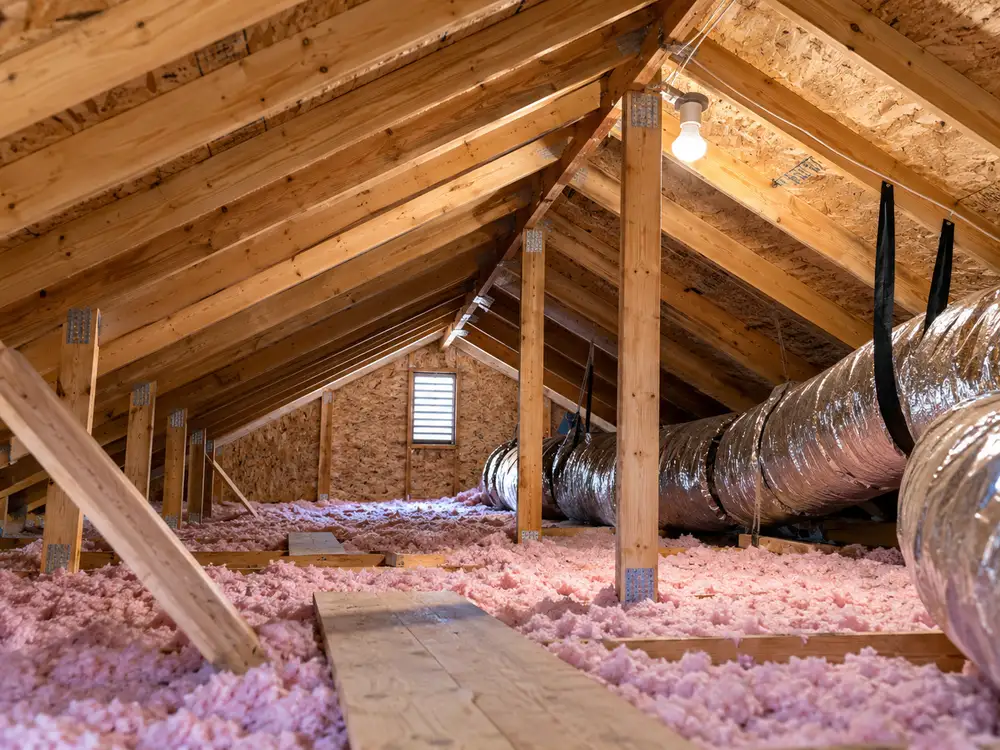
- Identify heat losses. Look for weatherstripping gaps and weak accessible insulation; prioritize improvements based on a home energy assessment rather than guessing a percentage saving.
- Address appropriate leaks and insulation safely. Plan for ventilation and any combustion-appliance needs before sealing large leaks; check attic or wall insulation work against local requirements.
When professional work is needed
- Check duct leakage, hydronic balancing, pump or blower operation, and heat-pump or boiler settings with a qualified service provider.
- Recalculate design heat loss after substantial insulation changes before choosing equipment capacity. Large retrofits should be compared on installed cost and expected savings.
The U.S. Department of Energy’s whole-house weatherization guidance combines insulation, air sealing and HVAC assessment. Safety matters: never block required combustion ventilation, use unvented combustion heaters in unsafe indoor conditions, or run portable heaters against manufacturers’ clearance instructions.
What Should You Check Before Choosing a New Heating System?
Before buying a heating system, check six things: room-by-room heating load, winter design temperature, existing ducts or radiators, local energy rates, model performance at design conditions and the complete installed quote. Use the comparison table below to request matching assumptions and scope from every contractor or equipment supplier.
| Information to collect | What a useful comparison provides |
|---|---|
| Rooms, insulation and local design temperature | Room-by-room design heating load after planned upgrades |
| Existing gas, ducts, radiators or floor loops | Clear compatibility and required distribution changes |
| Heat-pump model and operating points | Actual capacity and input power at winter and expected water/air temperatures |
| Electric and gas bills | Comparable variable rates, account charges and real usage history |
| Domestic hot water and cooling requirements | Separate loads and clearly stated included/excluded services |
| Quotes, warranties and local permissions | Completed scope, electrical capacity, servicing, permits and applicable incentives |
How to compare two installed heating quotes for the same home
Compare the same job, not two equipment price tags. Ask both contractors to use the same heating load and service scope, then look for the following details:
| Both quotes should show | Why it matters |
|---|---|
| Design heat load and local winter design temperature | Confirms they are sizing for the same building and weather |
| Heat output and input at the actual winter operating point | Checks that nameplate capacity is not mistaken for low-temperature delivery |
| Supply-water temperature or supply-air/duct assumptions | Exposes radiator, duct or distribution upgrades |
| Backup source, capacity and control method | Prevents overlooked auxiliary energy and comfort gaps |
| Full installed scope: electrical, ducts/pipes, commissioning, permits | Avoids comparing equipment-only and turnkey prices |
| Annual energy assumptions and maintenance responsibility | Allows meaningful operating-cost and service comparisons |
| Warranty, local service and eligibility for actual incentives | Changes lifetime cost and practical ownership |
For a homeowner, seek site-specific installed quotes from qualified local contractors. For equipment procurement, compare documented products at specified design conditions; equipment supply and local construction services are different scopes.
For homes with radiators or underfloor heating, evaluate Airproz air-to-water space-heating heat pumps against the home’s design heat load and required water temperature. Select the model by checking its documented winter heating capacity, supply-water operating conditions, electrical supply and destination-market requirements.
Frequently Asked Questions About Economical Home Heating
Is a heat pump cheaper to run than natural gas heating?
Not at the rates in our worked example: natural gas costs about $623 a year and a COP-3 heat pump costs $720 for the same useful heat. With gas at $1.40/therm and a 92%-efficient furnace, the heat pump becomes cheaper on variable heating energy below about $0.156/kWh when its COP is 3 and no extra resistance backup is used. Include any fixed charges and cooling value when evaluating overall ownership.
What is the cheapest electric heating for a whole house?
A correctly sized heat pump is usually the cheapest common electric system to run for whole-home heating when its system seasonal COP exceeds 1. Electric baseboards and furnaces can cost less to purchase, but need more electricity to deliver the same heat when a heat pump operates above that seasonal COP.
What is the cheapest way to heat one room without heating the whole house?
For regular heating of one room, a properly sized mini-split heat pump is generally more efficient; for short, occasional use, a portable electric heater may cost less overall because it is inexpensive to buy. Heating only an occupied room can reduce the total load, provided the rest of the home stays warm enough to protect plumbing, moisture-sensitive areas and occupants.
What is the best heating system for cold climates?
A properly sized cold-climate heat pump is a strong all-electric choice when its verified low-temperature output meets the home’s design heating load. A dual-fuel heat-pump-and-gas-furnace system can be more economical when inexpensive gas and an existing furnace favor gas during the coldest hours. Compare documented winter capacity, heating costs at local tariffs and the backup strategy.
Is it cheaper to leave heating on all day?
Usually not when maintaining unnecessary temperatures increases building heat loss. Use an occupancy schedule that preserves comfort, safe minimum temperatures and equipment operating needs. Appropriate setbacks depend on the home’s thermal response and the heating system; poorly configured deep recovery with electric auxiliary heat can offset savings.
How much does heating a house cost per month?
In our worked example, heating energy averages about $125 a month with natural gas, $144 with a heat pump and $432 with electric resistance when the year’s heating demand is spread evenly across five winter months. Your home’s monthly heating-energy cost depends on its heat demand, local energy rates, weather and heating-system efficiency. Use the heating cost calculator with your own values.
Is a heat pump cheaper than oil or propane heating?
A heat pump can cost less to run than oil or propane, especially where delivered fuel prices are high and winter heat-pump performance is strong. Calculate the useful-heat cost of the existing fuel and appliance, then compare it with electricity cost divided by expected seasonal heat-pump performance, including backup energy. Account separately for tank, delivery, installation and service expenses. See the no-gas home scenario.
What is the cheapest heating option for a home without ducts?
A ductless mini-split heat pump is usually the most practical high-efficiency choice for regularly heating and cooling a home without ducts. Size and position indoor units to cover the occupied rooms, and check cold-weather output. For homes already using water-based radiators, an air-to-water heat pump or an efficient existing boiler may better fit the distribution system.
Conclusion: The Best and Most Economical Way to Heat Your Home
Reduce heat loss first, then compare a correctly sized heat pump with the gas, electric or other system actually available to your home using cost per useful heat and full lifetime cost. A heat pump is especially compelling when replacing electric resistance heating or when its heating-and-cooling value and local tariff outweigh the initial price. Gas can remain economical where fuel is inexpensive and existing infrastructure limits replacement costs; cold regions require verified winter capacity and a sensible backup design.
Your next step is practical: collect your energy rates, heating demand, existing system details and local design temperature. Run the worked comparison above, then ask for like-for-like installed quotations with the same comfort and service scope. That is how you find the best heating system for your house rather than relying on a generic cheapest-system ranking.