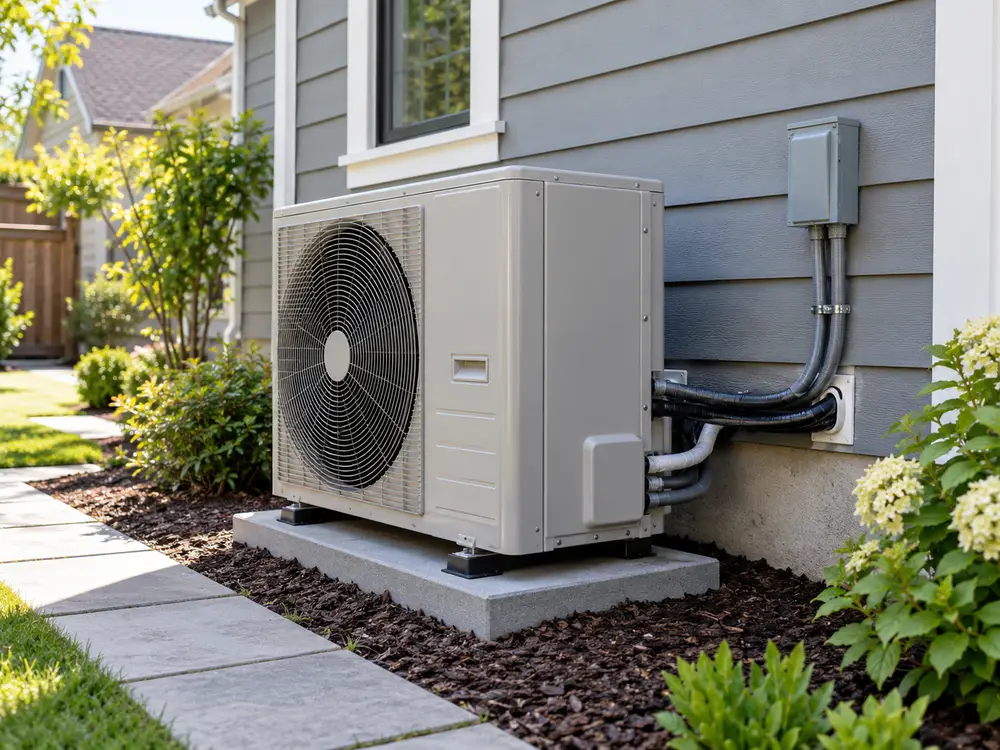
Sourcing air conditioners for the UAE market is not the same as sourcing for temperate climates. When a distributor orders units designed for moderate ambient conditions and deploys them in a Gulf environment, those units may face compressor trips, higher service call rates, or distributor warranty pressure during peak summer.
The difference between a successful shipment and a costly inventory problem often comes down to one specification: the T3 climate class. Selecting a T3 air conditioner supplier for UAE projects is a procurement decision that affects service costs, end-customer satisfaction, and distributor reputation across the entire product lifecycle. This guide covers what T3 means, how to evaluate suppliers, which specifications to check before ordering, and how to avoid common sourcing mistakes in the Gulf market.
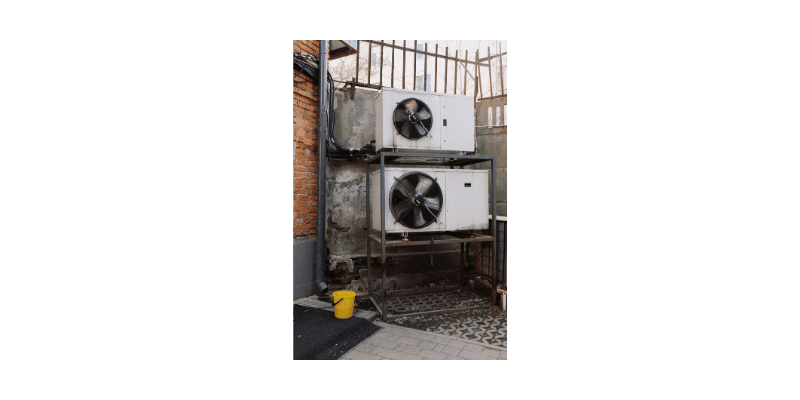
Key Takeaways – T3 climate class is the commonly specified standard for high-ambient UAE applications — not a premium upgrade, but a baseline requirement for Gulf market sourcing. – EER is one of the key efficiency figures buyers should check for UAE air conditioners. Buyers should verify the test conditions used to compare units. – Inverter AC suits UAE’s long daily runtimes, but fixed-speed T3 units remain practical for price-sensitive segments such as worker accommodation. – Confirm documentation, coil coating, voltage, and refrigerant configuration before production — not after goods arrive.
Why UAE Climate Requires a T3 Air Conditioner
The UAE’s operating environment is fundamentally different from the temperate climate zones where many air conditioner factories base their standard product lines. For distributors and project engineers sourcing for Gulf projects, understanding these differences is the first step toward making a reliable specification decision.
High Ambient Temperature and Compressor Load
During peak UAE summer, outdoor temperatures can reach extreme levels. Standard residential-grade compressors are rated for moderate ambient conditions. Under prolonged high-ambient load, units face higher risk of overload trips and warranty pressure. For distributors, this risk is a sourcing decision, not a maintenance issue. The compressor specification written into the purchase order determines whether the units will perform reliably under the operating conditions they will face in the field.
In common air conditioner climate classifications, T1 is generally used for moderate ambient conditions, while T3 is used for high-ambient applications. Buyers should ask the supplier to state the tested outdoor ambient condition in the technical datasheet. Exact rated conditions may vary by applicable standard and manufacturer, so the label alone is not sufficient confirmation.
Long Daily Running Hours in UAE Homes, Hotels, and Commercial Buildings
In many UAE residential, hotel, and commercial applications, air conditioners may run for long daily hours during peak summer season. This is significantly longer than temperate-climate markets in Europe or East Asia. Cumulative runtime accelerates compressor wear and increases the risk of underspecified units. The same unit that performs adequately in a moderate climate may not be reliable in UAE operating conditions.
Coastal Humidity, Salt Air, and Outdoor Unit Corrosion
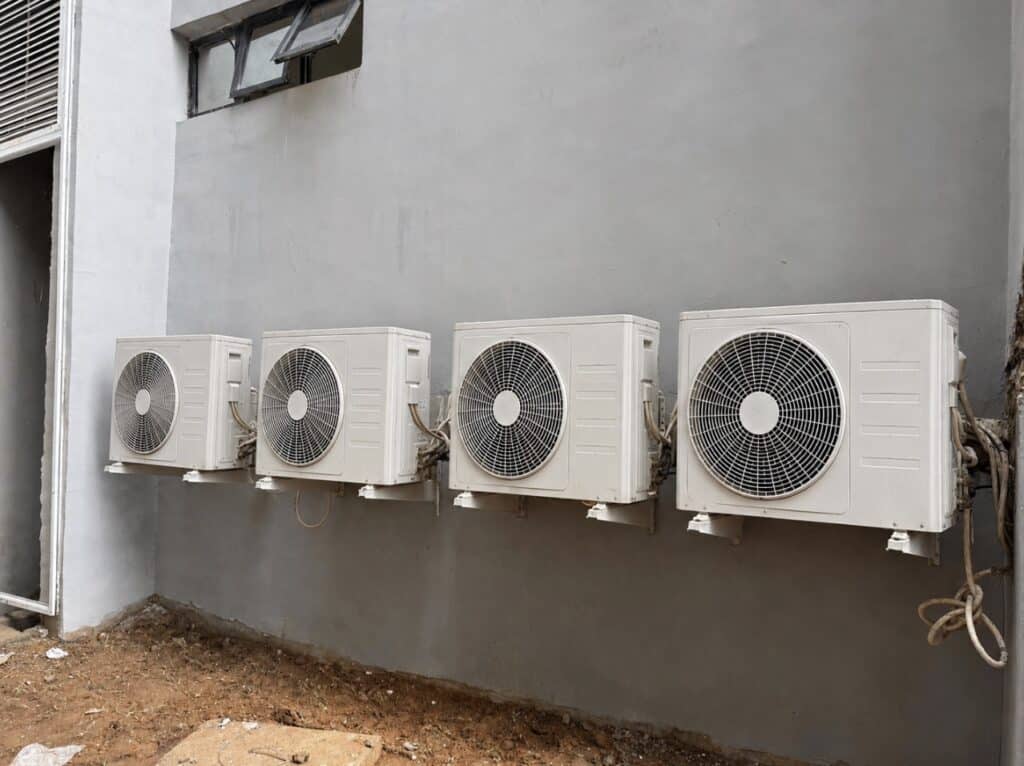
Coastal areas in Dubai, Abu Dhabi, and Sharjah expose outdoor units to salt-laden air. Unprotected coil finstock corrodes faster in these environments than in inland installations. Buyers sourcing for coastal UAE projects should confirm coil coating type with the supplier.
Common sourcing scenario: Many Gulf distributors purchase units without specifying coil coating for coastal projects. Corrosion-related failures in outdoor units then create service and warranty costs that outweigh the initial price saving.
T1 vs T3 Air Conditioner: What UAE Buyers Must Know
Understanding the T1 vs T3 air conditioner differences is the most important technical checkpoint for anyone sourcing cooling equipment for the UAE market. The climate class determines whether the unit is designed for the operating conditions it will face.
| Parameter | T1 Air Conditioner | T3 Air Conditioner |
|---|---|---|
| Climate application | Temperate / moderate climate | High ambient — GCC, Africa, South Asia |
| Typical max outdoor ambient | Moderate conditions | Extreme high-ambient conditions |
| Compressor design | Standard rated conditions | Designed for high-pressure, high-temp operation |
| Buyer risk in UAE | Higher overload and warranty exposure | More suitable for Gulf operating conditions |
| Recommended for UAE projects | High risk for most UAE applications | Commonly specified for high-ambient UAE installations |
What T1 and T3 Climate Classes Mean for a Compressor
Climate class ratings define the maximum outdoor operating temperature at which a manufacturer guarantees the unit will operate within its rated performance envelope. T1 units are designed for temperate climates with peak ambient temperatures around 43°C. T3 units are designed for high-ambient environments and are tested at more demanding outdoor conditions. These climate classes are defined under IEC 60335-2-40, the international standard for heat pumps and air conditioners. For a procurement manager, the distinction is straightforward: the T3 class matches the UAE’s operating environment; the T1 class does not.
When T1 Creates a Liability in Gulf Markets
T1 units may appear cost-competitive at the purchase stage. In UAE operating conditions — long runtimes, high ambient temperatures, coastal humidity — T1 units carry higher risk of overload protection trips, service calls, and warranty claims. A small saving on unit price can quickly be offset by service costs and warranty pressure.
T3 as the Baseline Specification, Not a Premium Upgrade
For UAE distributors, T3 is a baseline sourcing requirement for high-ambient cooling applications. It should be written into the product specification before requesting quotes — not treated as an optional upgrade. Practical advice: add “T3 climate class confirmed” as a required field in your supplier RFQ.
Key Specifications to Check Before Buying a T3 Air Conditioner
Each of the following specifications is a procurement checkpoint. Distributors and engineers can use this section as a supplier briefing checklist.
Compressor Type and High-Ambient Reliability
Scroll compressors and rotary compressors are the two main types used in residential and light commercial air conditioners. Larger-capacity units typically use scroll compressors; smaller residential units use rotary compressors. For high-ambient UAE applications, ask the supplier for compressor performance data at rated high-ambient conditions rather than assuming one type is always superior to the other.
Refrigerant Choice — R32 vs R410A for the Gulf Market
R32 is increasingly preferred for new air conditioner for high ambient temperature projects because of its lower Global Warming Potential compared with R410A. It is also available across most current inverter AC platforms. However, R410A may still be used in some price-sensitive or legacy replacement markets. Buyers should confirm local refrigerant compliance, availability of service technicians familiar with R32, and after-sales parts supply before ordering.
EER Rating and Real Operating Cost in UAE Conditions
An air conditioner EER rating explained simply: EER, or Energy Efficiency Ratio, is one of the key efficiency figures buyers should check when comparing UAE air conditioners. It measures cooling output against power input at a rated test condition. Because test conditions and applicable UAE energy labelling requirements may vary by product type and capacity, importers should confirm the latest requirements — including those under the UAE Energy Efficiency Standards & Labelling Programme — with their local import agent, certification body, or manufacturer before ordering. Do not compare EER figures from different suppliers unless the rated test conditions are clearly stated and comparable.
Condenser Coil Coating for UAE and Coastal Installations
Multiple coating types exist: Blue Fin, Gold Fin, epoxy, hydrophilic coating, and others. Coating performance varies by supplier and manufacturing standard — the name alone does not guarantee quality. For coastal UAE projects, buyers should request coating specification documents and salt-spray test data from the supplier.
Voltage, Frequency, and UAE Market Compatibility
For UAE projects, buyers commonly need 220–240V / 50Hz configurations, but the exact electrical requirement should still be confirmed against the project specification before production. Some manufacturers default to 60Hz configurations for other export markets, so buyers sourcing from factories that serve multiple destinations should confirm this in writing before production begins.
Inverter vs Fixed-Speed AC for UAE: Which Is Better for Distributors?
The inverter air conditioner vs fixed speed AC decision affects product line planning, end-customer segments, and distributor margin structure. Both have a place depending on the application.
| Factor | Inverter AC | Fixed-Speed AC |
|---|---|---|
| Energy performance | More efficient under long daily runtimes — actual savings depend on sizing, runtime, and usage pattern | Baseline — on/off cycling under full load |
| UAE peak-hour performance | Adapts compressor speed to load | Operates at fixed capacity |
| Initial procurement cost | Higher | Lower |
| Best-fit end application | Villas, hotels, long-runtime residential, offices | Worker camps, budget apartments, price-sensitive markets |
| Distributor margin profile | Higher selling price, differentiated product story | Volume-driven, price competition |
Why Inverter AC Suits UAE’s Long Daily Runtime
Variable-speed compressors maintain temperature more consistently under prolonged operation. They reduce start/stop cycling under sustained load conditions. This makes inverter AC particularly suited to UAE residential, hotel, and office applications where cooling runs continuously. Actual energy savings depend on unit sizing, daily runtime, set temperature, and installation quality.
When Fixed-Speed Makes Business Sense for Gulf Distributors
Worker accommodation projects, budget apartment buildings, and retail stores with intermittent occupancy are segments where fixed-speed AC remains practical. In these applications, T3 compliance matters more than inverter technology. Fixed-speed units at lower price points with confirmed T3 climate-class documentation can be a competitive product offering.
Matching AC Type to Your End Customer in the UAE Market
Distributors serving multiple customer segments should consider carrying both types. Villas and hotels benefit from inverter AC with higher EER and anti-corrosion coil options. Worker camps and budget residential projects are well served by T3 fixed-speed units with price-competitive pricing and reliable after-sales parts availability. This is product line planning, not a single right answer.
Best Air Conditioner Types for UAE Homes and Commercial Projects
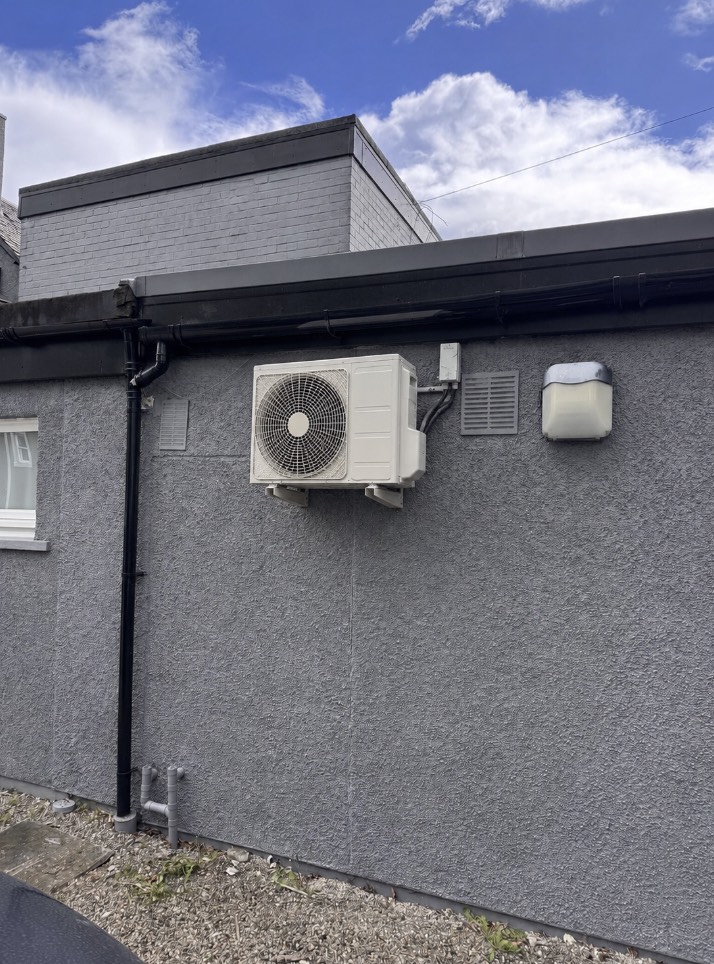
Wall-Mounted Split AC for Apartments, Small Offices, and Retail Units
Wall-mounted split ACs are the most widely deployed unit type in the UAE market. T3-rated split ACs cover the majority of residential and light commercial applications. They are available in both inverter and fixed-speed configurations.
Floor-Standing AC for Larger Rooms and Commercial Spaces
Floor-standing units are suited to open-plan retail, restaurants, and showrooms. They offer higher capacity range with no wall structural requirements. They are less common but important for specific commercial project types.
Ducted and Cassette AC for Hotels, Offices, and Retail Projects
Ducted and cassette ACs are preferred for commercial projects requiring concealed installation and even air distribution. Engineers need to specify duct sizing and static pressure requirements at the project design stage. Buyers sourcing for commercial projects should confirm whether the supplier can provide full documentation for MEP coordination.
Solar-Compatible AC Options for High-Electricity-Cost Markets
Solar-compatible AC is a growing segment in the Gulf, particularly for off-grid or solar-supplemented installations. It is relevant for worker accommodation sites, rural commercial projects, and energy-conscious developers. When sourcing solar-compatible units, buyers should confirm the following procurement checkpoints with the supplier:
- Input configuration — whether the unit supports AC input only, DC input only, or hybrid AC/DC operation
- PV voltage range — the compatible solar panel voltage range and whether it matches the planned PV system output
- Inverter compatibility — which inverter types and brands the unit is tested and compatible with
- Backup grid operation — whether the unit can switch to grid power automatically during periods of low solar generation
Heat Pump vs Solar Water Heater: Which Is Better for UAE Homes and Projects 2026?
UAE Air Conditioner Buyer Checklist for Importers and OEM Buyers
Before placing a bulk order with any T3 AC supplier for UAE or Gulf projects, importers and OEM buyers should confirm the following points in writing.
- T3 climate class confirmed — Request written documentation from the factory. Verbal confirmation is not sufficient for a formal purchase order.
- EER rating under rated conditions verified — Ask what test conditions were used. Do not compare EER figures from different suppliers unless the rated test conditions are clearly stated and comparable.
- Refrigerant type and charge volume specified — Confirm R32 or R410A, charge weight, and local service technician availability in the destination market.
- Voltage and frequency confirmed as 220–240V / 50Hz — Do not assume. Confirm in writing before production begins.
- Coil coating type and specification documented — For coastal UAE projects, request salt-spray test data, not just a coating name.
- Destination-market conformity documents available — UAE energy labelling and conformity documents for UAE distribution. SASO certification only if goods will also be distributed in Saudi Arabia. CE marking if re-exporting to European markets.
- MOQ and lead time confirmed — Plan 90–120 days before UAE peak season (May–September). Factory production capacity can tighten before the Gulf cooling season as regional orders accumulate.
- OEM / private label packaging available — Confirm artwork submission requirements and packaging lead time separately from unit production lead time.
- Spare parts policy confirmed — Ask specifically about compressor, PCB controller, and expansion valve availability and lead time for after-sales support.
- Installation and technical manuals available in English — Required for installer teams and end-customer documentation in most UAE commercial projects.
Common Mistakes When Sourcing AC Units for the Gulf Market
Choosing T1 Units Because They Are Cheaper
The price difference between T1 and T3 units is often smaller than buyers expect. The risk is disproportionate: underspecified units in high-ambient UAE conditions create service calls, warranty claims, and distributor reputation damage. A small saving on unit price can quickly be offset by service costs and warranty pressure.
Ignoring EER and Comparing Only Cooling Capacity
Cooling capacity (BTU/hr or kW) tells you how much the unit can cool. EER tells you how much electricity it takes to deliver that cooling. In UAE long-runtime conditions, EER directly affects the end user’s electricity bill and the distributor’s product reputation. Buyers who compare only capacity and price are missing a key procurement variable.
Forgetting Anti-Corrosion Protection for Coastal Projects
Coastal areas in Dubai, Abu Dhabi, and Sharjah accelerate coil corrosion. Distributors who do not specify coil coating for coastal projects often see early outdoor unit failures. Prevention: add coil coating specification to the RFQ as a mandatory field, not an optional upgrade.
Not Confirming Technical and Conformity Documents Before Shipment
Destination-market conformity documents should be confirmed at the Proforma Invoice stage, not after goods arrive. Missing documents can delay customs clearance, slow project delivery, and damage distributor relationships. Make document availability a precondition in the purchase order terms.
Underestimating Lead Time Before UAE Peak Season
UAE cooling demand peaks May through September. Factory production capacity can tighten before the Gulf cooling season as regional orders accumulate. Buyers who begin sourcing too close to peak season may struggle to receive goods in time. Recommended: begin procurement planning 90–120 days before the target delivery date.
How to Choose a T3 Air Conditioner Supplier for UAE and Gulf Projects
For UAE distributors, project contractors, and OEM buyers, working directly with a manufacturer that understands Gulf market requirements reduces specification risk, simplifies documentation, and improves order reliability. Airproz supplies T3-rated air conditioners for Middle East markets as standard product line items, with OEM packaging and documentation support available. When comparing any T3 air conditioner supplier for UAE Gulf projects, the following questions help identify suppliers with genuine experience in high-ambient export markets.
- Does the supplier offer T3-rated units as standard product line items, or only on special request?
- Can they provide destination-market conformity documents proactively — including UAE energy labelling documents and Saudi Arabia distribution documentation where applicable?
- Do they support OEM or private label packaging, including multilingual manuals and branded packaging?
- What is their standard MOQ and production lead time for Gulf market orders?
- Do they stock R32 units as a default configuration, or still primarily offer R410A?
- Can they provide English-language technical files, wiring diagrams, and installation manuals as part of the standard order package?
- Do they have experience shipping to UAE, Saudi Arabia, or other GCC destinations — and can they advise on shipping documentation requirements?
For a broader overview of sourcing heat pump and air conditioning products from B2B manufacturers, see the Airproz B2B Buying Guide.
If you are comparing T3 air conditioner suppliers for an upcoming UAE or Gulf order, Airproz can help review product specifications, OEM packaging options, documentation requirements, MOQ, and lead time before you commit to a bulk order.
Frequently Asked Questions
Q1: What is a T3 air conditioner?
A T3 air conditioner is classified under the T3 climate category, meaning it is designed and tested to operate reliably under high-ambient outdoor conditions. T3 units are commonly specified for markets such as the UAE, GCC, parts of Africa, and South Asia where peak outdoor temperatures during summer can reach extreme levels. They differ from T1 units, which are rated for moderate climates.
Q2: Is a T3-rated AC necessary in the UAE?
For most UAE applications, T3 is the commonly specified climate class. UAE peak summer conditions — high outdoor temperatures combined with long daily operating hours — create significant stress on air conditioning compressors. Units that are not designed for high-ambient operation carry higher risk of overload trips, increased service requirements, and warranty pressure for distributors.
Q3: What is the difference between T1 and T3 air conditioners?
T1 units are designed for temperate climates with lower peak ambient temperatures. T3 units are engineered for high-ambient environments and tested at more demanding outdoor conditions. In the UAE context, T1 is not a cost-saving alternative — it is a specification that does not match the operating environment, which creates procurement and warranty risk for distributors.
Q4: Is inverter AC better for UAE homes and commercial projects?
For most UAE applications — residential villas, hotels, offices — inverter air conditioners are preferred because of long daily runtimes. Variable-speed compressors maintain temperature more consistently and consume less energy under prolonged operation compared with fixed-speed units. Actual energy savings depend on unit sizing, daily runtime, set temperature, and installation quality. Fixed-speed T3 units remain practical for price-sensitive projects such as worker accommodation.
Q5: Which refrigerant is better for UAE air conditioners — R32 or R410A?
R32 is increasingly preferred for new projects because of its lower Global Warming Potential compared with R410A and its strong availability in current inverter AC platforms. However, R410A continues to be used in some markets due to price, existing service infrastructure, or legacy product lines. Buyers should confirm local refrigerant compliance requirements and after-sales service technician availability before specifying a refrigerant for a bulk order.
Q6: What EER rating should UAE buyers check?
EER — Energy Efficiency Ratio — remains an important efficiency figure for buyers comparing UAE air conditioners. A higher EER means the unit delivers more cooling per unit of electricity consumed. Buyers should verify the test conditions under which the EER figure was measured and not compare EER figures from different suppliers unless the rated test conditions are clearly stated and comparable. For the latest UAE energy labelling requirements applicable to the specific AC type and capacity, confirm with your local import agent or the manufacturer before ordering.
Q7: Can I order private label T3 air conditioners from China for the UAE market?
Yes. Many OEM manufacturers supply T3-rated air conditioners with private label support, including custom branding, multilingual manuals, and export packaging. Before ordering, confirm: T3 climate-class documentation, correct voltage and frequency configuration (220–240V / 50Hz for UAE), coil coating specification for coastal installations, and destination-market conformity documents. If goods will also be distributed in Saudi Arabia, confirm SASO documentation availability separately with the supplier.
Q8: What documents should UAE importers request before shipment?
Key documents to request before shipment: T3 climate-class documentation, EER test report with rated test conditions stated, refrigerant type and charge volume specification, voltage and frequency confirmation, coil coating specification and salt-spray test data for coastal projects, UAE energy labelling and conformity documents, CE marking if re-exporting to European markets, and English-language installation and technical manuals.
If you are sourcing hot water systems alongside air conditioning for UAE hotel or commercial projects, see our guide on commercial heat pump water heaters for UAE.
Planning a UAE or GCC air conditioner order? Share your target capacity, refrigerant preference, order quantity, branding needs, and destination market. Airproz can help you compare T3-rated split AC, inverter and fixed-speed options, OEM packaging, documentation, MOQ, and lead time before bulk sourcing.