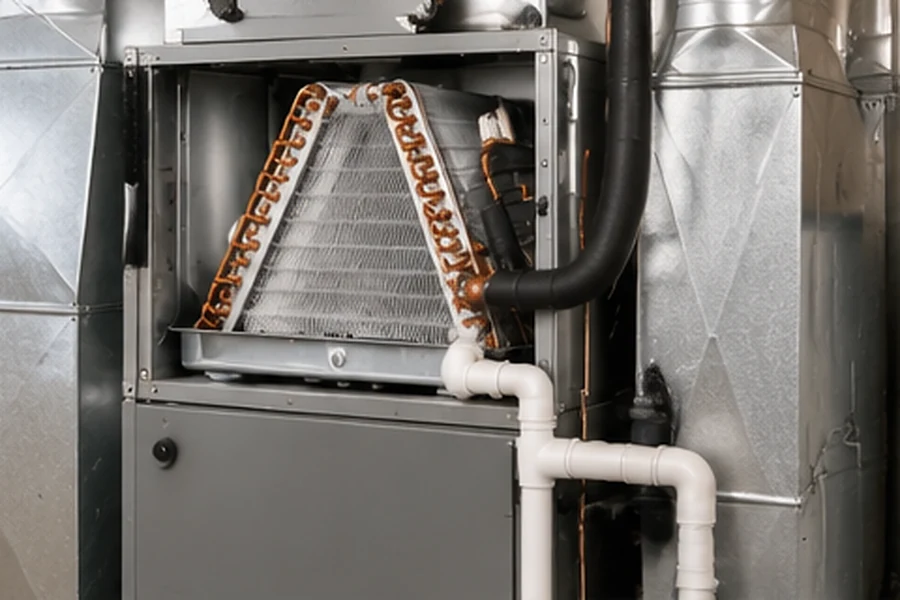
If your air conditioner is not turning on, start with the thermostat, power supply and normal startup delay. Set the thermostat to COOL and below the room temperature, replace its batteries if the model uses them, and check whether the indoor and outdoor units have power. If the system still does not start, the next step depends on which part is silent: the thermostat, indoor blower, outdoor fan or compressor.
A tripped breaker, faulty control, condensate safety switch, capacitor or motor can stop an AC from starting. Check settings and visible conditions first, then use the combination of symptoms to choose the next check. A technician can confirm a suspected component fault with the proper tests. Stop and request qualified help for repeated breaker trips, burning smells, sparking, severe buzzing, water near electrical parts or exposed wiring. Do not open equipment panels or keep trying to restart a struggling motor.
Start with your symptom. Use the table below to find the matching next check and the section that explains it. This guide focuses on central split air conditioners. Ductless mini-splits may use a remote or fault-code display. Window and portable units may have a power-cord safety device rather than separate indoor and outdoor circuits. Use the instructions for your exact model.
Why Is My Air Conditioner Not Turning On?
An air conditioner will not turn on when it has no cooling request, lacks the power needed to run, is waiting for a protection delay, has shut down on a safety device, or has a failed electrical or mechanical component. The fastest way to narrow it down is to notice what is still working.
| What you notice | More likely area to check | Best next action |
|---|---|---|
| Thermostat screen is blank; nothing runs | Thermostat batteries, indoor-unit power or controls | Owner check: Replace batteries if fitted and check accessible power status. Professional service: If still blank. Check the thermostat steps. |
| Thermostat shows COOL, but nothing starts | Delay, control request, power, safety or communication fault | Owner check: Confirm COOL, the setpoint and the model’s delay. Professional service: If no start follows. Follow the COOL display checks. |
| Indoor blower runs, but outside unit stays silent | Outdoor power, delayed start, safety lockout, contactor or outdoor control | Owner check: Confirm cooling is requested and note the delay. Professional service: If the outdoor unit remains off. See outdoor-unit checks. |
| Outdoor unit hums but the fan does not turn | Fan motor, capacitor or electrical problem | Owner action: Turn cooling off; do not move the blade or retry. Professional service: Diagnose the sound and start circuit. Read about humming. |
| Breaker has tripped or trips again | Electrical overload, short or failed component | Owner action: Leave the circuit off; do not keep resetting it. Professional service: Inspect the fault. See breaker safety steps. |
| AC stopped after a power outage | Power restoration, control restart, startup delay or surge-related fault | Owner check: Confirm normal power and wait as the manual directs. Professional service: For a tripped breaker, damage or persistent fault. Follow outage checks. |
| Water near the indoor unit and AC won’t start | Drainage fault or condensate safety shutoff on equipped systems | Owner action: Stop cooling if water threatens electrics; do not bypass protection. Professional service: Inspect drainage and the switch. See drain shutoff explanation. |
Use these visible clues to select the next check. For example, the indoor fan can move air in FAN ON mode while the outdoor cooling system remains stopped. A blank thermostat can also point to lost air-handler control power, so check the available power information before arranging a thermostat replacement.
What Should You Check First When Your AC Will Not Turn On?
Check the cooling request, wait for any normal delay, then observe power and safety signs without opening the equipment. Use this order for a typical home central air conditioner. A ductless mini-split may use a remote, error-code display or different control logic; follow its model manual instead of assuming it has the same wall thermostat and breakers.
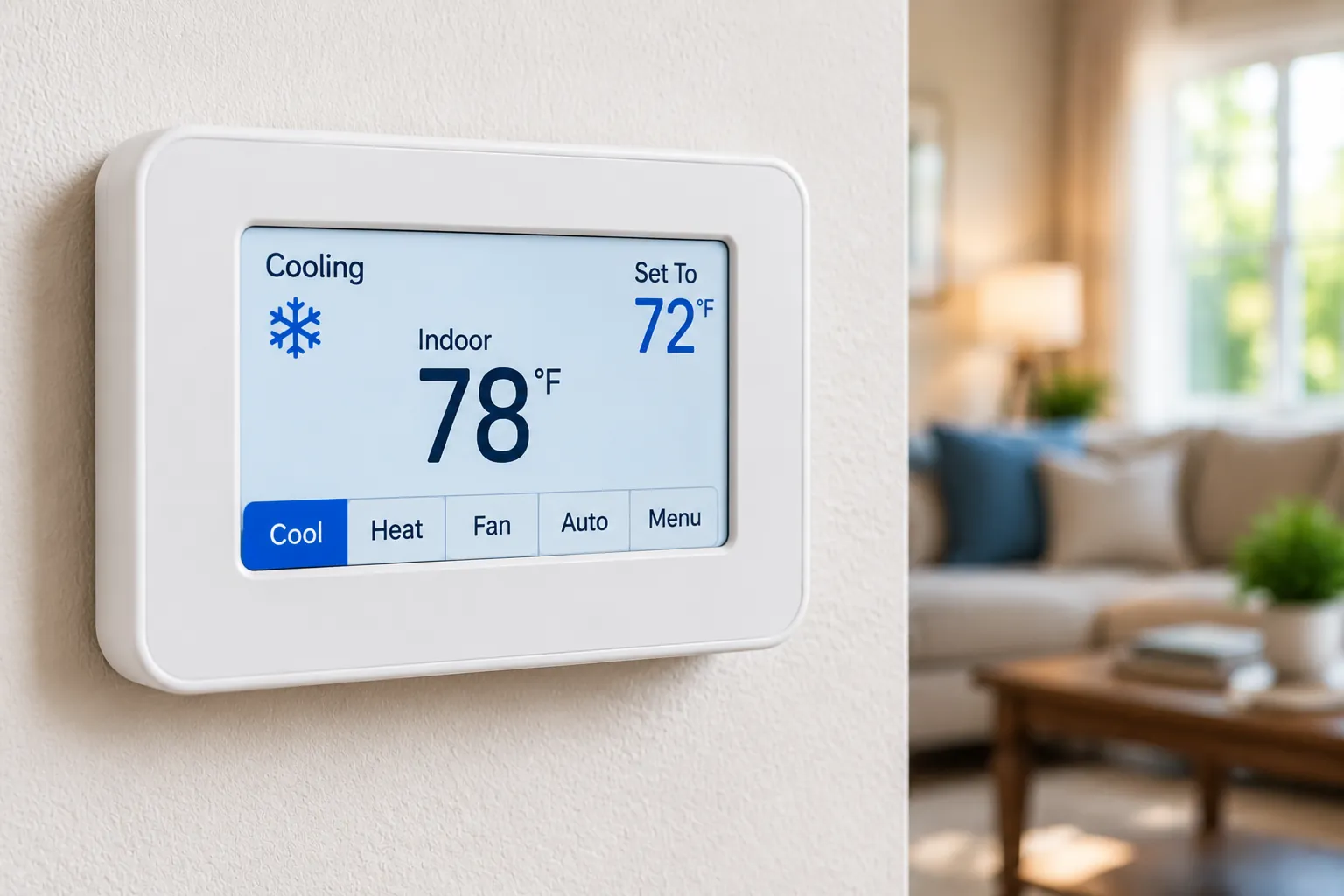
- Make a real cooling request. Select COOL, not HEAT or OFF. Set the target below the current room temperature shown on the thermostat. Review schedules, vacation mode or a smart-home setting that might be holding cooling off. A thermostat set to FAN ON can run the indoor fan without calling for cooling.
- Check the thermostat screen. If blank and the model uses replaceable batteries, install the specified fresh batteries in the correct direction. If it is powered by the HVAC system, a blank screen can also indicate lost indoor control power. Do not remove wires to test it.
- Allow the normal startup delay. Some thermostats flash COOL ON or show WAIT to protect the compressor after a stop or power interruption. Follow the waiting period in your thermostat and AC instructions rather than cycling the system repeatedly.
- Observe power from accessible controls. Check whether power is out elsewhere, and whether a clearly identified indoor-unit service switch was accidentally left OFF. Look at the labelled indoor and outdoor AC breaker positions from the normal electrical panel cover. If a breaker is tripped, leave it off and arrange qualified diagnosis; do not repeatedly reset it. Do not open the disconnect box, cabinet or electrical panel cover.
- Check after recent filter replacement or service. On some air handlers, a removable blower cover must be seated correctly to hold a door safety switch closed. If the problem began after maintenance, check only an owner-accessible cover as your manual directs. Never open sealed panels, reach inside or bypass a door switch.
- Check visible airflow and water conditions. Inspect an accessible filter according to the manual, and look for blocked return grilles, water in an accessible area or visible ice. A clogged filter may contribute to an overheating or frozen system, but it usually does not directly remove electrical power. Stop cooling if there is ice or unsafe water.
- Record the result. Note what you checked and whether anything changed. If the unit still does not start, use the short service handoff checklist below when you contact the technician.
You can also use the ENERGY STAR HVAC maintenance checklist to distinguish normal filter care from drain, electrical and control checks that belong in professional maintenance.
Why Does My Thermostat Say COOL but My AC Does Not Start?
A thermostat can show COOL while the AC stays off because the selected temperature has not created a cooling request, a compressor-protection delay is active, or a power, wiring or safety fault is blocking startup. First confirm the room temperature is above the COOL setting and allow the model’s stated delay. If the AC still does not respond, the control signal and equipment power need further checking.
Blank thermostat versus a powered thermostat
A blank thermostat points first toward missing battery or control power; a lit thermostat screen only confirms that its display has power. Replace batteries if the model uses them. On a hardwired thermostat, the indoor equipment may supply power, so a blank screen may point to an indoor service switch, a tripped circuit or a control-power fault. If the display works but cooling does not start, check the requested temperature and delay before a technician traces the cooling command.
Flashing COOL ON, WAIT, or no response
On thermostats that use these messages, a flashing COOL ON or WAIT usually means cooling is temporarily held off by a compressor-protection delay. This can follow an outage, a recent stop or a setting change. Some Honeywell Home/Resideo models use about a five-minute delay; follow the waiting period stated for your exact thermostat. If the message clears but the AC still does not start, record that result for the technician. The Honeywell thermostat troubleshooting guide describes common blank-screen and compressor-delay checks.
What if the thermostat was just replaced?
If the AC stopped working immediately after a thermostat change, the new controller may be set for the wrong system type or may be incompatible with the equipment. A wired central system, communicating controller and mini-split remote do not use the same connection method. Give the installer the thermostat model, equipment model and the date of the change. Do not guess wire functions by color or move conductors while the unit is powered.
For a conventional low-voltage heat pump, our heat pump thermostat wiring guide explains common control terminals and compatibility checks. Use the actual equipment instructions before any wiring is changed; communicating systems and mini-splits may require different controls.
Why Is the Outside AC Unit Not Running When the Indoor Fan Works?
If the indoor blower runs but the outside AC unit does not, the system may have an outdoor-only power or control problem, a safety lockout or a normal start delay. Start by confirming that the thermostat is calling for cooling, not just running FAN ON. If the outdoor unit remains still after the specified delay, it needs further diagnosis.
Central split systems usually have separate power paths to the indoor air handler and outdoor condenser. That is why airflow can continue indoors even when the outdoor fan and compressor are off. You may see a nearby outdoor disconnect, but do not open or pull it to test voltage. A missing or switched-off disconnect is useful information for the service visit, not a reason to touch exposed electrical connections.
A blocked drain can stop cooling even when the electrical supply is normal. As the air conditioner removes moisture, water collects in a drain pan and should flow away through a drain line. If that line blocks, water may rise and trigger a float switch—a safety device that helps prevent overflow. On some systems the switch stops the cooling request; on others, the exact shutdown depends on wiring and equipment design. The DOE Building America guide to condensate pans describes drain protection and water-level shutoff devices. If water is visible near the air handler, report it and never bridge the float switch to make the outside unit run.
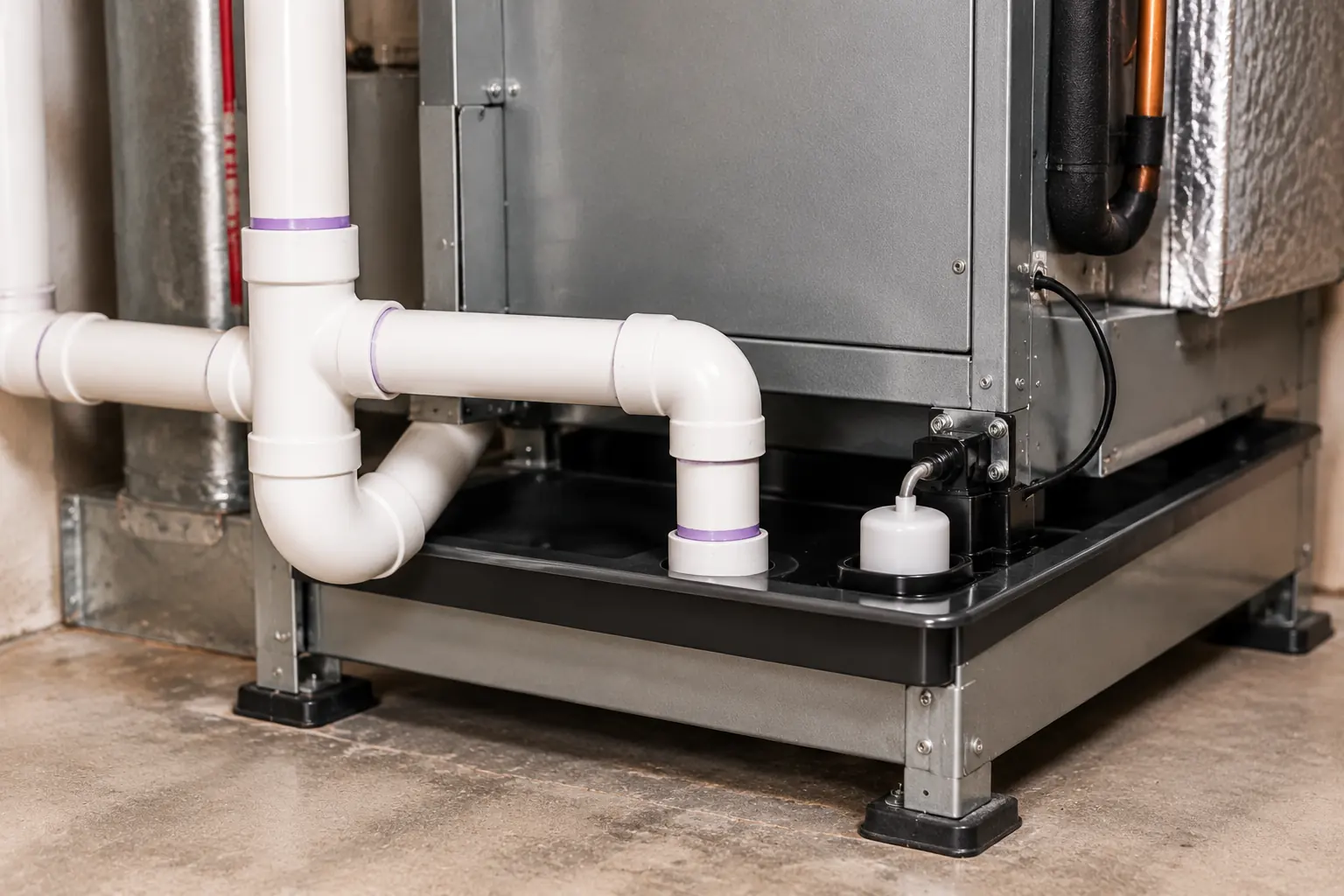
A qualified technician can then determine whether the cooling call reaches the outdoor controls, whether power is present, and whether a protective device or failed component is preventing start. If the indoor fan runs but the room stays warm, first confirm the outdoor cooling system starts. Broader cooling-performance checks apply once the system can run.
Why Is My Air Conditioner Fan Not Spinning?
An indoor or outdoor AC fan may not spin because cooling is not being requested, a startup delay or safety control has stopped it, power is missing, or the fan motor or its control has failed. First identify whether the stopped fan is the indoor blower or the outdoor condenser fan. Their different jobs and power paths change what should be checked next.
| Fan that is stopped | What you may notice | What to do |
|---|---|---|
| Indoor blower | No air comes from vents even when cooling is requested; outdoor unit may or may not operate | Check the thermostat setting and accessible filter; call for service if airflow stays absent |
| Outdoor condenser fan | Indoor air moves but outside fan is still; outdoor unit may be quiet or humming | After the normal delay, turn cooling off if the fan does not start or the unit makes an abnormal sound; arrange service |
| Both fans | No airflow inside and no outdoor activity | Check thermostat demand and observable power status before treating either motor as failed |
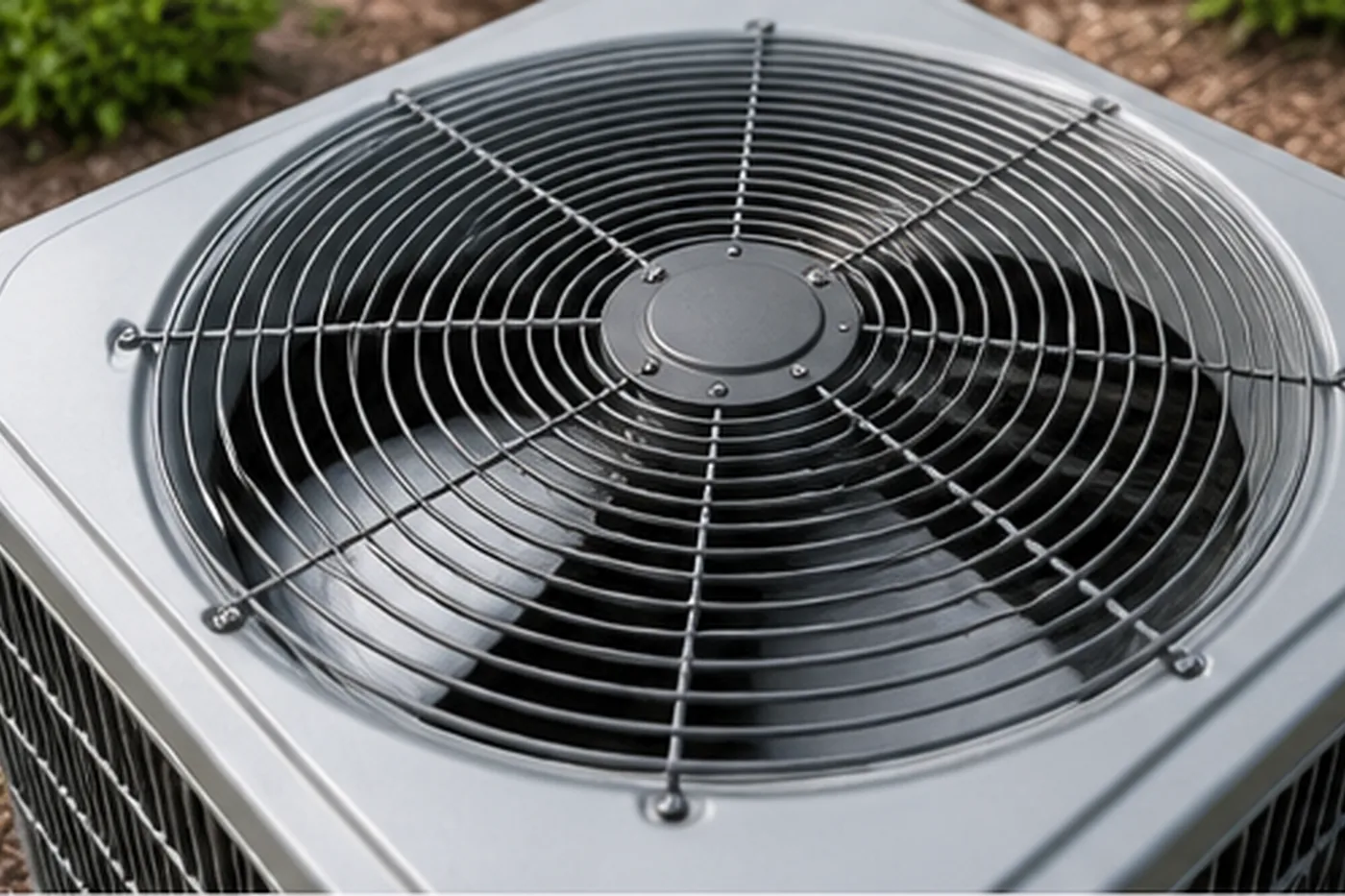
An outdoor fan that has stopped while the compressor is trying to run can lead to overheating and protective shutdown. Do not push a fan blade with a stick, open the grille, or attempt to jump-start a motor. A technician must check the motor, capacitor where fitted, power and control circuit under the manufacturer’s procedure. Variable-speed and inverter systems may use different electronics from older single-speed capacitor-motor systems.
Why Is the AC Compressor Not Turning On, or Why Does the Unit Hum?
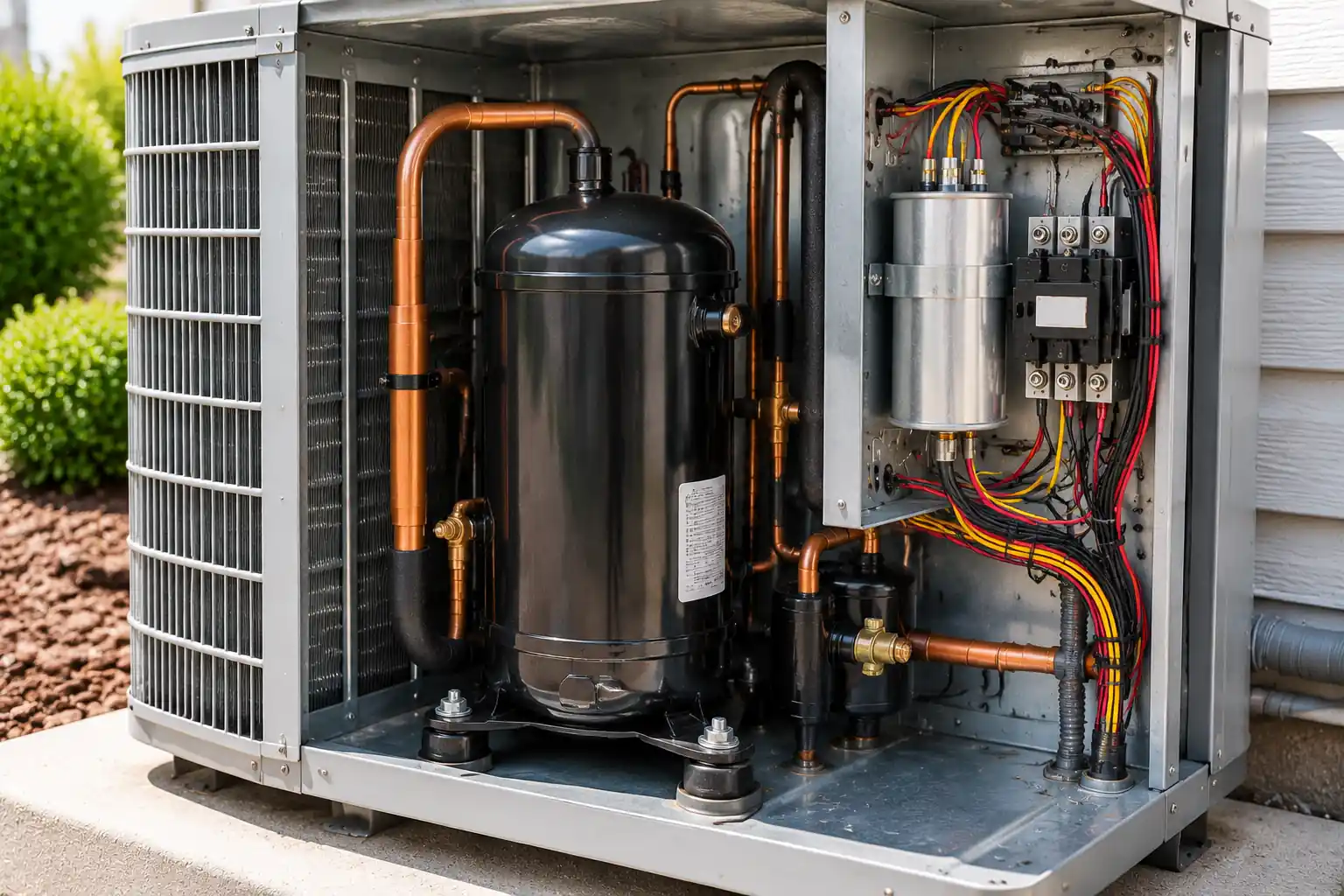
An AC compressor may not start when the cooling command or power is missing, a safety control blocks startup, or the motor or its starting components cannot operate. A hum may come from a contactor, fan motor or compressor, so its source needs to be identified. If the outdoor unit hums abnormally but does not start, turn cooling off and arrange professional diagnosis rather than making repeated start attempts.
Capacitor, contactor and motor problems
On systems that use these parts, a failed capacitor can prevent a motor from starting, a faulty contactor can interrupt power, and a failed fan or compressor motor may stay still or hum. A motor capacitor supports the electrical conditions some motors need to start or keep running. A contactor is an electrical switch that supplies power to outdoor components when commanded. Damaged wiring or a control fault can cause similar symptoms, so a technician should test the starting circuit and motor before selecting a replacement. Capacitors can hold dangerous charge after power is switched off; leave electrical service to qualified people.
Safety controls and refrigerant-related shutdowns
Some air conditioners will not allow the compressor to start when a control reports an unsafe condition. A pressure switch, sensor error, overheating protection or control-board fault may be involved, depending on the model. A low-pressure protection event may involve refrigerant loss or another operating problem. A technician should confirm the fault indication, check the operating conditions and identify the cause before deciding whether refrigerant service is needed.
An inverter drive is the electronic control that changes the speed of a compatible compressor motor. Its starting sequence and fault checks differ from those of a fixed-speed unit. A technician needs the correct service manual and fault codes rather than assuming every system has a replaceable start capacitor.
If the compressor does start and the system still does not cool, that moves the diagnosis from a no-start problem to a cooling-performance problem.
Why Does the Air Conditioner Circuit Breaker Keep Tripping?
A breaker that keeps tripping usually points to an electrical condition that must be diagnosed, such as excess current, a short, damaged wiring or a failing motor or compressor. The breaker is there to interrupt unsafe current. Resetting it repeatedly can make damage or a fire hazard worse.
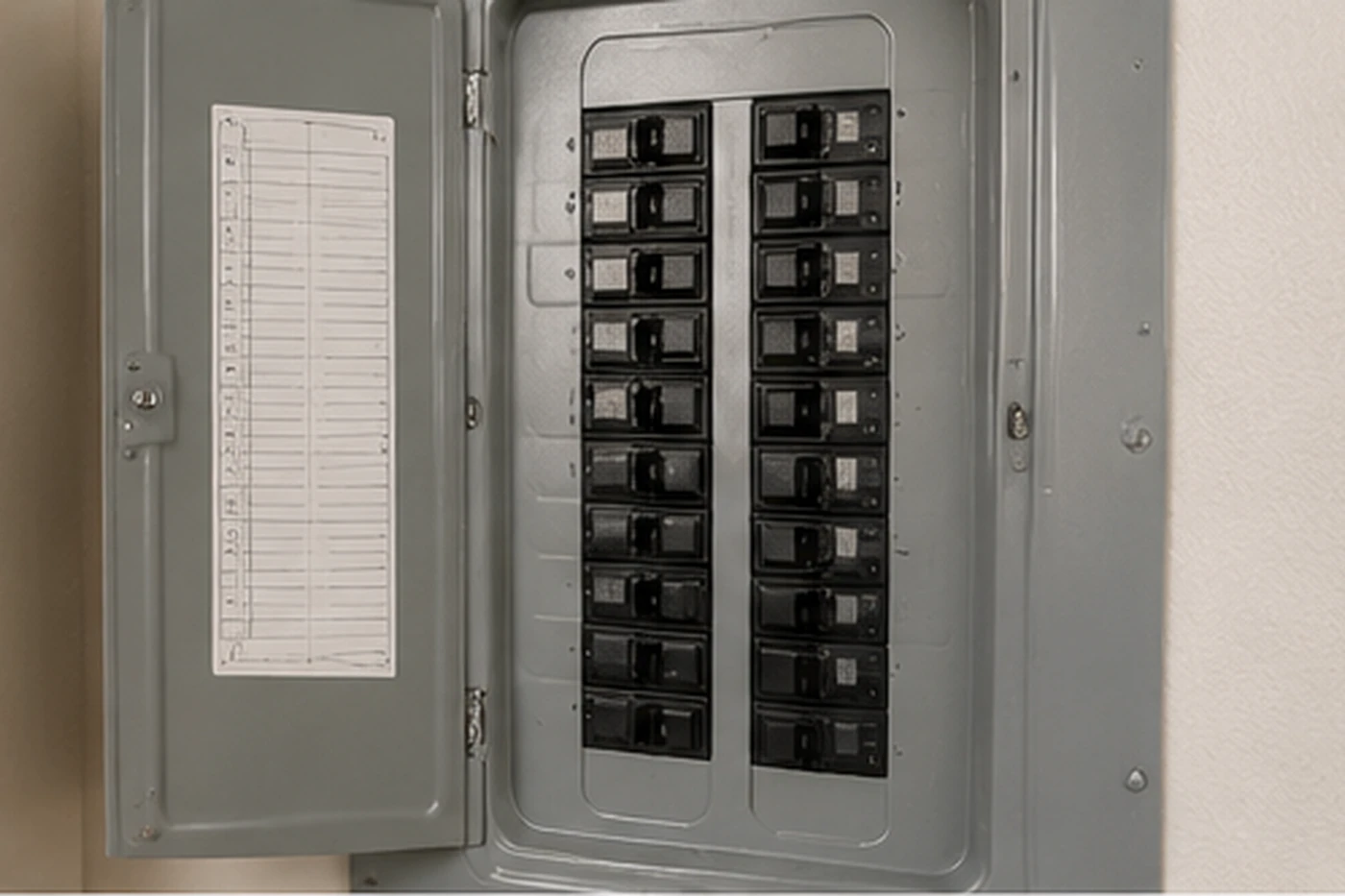
You may read the labelled breaker position without removing the electrical panel cover. If you find a tripped AC or air-handler breaker, leave the circuit off and contact an HVAC technician or qualified electrician. Tell them if the trip happened at startup, after a few minutes of running, during a thunderstorm or immediately when power returned. The timing helps the technician choose relevant starting-current, running-current, wiring and protection checks.
A professional may inspect the electrical connections, protection rating, motor starting current, fan and compressor condition and whether the supply is correct for the equipment. Replacing a breaker with a larger one or bypassing protection is not a safe fix. If you smell burning, see damage or hear arcing, stop using the unit and seek urgent qualified help.
Why Is the Air Conditioner Not Working After a Power Outage?
After a power outage, the AC may be waiting for normal power and control restart, or it may have lost power at a breaker, switch or protective device. Room lights can return while the AC’s indoor or outdoor power and controls still need to recover or be checked.
- Confirm the supply has recovered. Check ordinary lights and other powered devices without touching damaged outlets, wiring or flooded equipment. A partial building power fault can affect HVAC circuits differently from room lighting.
- Look at the normal controls. Confirm the thermostat has restarted and is set to COOL below room temperature. If it uses replaceable batteries, check them. Read any error message.
- Give the controller its specified delay. A model may hold off compressor operation after loss of power. Follow its manual rather than switching the breakers on and off to force a faster start.
- Note any tripped breaker or persistent error. If a breaker is tripped, the display remains blank, the outdoor unit does not respond after the permitted delay, or a warning persists, arrange qualified service.
If the unit has experienced repeated voltage interruptions, tell the technician when each failure occurred. The service check should include the affected circuit, power quality, protective devices and control board before any replacement part is selected.
Why Does My AC Have No Power Even When the Breaker Looks Normal?
Your AC can appear to have no power with the breaker handle ON because the indoor and outdoor units may have separate supplies, a service switch may be off, or a control or safety circuit may have opened. A failed low-voltage control supply, outdoor disconnect issue, wiring fault or electronic board can leave one part of the system unpowered.
Compare the visible symptoms: if the thermostat is blank and the indoor blower is off, indoor power and controls deserve attention; if the indoor blower works but the outdoor unit stays silent, focus the service request on the outdoor supply, control call and safeties. Some condensate systems cut cooling because a drain pan is full; that is not the same as losing building power.
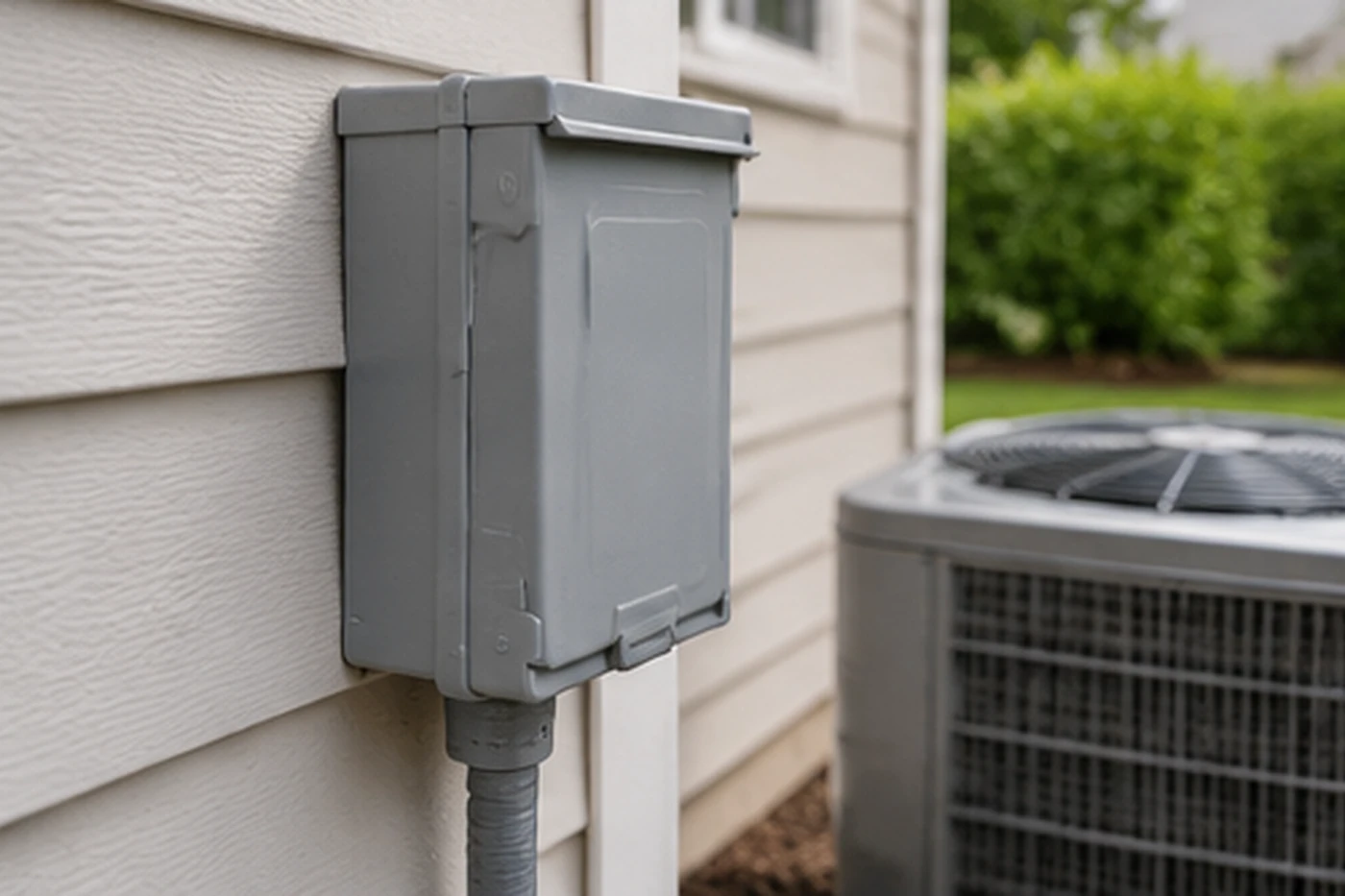
The safe user check ends at known controls, labelled breaker positions and readable status codes. Testing live voltage, low-voltage fuses, transformer outputs, contactor terminals or disconnects requires qualified personnel. Never replace a fuse with a larger one or bypass a safety switch to make the AC start.
How Should an HVAC Technician Diagnose an AC That Will Not Start?
An HVAC technician should confirm the cooling request, trace the electrical supply and safety controls, then test the component that fails to start. This order shows whether the problem is in the thermostat command, power or protective circuit, or the motor and its controls. Each test follows the equipment manual and its control design.
- Confirm the requested operating mode. Record setpoint, thermostat display, status/error codes and whether the indoor blower runs. On some systems, control-board or inverter fault history can narrow the fault before any restart.
- Verify the electrical and control path. Using the model’s service procedure and suitable safety precautions, check the indoor and outdoor power supply, disconnects and control power (the low-voltage electricity used by many thermostats and controls). Also check the start signal and required safety interlocks—switches that must be in their safe state before the unit is allowed to run.
- Find the point where the start sequence stops. If the outdoor controls never receive a valid cooling request, trace the thermostat, wiring and safety devices before blaming the compressor. If the request reaches the unit but the motor still does not run, the next checks concern the electrical supply, contactor, motor or inverter drive and, where fitted, the capacitor. Use the model’s approved procedures rather than replacing parts on a guess.
- Check relevant mechanical or refrigerant conditions. A genuine pressure or temperature lockout needs a cause-specific check. Airflow, coil condition and system operating conditions matter; charging refrigerant without finding the cause can leave the original failure unresolved.
- Repair, restart and verify. Confirm normal fan and compressor operation, stable cooling demand, no recurring breaker trip or error, proper drainage, and acceptable performance under the tested conditions. Record the actual fault and work performed for future service.
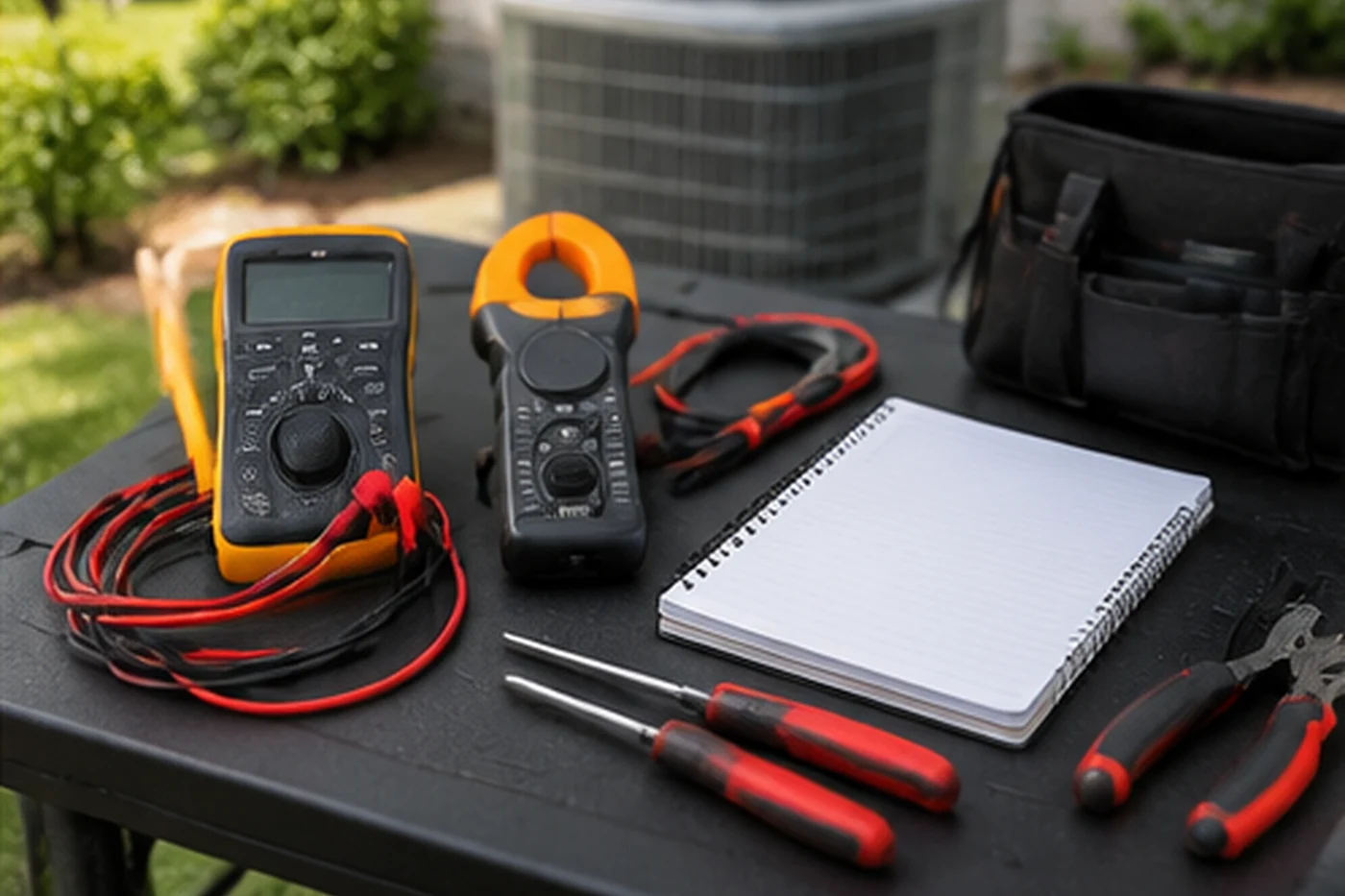
For a recently installed system, add the commissioning records: installed model, wiring and control configuration, voltage and frequency, refrigerant and line-set requirements, and reported fault codes. A system that never started after installation calls for setup checks before parts replacement. A system that worked and then stopped calls for a closer look at what changed.
Should You Repair or Replace an Air Conditioner That Will Not Turn On?
Repair is usually the first direction when the cause is a serviceable control, wiring, drain or replaceable component fault and the rest of the AC is in good condition. Confirm the failed part, repair scope and likely cost before considering whole-system replacement.
Replacement becomes worth comparing when a major compressor or control assembly has failed, repair parts are unavailable, the system has repeated expensive faults, or the equipment is already a poor fit for the building. Compare an actual repair quote with an installed replacement proposal and the condition of the whole system. A new unit will not fix a building power fault or unsafe wiring outside the unit.
What should you check before approving an AC repair quote?
Before approving a major AC repair, ask which part or operating step failed, what test confirmed it, and what the quote includes. Review these items with the service company:
- Failure evidence: Which part or operating step failed, and what test result supports the diagnosis?
- Itemized work: Which parts, labor and additional work are included, and what could change the estimate?
- Parts and warranty: Are the correct parts available, and what does the applicable repair or equipment warranty cover?
- Post-repair check: How will the technician confirm a stable start, normal cooling and no repeated fault?
If replacement is the right route, match the building’s cooling load, available power, climate, control requirements and refrigerant rules before choosing nominal capacity. If the replacement may change how air reaches the rooms, compare the main types of AC systems first. Existing ducts, room controls and installation space affect which system can fit.
For replacement capacity, use the building’s cooling load rather than copy the old unit’s nameplate size. Our air conditioner sizing guide explains the factors to check before choosing a new unit.
For distributors, contractors and projects specifying a new split system, Airproz’s air conditioner product range includes wall-mounted series for different project needs. Match any candidate model’s electrical supply, operating climate and installation requirements to the actual project before selecting it.
How Can You Reduce the Chance of Another AC No-Start Problem?
Maintain airflow, drainage and electrical controls, and investigate repeat symptoms instead of repeatedly resetting the system. Regular checks can reveal blocked drainage, restricted airflow and electrical warning signs before they lead to a shutdown, and give the technician a better starting point if the AC fails.
- Look after the correct filter. Inspect, clean or replace it according to the equipment instructions and local dust conditions. Do not run the unit without a required filter.
- Keep accessible air paths clear. Do not block indoor returns or outdoor ventilation with furniture, boxes, vegetation or stored materials.
- Arrange the relevant service checks. Ask the technician to review the condensate drain and safety switch, electrical connections, starting sequence, fans, coils and any logged fault codes. ENERGY STAR recommends a professional pre-season HVAC check.
- Follow up on repeat faults. If failures return after storms, thermostat changes, cleaning or hot weather, tell the service technician what tends to happen before the shutdown. A repeated symptom deserves a cause check, not just another restart.
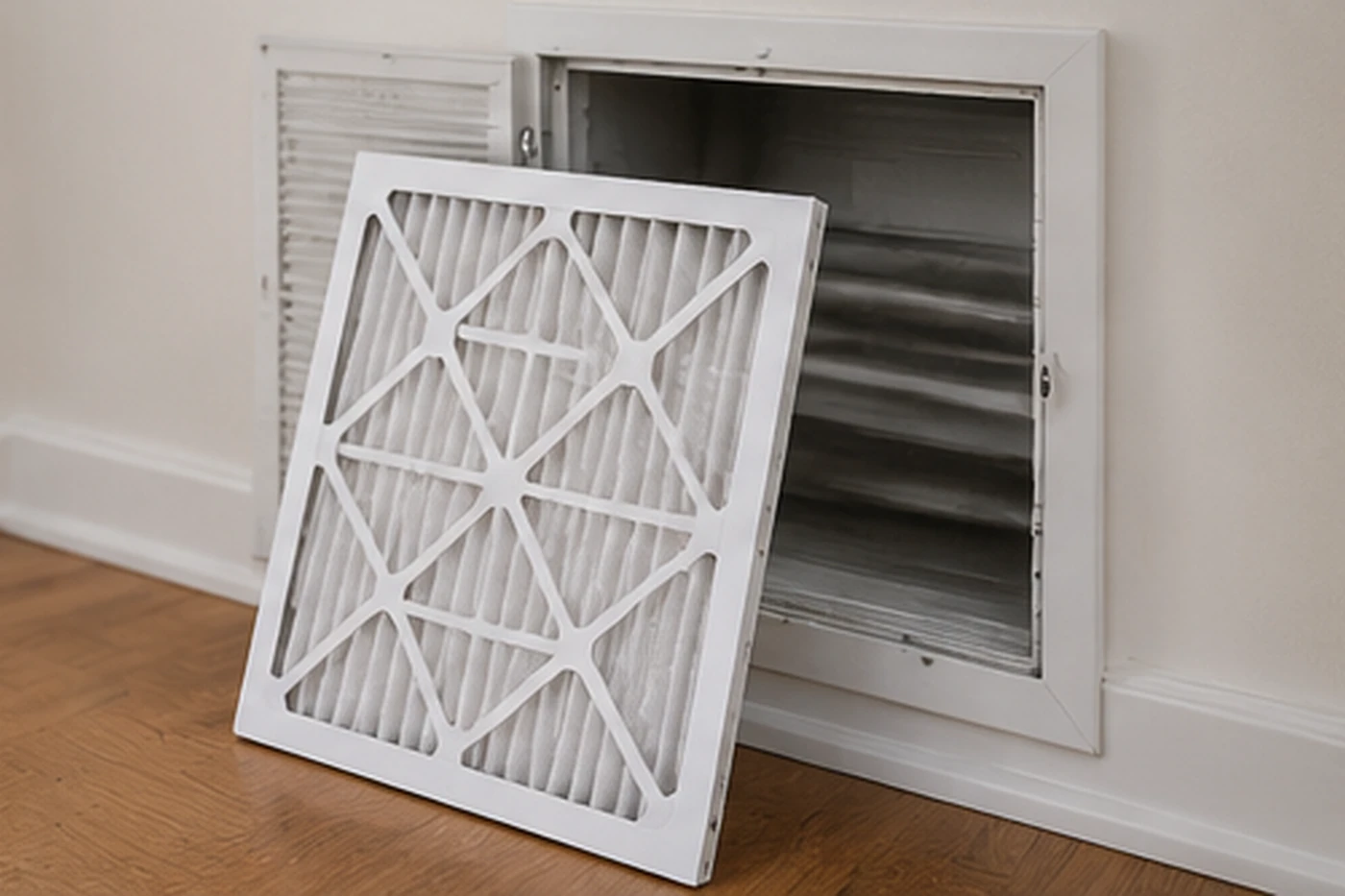
If the AC still fails after routine filter care, the next step is to check the relevant controls and protection devices. Repeated breaker or safety-switch trips call for repair of the underlying fault and a verified, stable restart.
Need AirProz Technical Support or a Replacement Project Review?
For an installed AirProz unit, distributors, installers and existing customers can send the model, serial number, fault code, operating conditions and clear photos or videos through their agreed support channel. AirProz offers remote guidance for troubleshooting, installation and controller settings, with the exact response and warranty scope governed by the applicable agreement. See AirProz’s warranty and after-sales FAQ. Unsafe electrical or refrigerant work still requires a qualified local technician.
For a new or replacement AC project, share the destination market, building use, cooling-load target, available power, system type and expected quantity. We can review a suitable product direction and supply conditions. For a new wall-mounted split AC project, the AirProz R32 Inverter AC SA Series is one product family to compare. Its published configurations use 220–240 V, 50 Hz power. Check the cooling load, electrical supply, climate and installation layout; a central ducted replacement requires its own system and airflow assessment. Contact AirProz about the project.
What Should You Do Next if Your Air Conditioner Still Won’t Turn On?
If your air conditioner still will not turn on after you check the thermostat, normal startup delay and visible power status, stop guessing at parts and use the symptoms to request a targeted service check. A blank display points first toward batteries or indoor control power; an indoor fan running with an inactive outdoor unit points toward the outdoor start path. Humming or repeated breaker trips require prompt professional electrical diagnosis. Keep all safety devices in place.
Once the actual fault is confirmed, repair what failed and verify the unit starts and cools normally. Consider replacement only when its condition and repair economics justify it, with the new system sized for the building rather than selected from the old nameplate alone.
What to tell your HVAC technician
Tell your HVAC technician the AC model, thermostat status, error code, which fans run, any unusual sounds or water, and what happened before the failure. Include the owner checks you completed and any change you observed. Use the checklist below to share only what you could inspect safely:
- The AC type, brand and exact model, if available.
- The thermostat display, cooling setting and any error code.
- Whether the indoor blower and outdoor unit run, stay silent or make an unusual sound.
- Any visible water, ice, burning smell or other warning sign.
- Whether the failure followed a power outage, filter change or recent service.
- Which owner checks you completed and what changed afterward.
Frequently Asked Questions
Should I reset my air conditioner if it will not turn on?
Use only the normal reset or restart steps given for your exact model, and first allow any compressor-protection delay. If a breaker has tripped, the unit hums abnormally, or the same fault returns, leave it off and request qualified diagnosis instead of repeated resets.
Is there a reset button on every air conditioner?
No. Many central AC systems do not have one owner-accessible reset button. Some units have model-specific restart controls, while window and portable units may have a power-cord safety device. Check the exact manual. Do not open electrical compartments, bypass protective devices or repeatedly reset a tripped breaker.
Can a dirty air filter stop an air conditioner from starting?
A clogged filter can restrict airflow and contribute to icing or a protective shutdown, but it does not normally cut electrical power directly. Check the accessible filter according to the manual. If the unit still cannot start, the thermostat, power, safety and electrical path also need attention.
Why does my AC thermostat work but the outside unit will not turn on?
A working thermostat screen does not prove the outdoor unit has power or has received a valid start command. Confirm a cooling call and the model-specific delay. The outdoor supply, controls, safety switches, contactor or drive may then need professional testing.
What does a flashing COOL ON message mean?
On many thermostats, flashing COOL ON means the controller is waiting through a compressor-protection delay, sometimes after a power interruption. Check the manual for that model and allow its stated delay. If the message clears and cooling still does not begin, record the symptom and arrange service.
Can a clogged condensate drain prevent central AC from turning on?
Yes, if the system has a condensate overflow safety switch. Rising drain-pan water can open that switch and stop some or all cooling functions. Not every system has the same switch or wiring. Do not bypass it; have the drainage fault corrected and the system checked.
Why does the AC outside unit buzz but the fan will not spin?
A failed capacitor, fan motor, contactor or control may be involved, but the sound does not identify the failed part. Stop cooling rather than trying to spin the blade or restarting repeatedly. A qualified technician must test the motor and electrical start circuit.
Why will the AC not turn on at the start of summer?
A long period without use can reveal a control, power, motor or drainage fault that was not noticed during the off-season. Check the thermostat settings, batteries if fitted, normal delay and visible power status. If the unit still does not start, request service instead of forcing a restart.
Can I tell from the symptom whether my air conditioner needs a new compressor?
No. A compressor that is not running may lack a valid demand or power, or may be held off by a safety, control or drive fault. Have those conditions checked before treating the compressor as failed. Repair or replacement should follow the confirmed diagnosis.