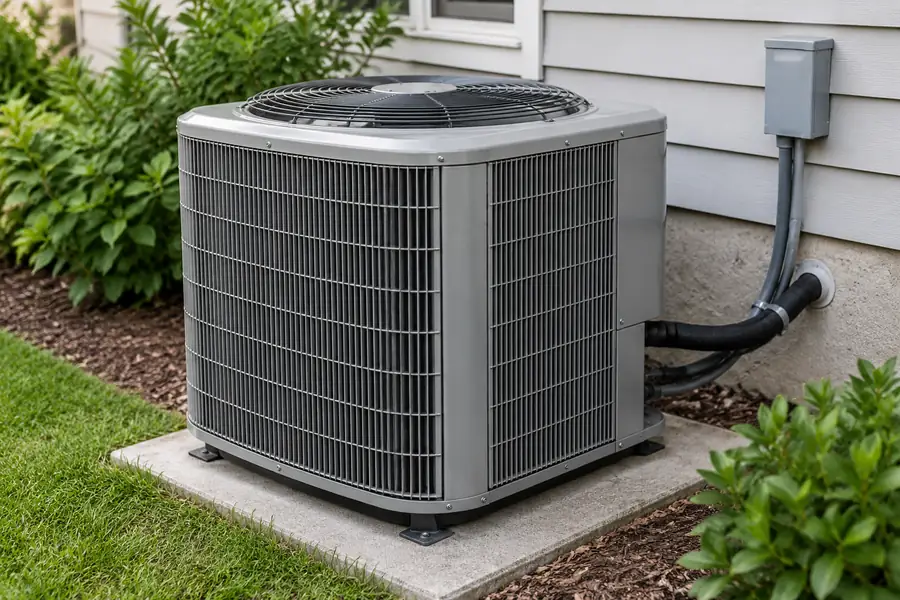
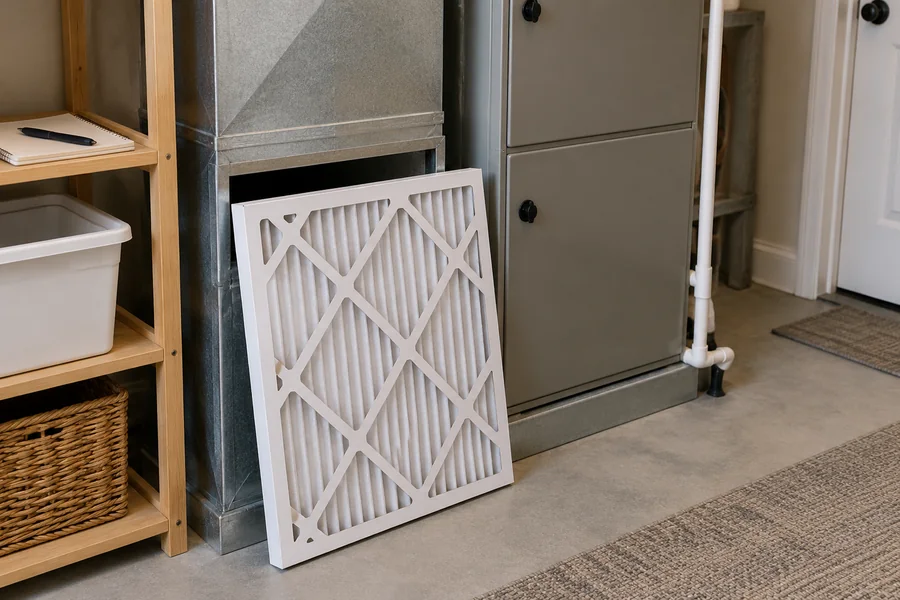
How long do heat pumps last — heat pump lifespan typically ranges from 15 to 25 years depending on type, installation quality, maintenance frequency, and operating conditions.
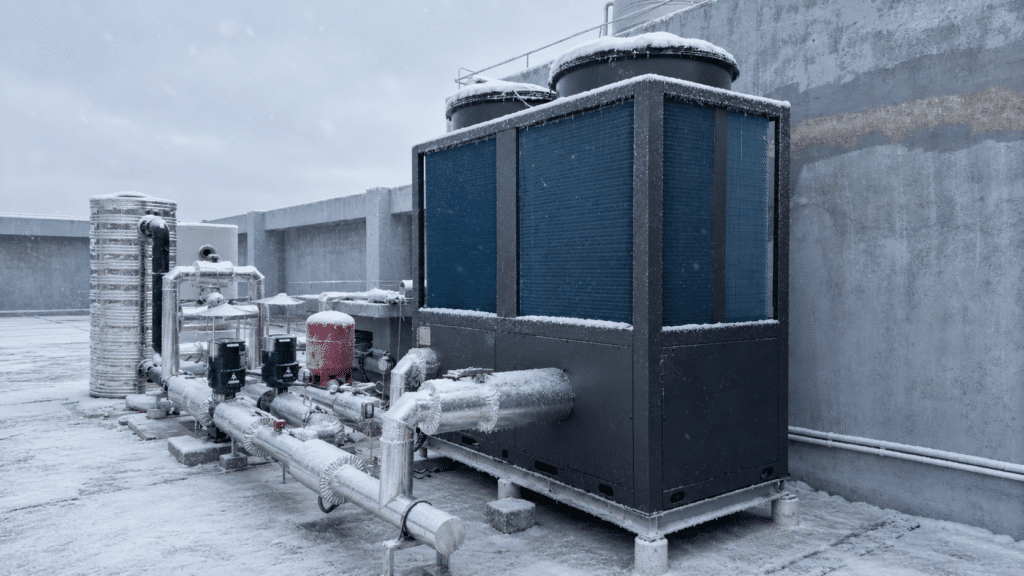
Quick Answer: How Long Do Heat Pumps Last?
A well-installed, properly maintained heat pump lasts 15 to 25 years. Air-source models typically reach 15–20 years. Ground-source systems often last 20–25 years, with underground loops lasting 50+ years. The single biggest factor is not the brand or climate — it is installation quality. A poorly installed heat pump may fail within 8–10 years regardless of brand. For B2B buyers — dealers stocking inventory, contractors specifying systems, or OEM partners evaluating suppliers — understanding what drives how long do heat pumps last directly affects warranty planning, maintenance contracts, and client satisfaction.
A dealer in Spain calls: a hotel client installed heat pumps five years ago and is already seeing compressor issues. Another dealer in Australia reports a ground-source system still running efficiently at 22 years. The difference? Installation quality, maintenance discipline, and the specific heat pump type. Whether you are an HVAC distributor advising contractors, a procurement manager selecting equipment for a portfolio, or an OEM evaluating component suppliers, understanding how long do heat pumps last is essential to making sound procurement decisions. This guide draws on government energy-agency data, heat pump industry association research, and Airproz’s field experience supporting dealer and contractor projects across European, Australian, and UAE installations.
Key Takeaways
- Air-source heat pumps: 15–20 years typical; premium models last 20–25 years.
- Ground-source heat pumps: 20–25 years; buried ground loops last 50+ years.
- Installation quality is the #1 factor — poor installation can cut lifespan in half.
- Annual professional servicing is required to maintain warranty validity and peak efficiency.
- Most premium manufacturers offer 5–12 year warranties on compressors and key components.
How Long Do Heat Pumps Last by Type?
Heat pump lifespan varies significantly by type. The technology, components, and operating conditions differ enough that a one-number answer is misleading. Here is the breakdown based on manufacturer data and industry research.
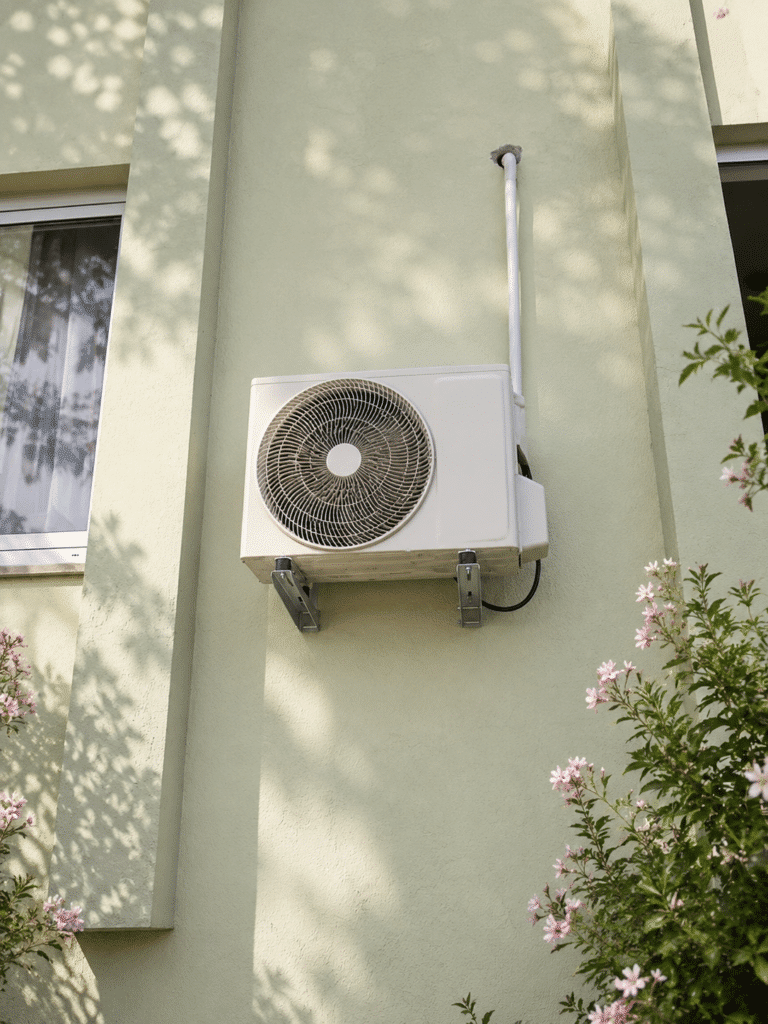
| Heat Pump Type | Typical Lifespan | Key Factors |
|---|---|---|
| Air-to-water heat pump | 15–20 years (premium inverter models: 20–25 years) | Installation quality, annual servicing, climate exposure |
| Air-to-air heat pump (mini-split) | 12–20 years | Usage hours, filter maintenance, refrigerant integrity |
| Ground-source (geothermal) heat pump | 20–25 years | Indoor unit + buried loops (50+ year loop life) |
| Water-source heat pump | 15–20 years (up to 25 years with maintenance) | Water quality, heat exchanger fouling/scaling, water flow consistency |
The U.S. Department of Energy’s Federal Energy Management Program uses an average service life of 15 years for residential air-source heat pumps in its lifecycle cost models (U.S. Department of Energy, accessed July 2026), while manufacturer field data typically pushes well-maintained premium units to the 20–25 year range. The European Heat Pump Association likewise confirms that properly specified and maintained heat pumps are a reliable long-term heating technology, with efficiency several times higher than combustion-based systems over their service life.
For a deeper understanding of how different heat pump types operate and which fits your project, see our comprehensive B2B heat pump buying guide.
Specifying heat pumps for dealer or project supply? Browse the Airproz range of R32 and R290 air-to-water heat pumps with inverter compressors, factory-tested for 15+ year service life. Technical data sheets and OEM partnership terms available.Browse Airproz Heat Pump Range
What Factors Affect How Long a Heat Pump Lasts?
The lifespan difference between a heat pump that fails at 8 years and one that runs for 25 years comes down to five factors. Here is what B2B buyers need to know.
1. Installation Quality — The Single Most Important Factor
Across the heat pump industry, installation quality is consistently identified as the single biggest factor in lifespan — more so than brand, climate, or usage pattern. An incorrectly sized unit runs harder than necessary from day one. Poor commissioning — incorrect refrigerant charge, improper expansion valve setup, or inadequate airflow — can cut efficiency by 20–30% and shorten lifespan by years. Proper installation and commissioning by a fully trained professional is essential; systems that are poorly installed can require early replacement within 8–10 years, well short of their rated service life.

2. Maintenance Discipline
A heat pump that receives annual professional servicing will last significantly longer than one that does not. Consistent heat pump maintenance — cleaning the outdoor unit coil, checking refrigerant pressure, inspecting electrical connections, testing flow temperatures, and catching early component wear — is what separates a unit that reaches 25 years from one that fails at 10. Manufacturers typically require proof of regular servicing to honour warranty claims. For commercial installations with higher duty cycles, more frequent checks may be needed.
B2B tip: When procuring heat pumps for a portfolio of projects, build annual maintenance contracts into your pricing from the start. Clients who skip servicing are the ones who call about premature failures — and blame the equipment rather than the lack of care. For warranty insights and component durability, see our guide to heat pump compressor types.
3. Compressor Quality and Refrigerant Type
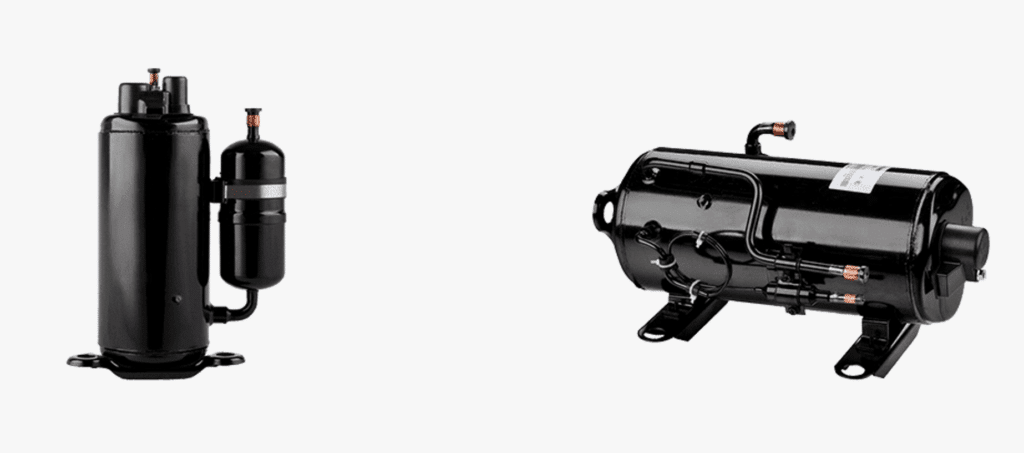
The compressor is the heart of a heat pump. Inverter (variable-speed) compressors last longer than fixed-speed models because they ramp up and down gradually rather than cycling on/off. Modern refrigerants like R32 and R290 operate at lower pressures than older R410A systems, reducing mechanical stress on components. For European and Australian markets transitioning under F-Gas regulations, R290 (propane) heat pumps offer excellent long-term viability as a natural refrigerant with near-zero GWP.
4. Climate and Environmental Conditions
Air-source heat pumps in mild climates (southern Europe, Australia, UAE) tend to last longer due to less thermal stress on components. Cold-climate models designed for Scandinavian winters include reinforced defrost cycles and corrosion protection but still accumulate more operating hours. Coastal installations require salt-resistant materials — titanium heat exchangers or epoxy-coated coils — to prevent premature corrosion. Extreme weather and airborne debris both stress the outdoor unit over time, so regular cleaning of the coil and fan assembly is one of the simplest ways to extend service life.
5. Incorrect Sizing and Specification — Why Supplier Support Matters
An oversized or undersized heat pump is one of the most common — and most costly — causes of premature failure. An oversized unit short-cycles constantly, wearing out the compressor early. An undersized unit runs at full load nearly all the time and never reaches peak efficiency. Getting the sizing right the first time depends as much on supplier support as it does on the spec sheet.
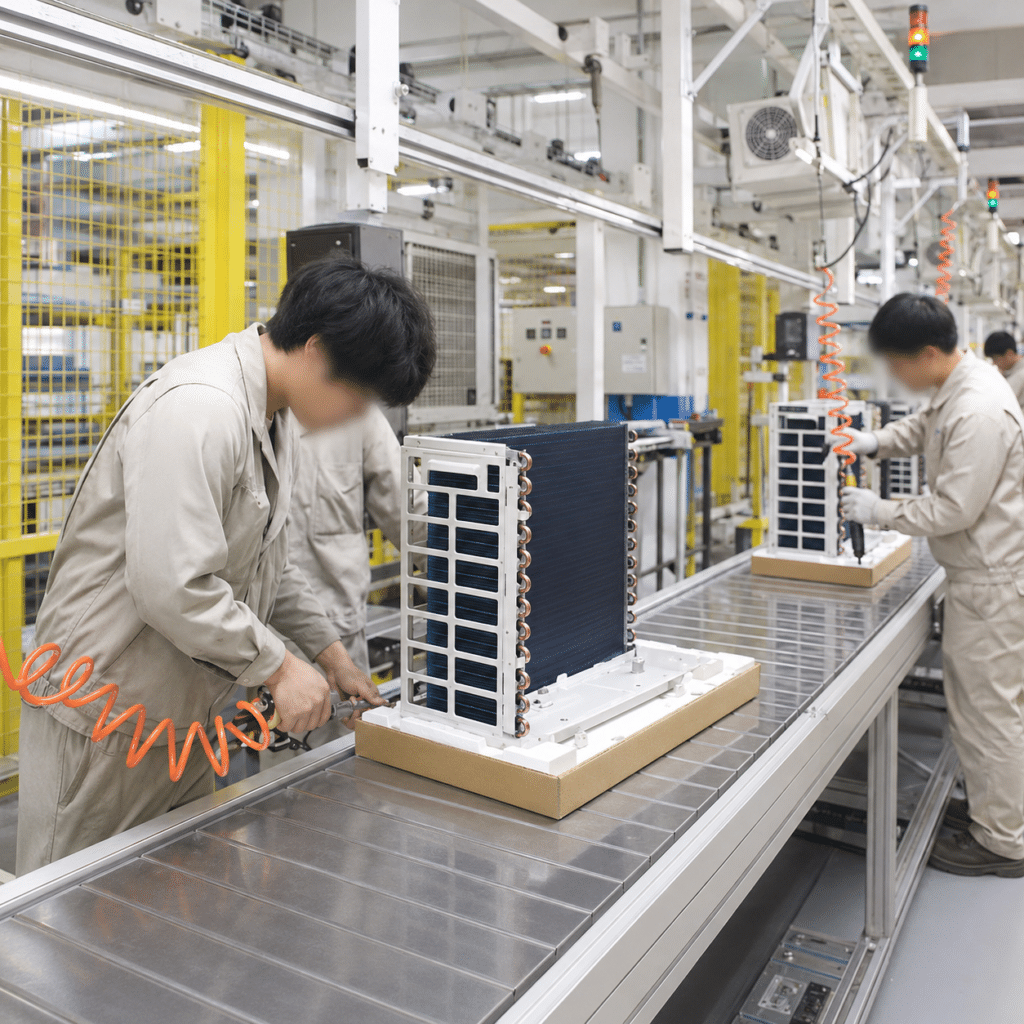
This is where the right OEM partner makes a measurable difference. Airproz provides technical sizing guidance before installation and hands-on commissioning training after installation, so dealer and contractor teams size systems correctly the first time and know how to commission and maintain them properly. B2B buyers working with suppliers that offer this level of pre-sale and after-sale support consistently report fewer sizing-related failures across their installed base. Learn more about Airproz’s OEM/ODM partnership and technical support programme.
Real Project: A Resort Running an Airproz Commercial Heat Pump for 13+ Years
One of Airproz’s resort clients installed an Airproz air-to-water heat pump system for guest room space heating. More than 13 years later, the system is still in daily operation. The buyer has not needed a major component replacement — only routine annual maintenance, including coil cleaning, refrigerant checks, and electrical inspections carried out on schedule.
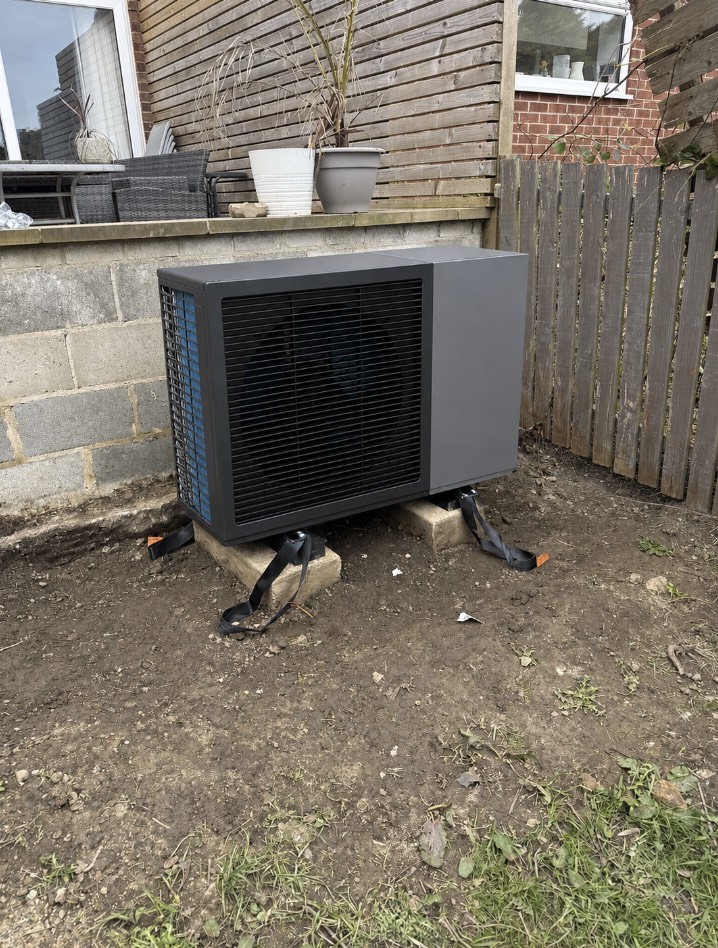
The buyer’s own account is straightforward: the system has simply kept running with minimal intervention, and satisfaction with both the equipment and the maintenance experience has kept the relationship with Airproz active well beyond the original installation. For a B2B buyer, this is the outcome that matters most — a supplier relationship that holds up over a decade of real operating conditions, not just a spec sheet number.
This case illustrates why how long do heat pumps last depends heavily on consistent maintenance discipline, not just the equipment itself. An air-to-water heat pump specified correctly for its load and serviced on schedule can comfortably outperform its rated lifespan.
For dealers specifying similar systems, our space heating heat pump guide covers sizing and durability considerations for hospitality and multi-room projects.
Signs a Heat Pump Needs Replacement — When to Repair vs. Replace
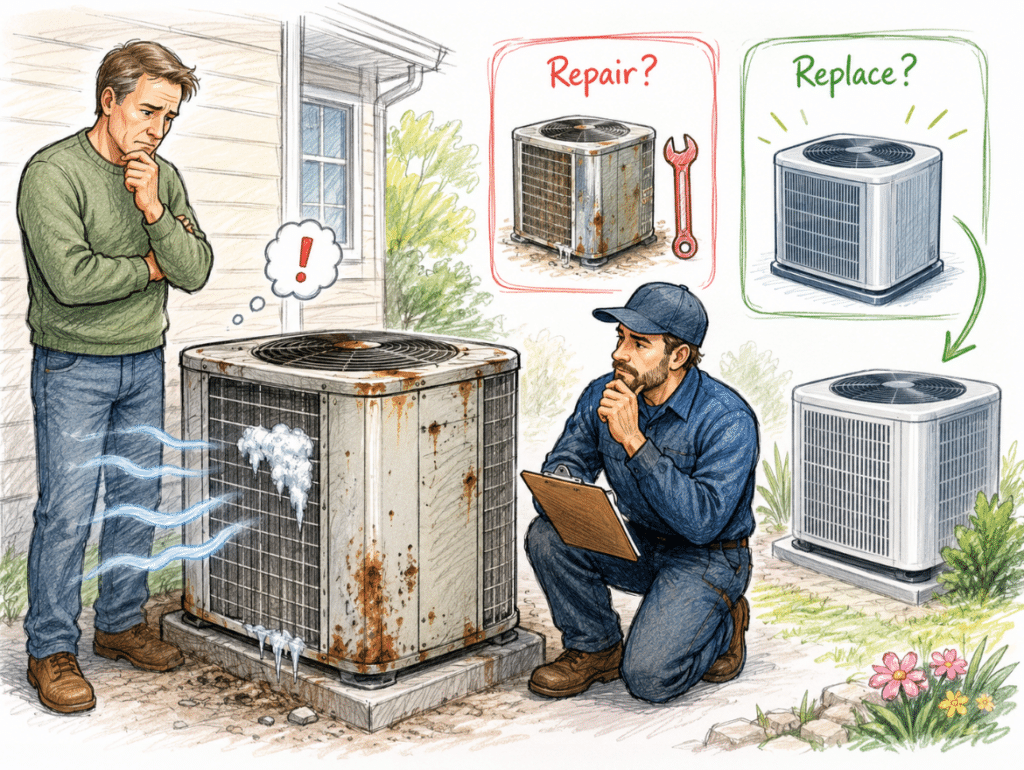
For B2B buyers managing equipment across multiple sites, knowing when to replace rather than repair directly affects budget planning and client satisfaction.
| Indicator | What It Means | Recommended Action |
|---|---|---|
| Heat pump is 10–15 years old | Entering the upper end of expected lifespan | Plan replacement budget; monitor efficiency annually |
| Annual COP decline > 5% | Compressor wear or refrigerant loss | Diagnose root cause; consider replacement if repair > 50% of new unit cost |
| Energy bills rising 15%+ year over year | Efficiency loss exceeding normal degradation | Full system inspection; prepare replacement specification |
| Repairs exceeding 50% of replacement cost | Economically unviable to continue repairing | Replace, especially if unit is > 10 years old |
| Refrigerant type being phased out (e.g. R410A) | Rising cost and availability issues for service gas | Plan transition to R32 or R290 within 1–2 years |
| Grinding, rattling, or banging noises | Mechanical component failure (compressor, fan, or expansion valve) | Immediate inspection; typically replacement advised for units > 10 years |
| Short cycling (frequent on-off cycling) | Oversized unit or control failure | Diagnose; if oversized, replacement with correct size is the fix |
A common industry rule of thumb: repairing any system under 15 years old is usually the right call, since most of the original service life remains. Beyond that — especially with older models — heat pump replacement is typically the more economical choice. For a detailed cost comparison between repairing and replacing, see our 2026 heat pump cost and installation guide.
Frequently Asked Questions: How Long Do Heat Pumps Last?
How many years does a heat pump last on average?
A well-installed and maintained heat pump lasts 15 to 25 years on average. Air-source heat pumps typically reach 15–20 years. Ground-source (geothermal) systems last 20–25 years, and the buried ground loops often last 50 years or more. Premium inverter-driven models with proper maintenance can reach 25 years.
Do heat pumps last longer than gas boilers?
Yes. Heat pumps last 15–25 years compared to 10–15 years for gas or oil boilers. Over a 25-year period, a boiler owner would likely replace their system twice, while a heat pump could last that entire stretch. Heat pumps also have fewer moving parts and no combustion chamber, which reduces mechanical wear.
What shortens a heat pump’s lifespan the most?
Poor installation quality is the #1 cause of premature failure — more than brand, climate, or usage. An incorrectly sized or incorrectly commissioned heat pump may fail within 8–10 years. The second most common cause is neglecting annual servicing, which can void warranties and allow minor issues to become major failures. Coastal salt air exposure without proper corrosion protection is another significant factor.
Can a heat pump last 25 years?
Yes. Ground-source heat pumps routinely last 20–25 years, and premium air-source models with inverter compressors and regular maintenance can also reach 25 years. Properly installed and consistently serviced systems are unlikely to fail well short of 20 years. After 25 years, efficiency will have declined noticeably and heat pump replacement is typically advisable.
What heat pump warranty terms should B2B buyers expect?
Premium manufacturers typically offer 5–12 years on compressors and 5–10 years on parts as part of standard heat pump warranty terms. Coverage is almost always conditional on proof of annual professional servicing. For B2B buyers, extended warranty or bulk procurement agreements may be available directly from the manufacturer. When evaluating suppliers, check not just warranty length but also spare parts availability and local service network coverage.
Looking for heat pump models built to last? Airproz supplies air-to-water heat pumps with inverter compressors, titanium heat exchanger options, and CE/ErP certification. Available to dealers, contractors, and OEM partners serving Europe, Australia, the Middle East, Africa, and Southeast Asia. Request technical specifications and warranty terms.Contact Airproz for OEM/Wholesale
About the Author
This heat pump lifespan guide was prepared by the HVAC technical team at Airproz, a B2B manufacturer of air-to-water heat pumps, commercial heat pump water heaters, and pool heat pumps. Data and insights draw on U.S. Department of Energy and European Heat Pump Association research, plus Airproz’s field experience supporting dealer and contractor projects across Europe, Australia, the UAE, and Southeast Asia.
Lifespan estimates and warranty data in this article reflect manufacturer guidelines and industry research available as of July 2026. Actual heat pump lifespan depends on installation quality, maintenance frequency, operating conditions, and specific model characteristics. Always verify warranty terms directly with the manufacturer or supplier before procurement.