Quick answer: Pool heat pump installation starts with checking that the heater fits your pool, water system and electrical supply. Place it outdoors with enough clear space for airflow and service. Connect it after the pool filter, keep the chemical feeder downstream with the required backflow protection, and have qualified trades complete and test regulated work. The installer should then check water flow, controls and heating before handover. Exact clearances, wiring and permits depend on the model and local rules.
Pool Heat Pump Installation: What Happens in Each Step?
Install a pool heat pump in this order: check the required heating, choose the unit, prepare the outdoor base, connect the water pipes, complete the electrical work, and test the system. This order helps catch water-flow, power-supply and airflow problems before the job is finished.
| Step | What the installer does | What you should check |
|---|---|---|
| 1. Check heating needs | Check pool area and volume, cover use, target water temperature, wind and seasonal weather | Ask what conditions and warm-up time the heater is being sized for |
| 2. Choose the heater | Compare heating output at your expected air and water temperatures, plus allowed water flow | Check the exact model manual and electrical label |
| 3. Choose the location | Check outdoor airflow, room for service, noise, drainage and flooding risk | Ask for the clearance drawing and base plan |
| 4. Plan the water pipes | Check the pump and filter route, pipe sizes, chemical feeder and any needed bypass | Confirm the heater gets enough water in every heating mode |
| 5. Connect the equipment | Fit the approved pipe joints, valves, wiring, protective devices and controls | Check that each regulated task has a qualified trade responsible for it |
| 6. Start and test | Test water flow, leaks, safety shutdowns and heating; record the results | Keep the readings, settings and instructions at handover |
A pool heat pump takes heat from outdoor air and passes it into the pool water. It usually warms a pool over many hours, not instantly. The heat it can supply changes with outdoor air temperature, pool water temperature and operating conditions. A capacity figure in a brochure may not show how it performs on a cool evening. An uncovered pool also keeps losing heat, especially through evaporation.
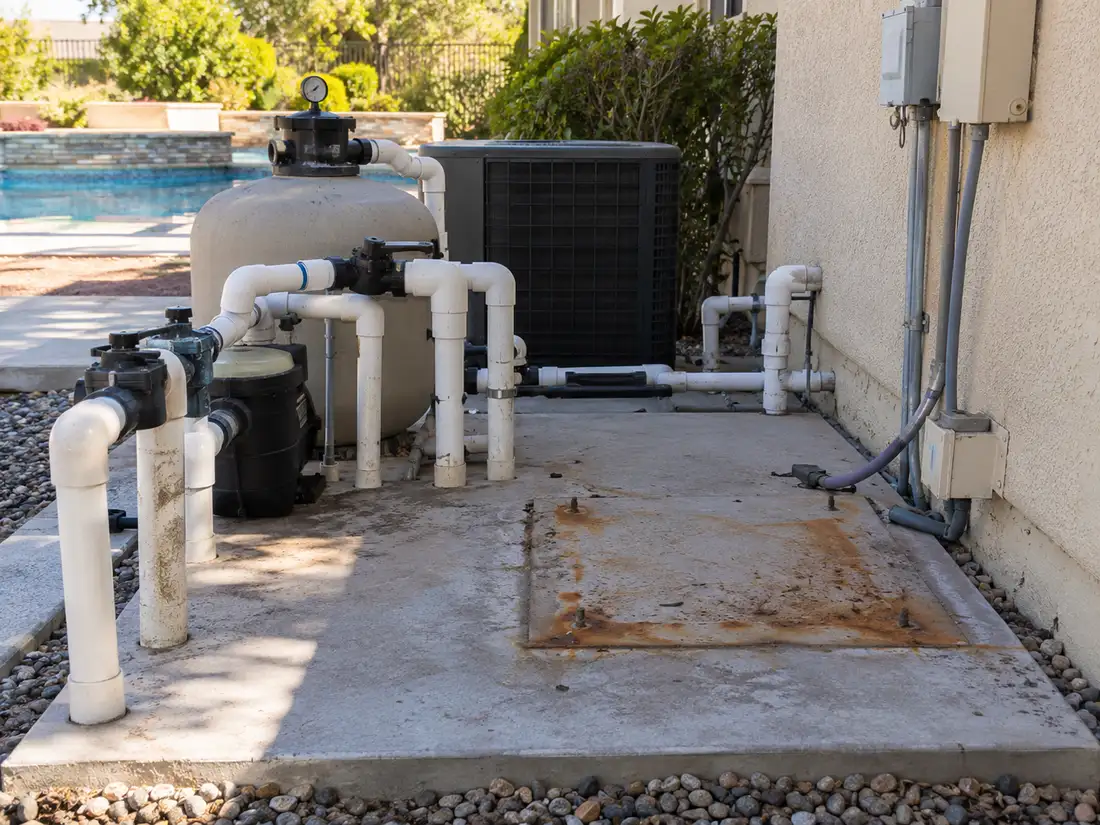
Replacing an old pool heater is not always a like-for-like swap. Even if the new cabinet looks similar, check whether it works with your pump, filter, pipes, electrical supply and pool controls. Keep the installation manual for the exact model on site. Before any connections are made, check the delivered unit and packaging for visible damage, bent fittings or signs of leakage. Photograph concerns and follow the seller’s damage-reporting process. Do not commission a visibly damaged unit until it has been assessed.
What Must Be Checked Before Installation?
Before choosing the final heater or its location, check your pool’s heating needs, available water flow and electrical supply. If any one of these checks fails, the chosen heater may not heat well or operate safely.
| What to check | Information you need | Why it matters |
|---|---|---|
| Pool heating needs | Pool area and volume, target temperature, season, cover and wind | An uncovered windy pool can lose much more heat |
| Heat pump performance | Heating output and COP (coefficient of performance: heat supplied divided by electricity used) at the published air temperature, air humidity when stated, and entering pool-water temperature | A rating from warm test conditions may not match heating output or electricity use in cooler weather or at a higher pool-water temperature. |
| Water flow | Pump performance, pipe and filter resistance, pipe route and heater flow limits | Too much or too little flow may call for changes to the pipes or a bypass |
| Electrical supply | Model voltage and phase, available panel capacity, and the nameplate electrical limits (MCA and MOCP) | A longer cable route or panel upgrade can add cost or delay the job |
| Controls and weather | Pump schedules, pool controls and freezing conditions | The heater needs water flow to run, and cold sites may need freeze protection |
MCA (minimum circuit ampacity) helps an electrician size the supply wires. MOCP (maximum overcurrent protection) is the stated upper limit for the allowed circuit breaker or fuse. These figures must be used with the nameplate, installation manual and local electrical requirements; neither one alone tells you how to wire the heater.
How Do You Size a Pool Heat Pump for Installation?
Choose a pool heat pump based on how much heat the pool loses and how quickly you want it to warm up. Do not choose by pool volume or a headline BTU/h (British thermal units per hour) rating alone. Pool volume tells you how much water must be heated; the pool surface, wind, evaporation and cover use help determine how much heat keeps escaping.
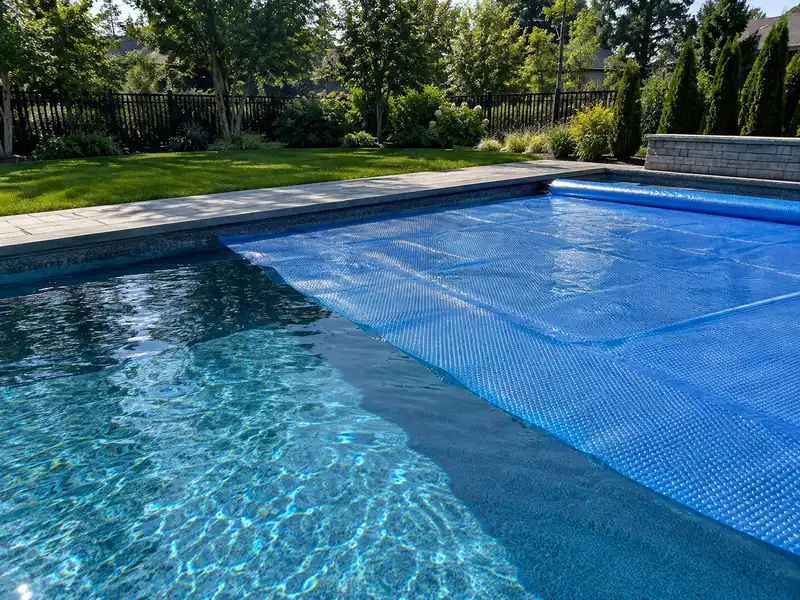
For a covered pool kept warm every day, estimate how much heat it loses during normal use. If the pool is uncovered or exposed to wind, it may lose heat faster. If it must also warm up after a cold period, check how much extra heat is needed within the hours available for heating. The U.S. Department of Energy pool-heater energy analysis considers local weather, pool use and whether a cover is used. It does not predict the warm-up time of an individual pool.
Compare the model’s heating output at the expected outdoor-air and pool-water temperatures. Include humidity when the model’s performance data specifies it. A unit may be allowed to operate in cold weather and still take too long to reach the target pool-water temperature. The AHRI heat-pump pool-heater rating guidance explains standardized testing and rating requirements. A published rating still needs to be checked against the installed model and expected site conditions.
To check whether the pool can warm up in time, estimate the heat needed to raise its water volume from the starting temperature to the target temperature, then allow for heat lost during warm-up. Compare that demand with the model’s heating output at the expected air and pool-water temperatures and the hours the pump and heater are allowed to run. Use consistent units for energy, heating power and time. Treat the result as an estimate, not a promised heat-up time: wind, cover use, changing weather, defrost where applicable and control schedules can change the result.
Published model-level examples, such as the R32 swimming pool heat pump specification table, show why the air-temperature, humidity and pool-water test conditions matter. Use those figures to understand a rating format, not to assume that this specific model meets your heating load or local electrical requirements.
Is the Existing Filter Pump Adequate?
Your existing filter pump can stay only if it sends enough water through the new heater without exceeding the heater’s flow limits, while still filtering the pool properly. A larger horsepower number does not tell you how much water actually passes through the heater.
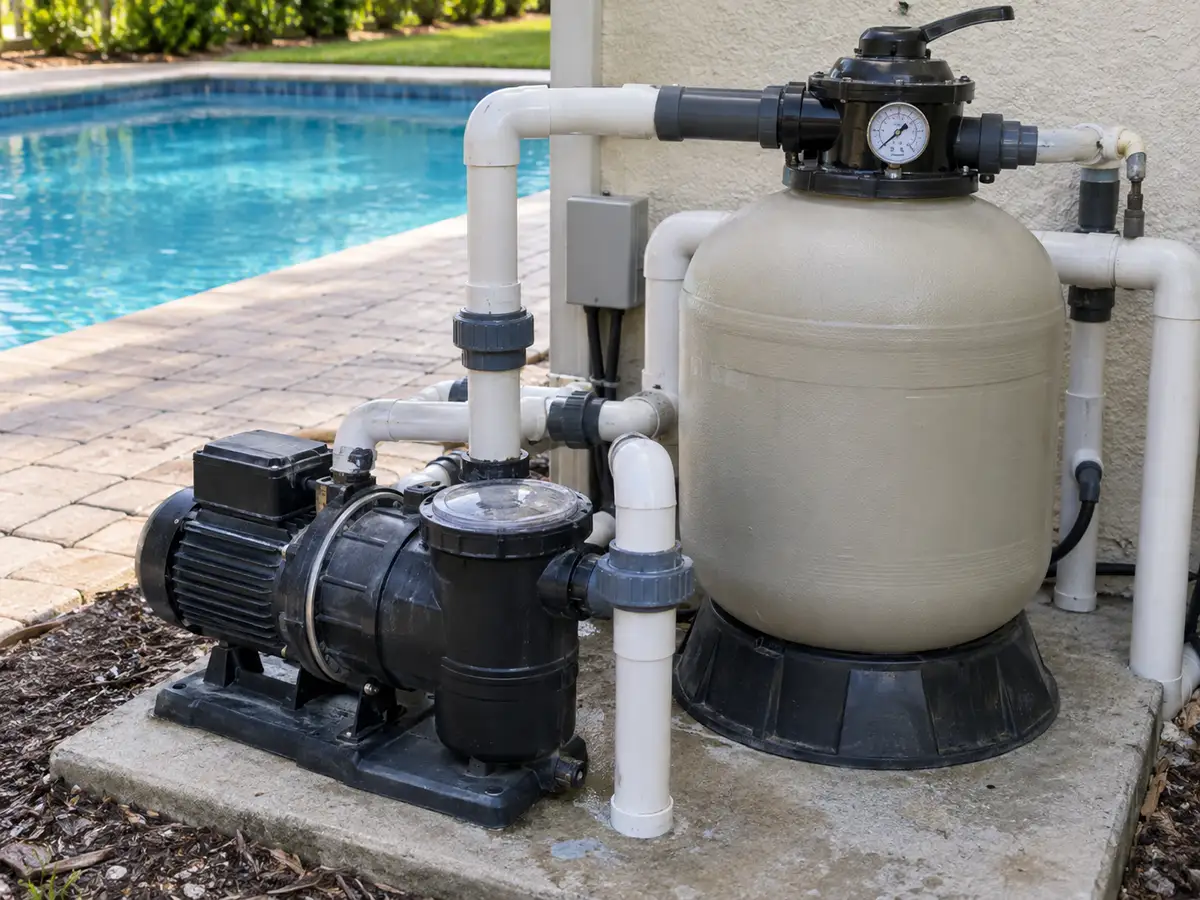
The water flow a pump can deliver changes with resistance from pipes, the filter, valves and the heater. Their combined resistance is called total dynamic head. The heater adds its own pressure drop as water passes through it. The installer must check the available flow under the site’s actual operating conditions.
A closed pressure or flow switch does not by itself prove that water flow through the heater is within the model’s allowed range. Ask the installer to record a flow measurement, or another verification method accepted by the exact model manual. Pump horsepower and a filter pressure reading alone cannot establish the flow through the heater. Record the check at the lowest pump speed allowed to call for heat and at relevant pool/spa valve positions. If the result is outside the model’s permitted range, correct the pump, filter, piping or bypass arrangement and repeat the check before heating is accepted. Never adjust or bypass a safety switch to conceal low flow.
Where Should a Pool Heat Pump Be Installed?
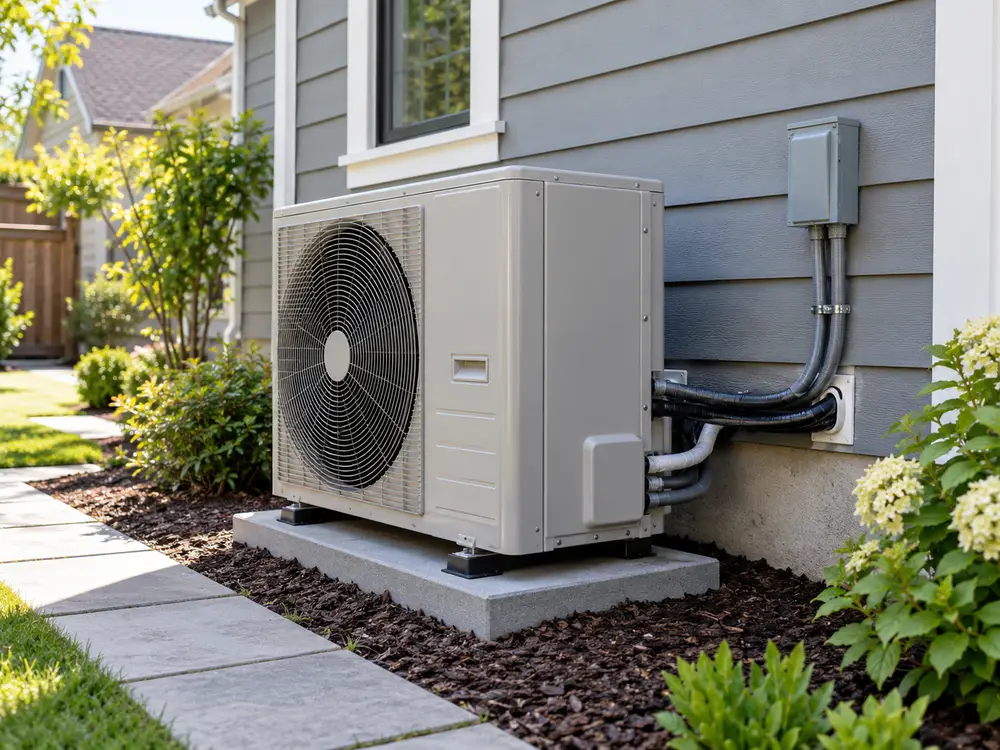
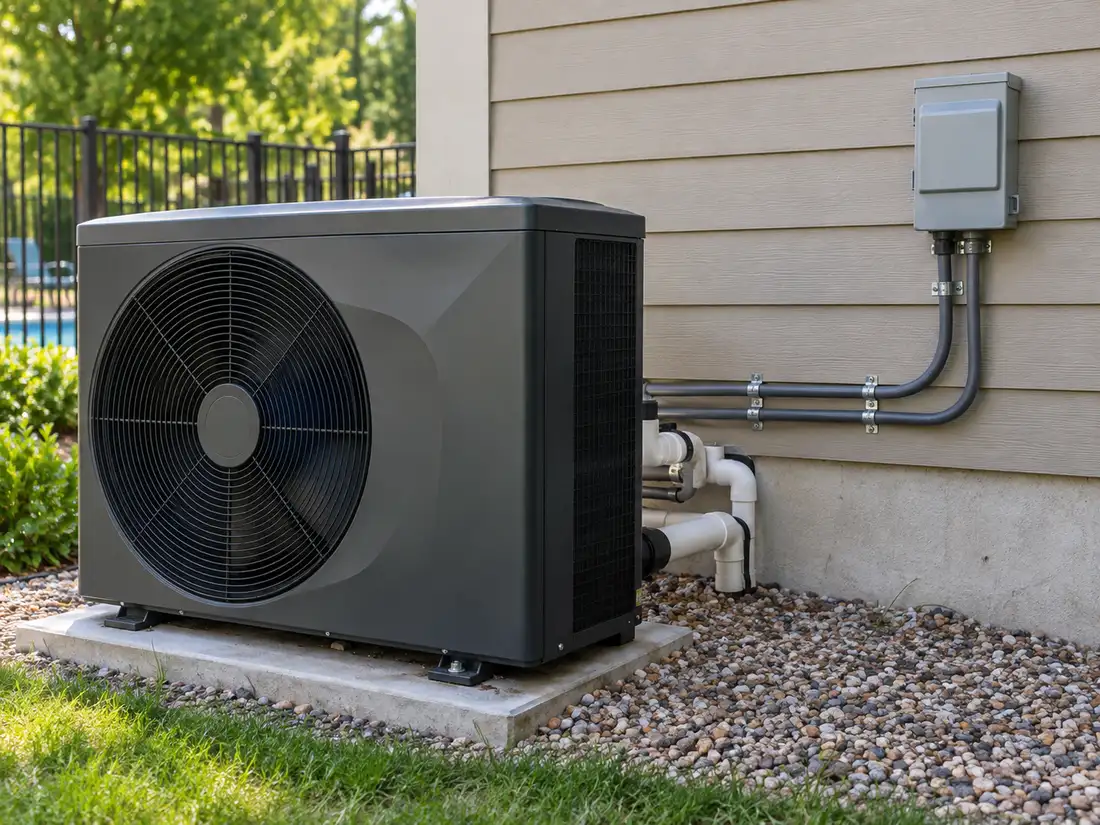
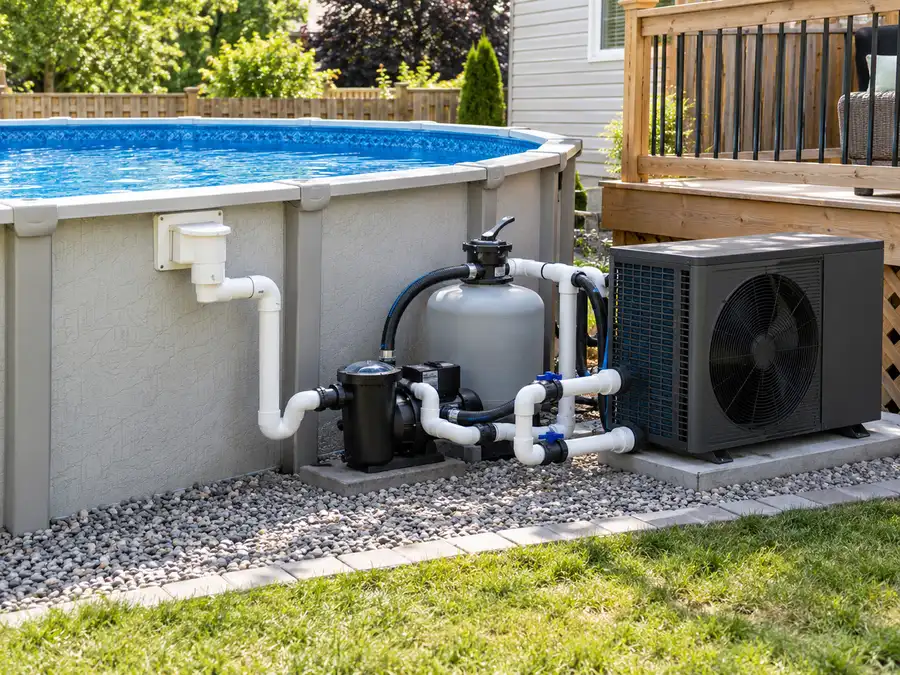
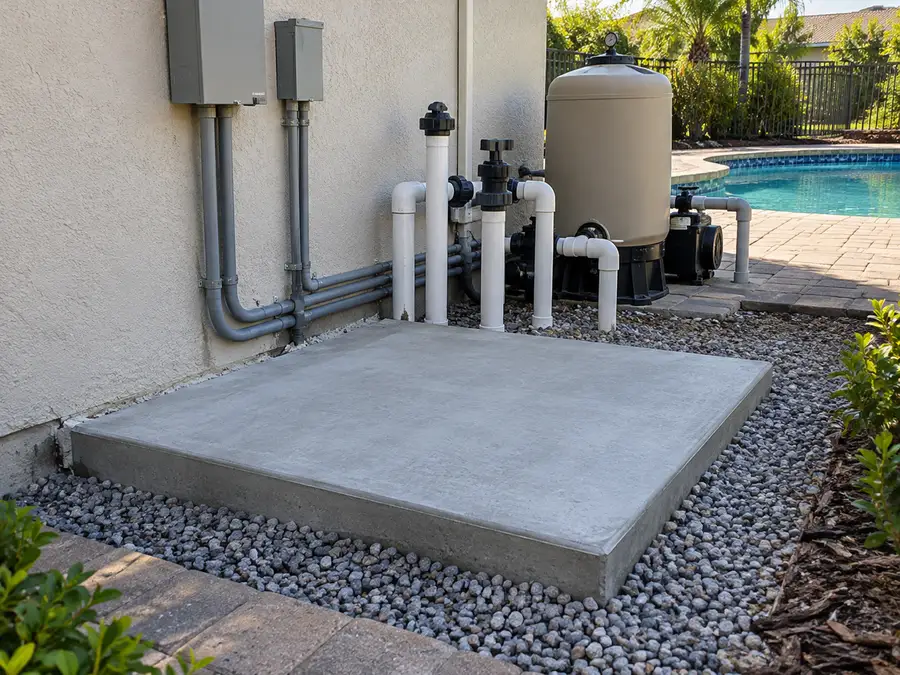
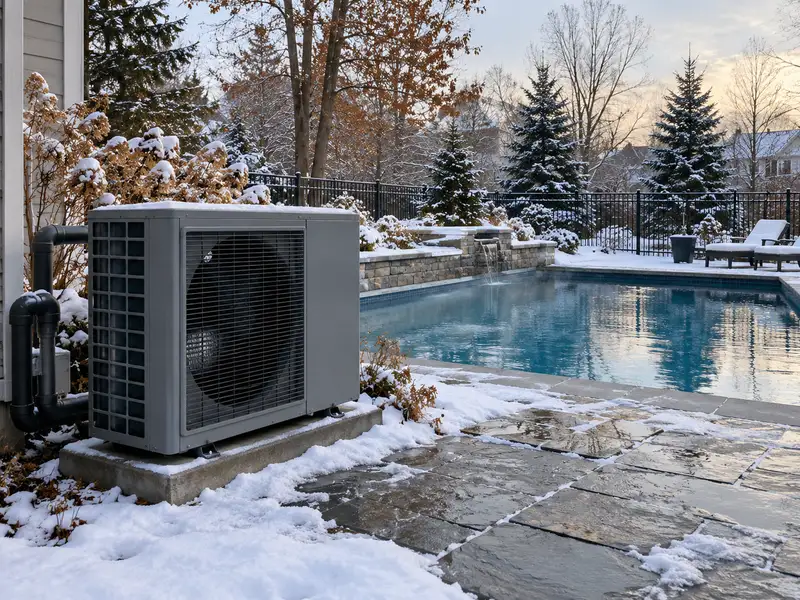
Most air-source pool heat pumps belong outdoors on a strong, level base where rainwater and condensation can drain away. Leave the inlet, outlet and service panels as much open space as the exact model manual requires. Avoid enclosed sheds, narrow corners, flooded areas and places where cold air from the fan blows back into the unit.
The heater needs a clear path for outdoor air to enter and for colder discharge air to leave. A roof, screen or nearby walls can create recirculation even when the unit is technically outdoors. This may reduce heating further in cool weather. Use the clearance and discharge-air drawing for the exact top-discharge or side-discharge model. Check fan noise near windows and seating areas, keep roof runoff away from the unit, and route condensate away from electrical equipment and walking paths.
If the selected heater uses flammable R290 refrigerant, outdoor siting must also meet its refrigerant-specific installation restrictions. The R290 swimming pool heat pump installation notes illustrate why ignition sources and model-specific placement limits need checking. Use the exact approved manual and local rules to determine the allowed location.
Can a Pool Heat Pump Be Installed Indoors?
Usually, no. A standard outdoor pool heat pump should not sit inside a closed shed or ordinary equipment room. It needs a manufacturer-approved way to bring in outdoor air and discharge cold air. Simply leaving the door open does not meet that requirement.
A pool inside a building can often use a heat pump installed outside, with pool-water pipes running between them. Some special units are made for indoor use or can connect to air ducts. Only choose one if its manual approves that setup and the design covers airflow, condensation, noise and building requirements.
How Is a Pool Heat Pump Connected to the Plumbing?
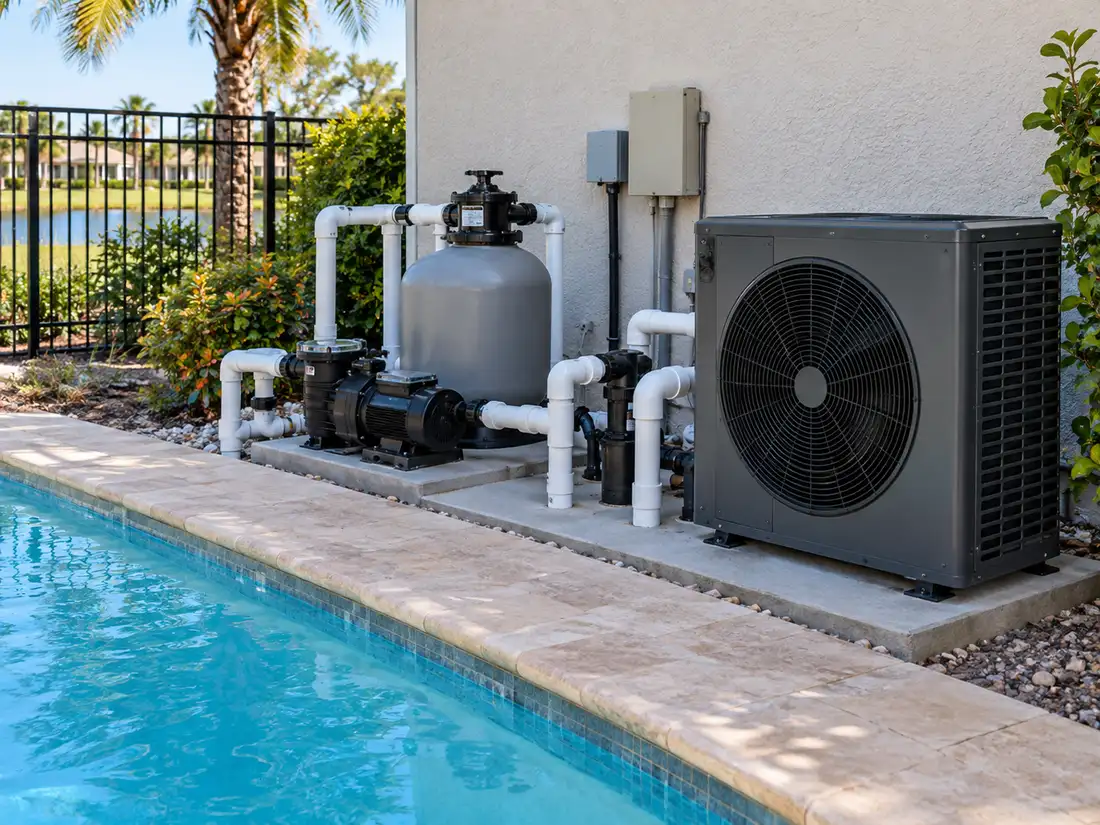
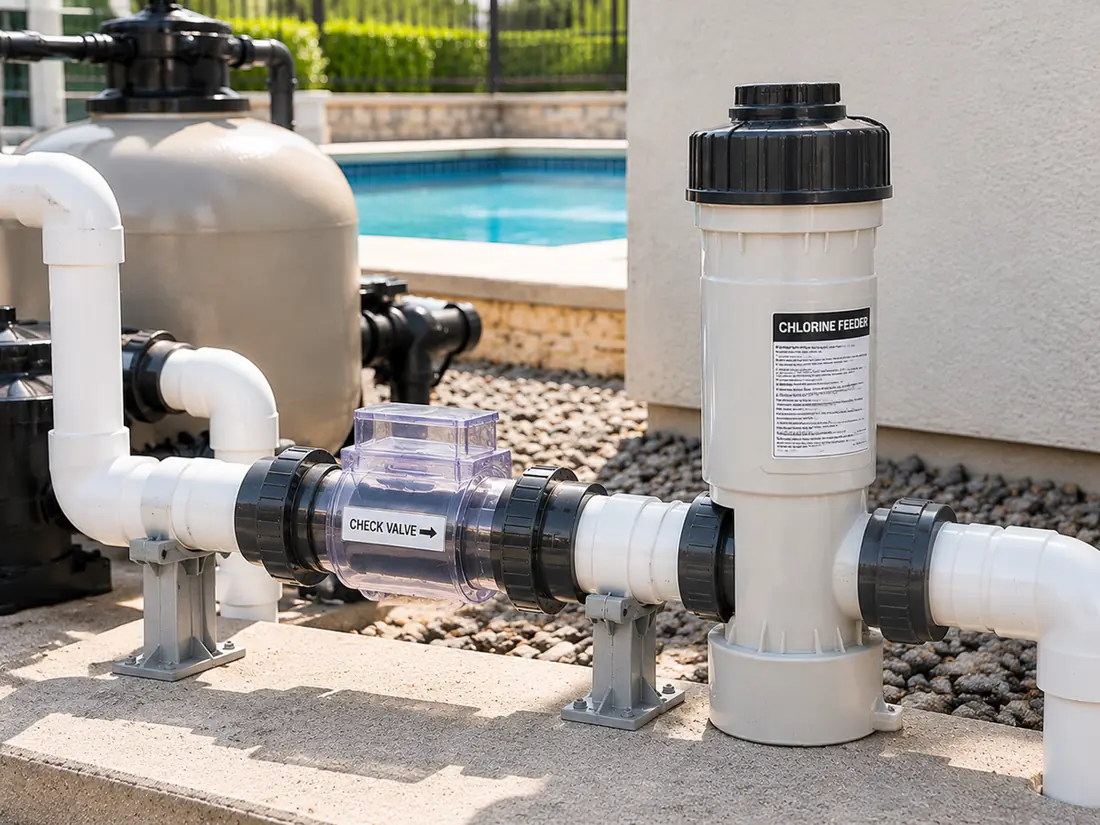
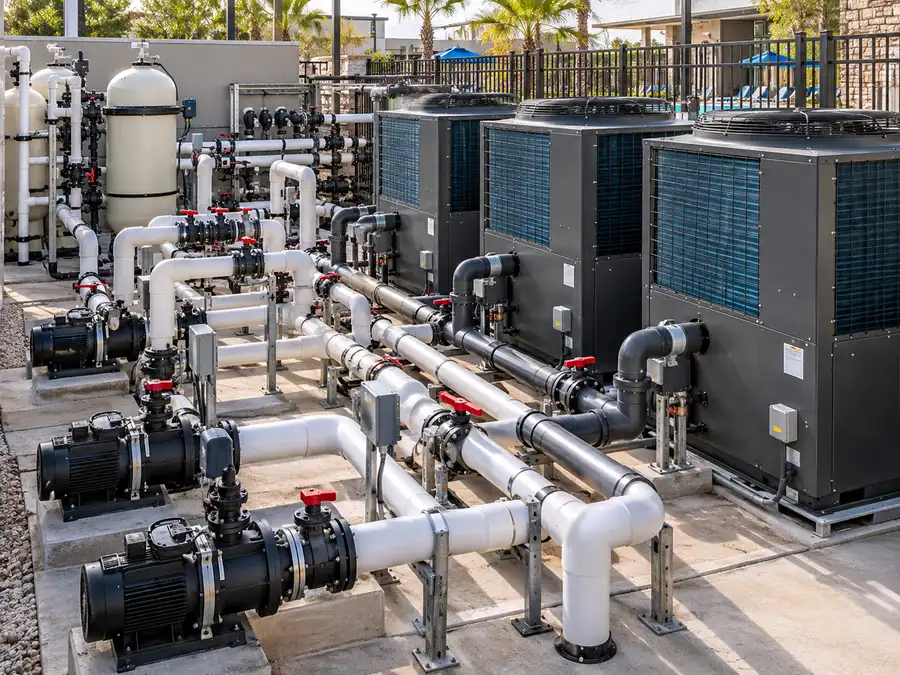
The usual water route is pool pump → filter → heat pump → pool return. If the system has a chlorinator or chemical feeder, it normally goes after the heat pump, with the check valve or other backflow protection required by the equipment instructions.
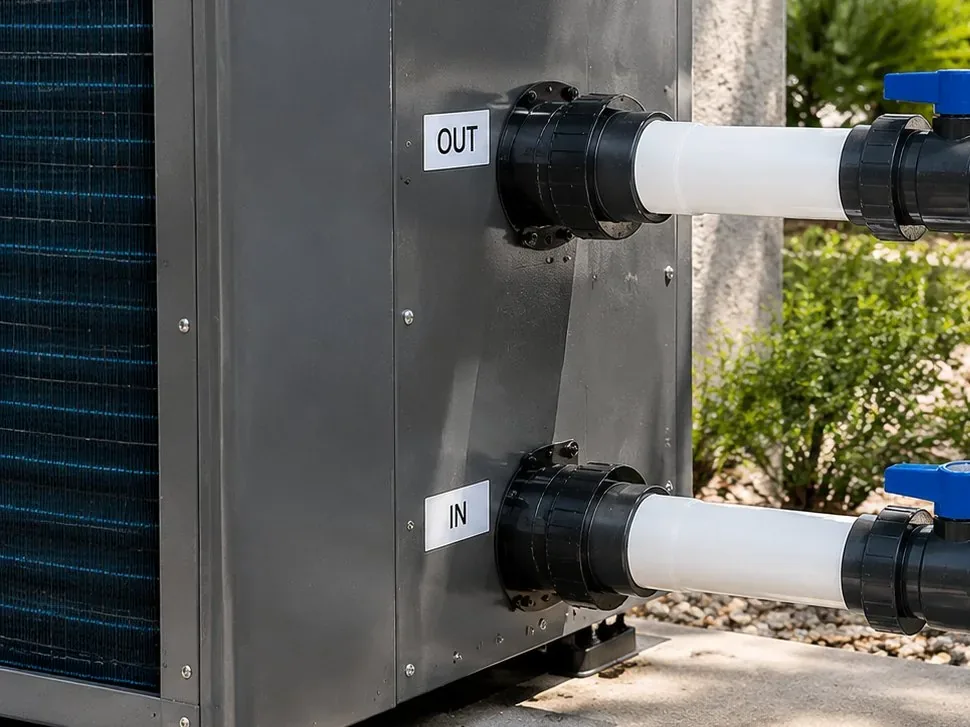
This water route is only a general guide, not a site-specific piping drawing. The installation layout must show the downstream chemical feeder and any required backflow protection, valves and water connections. Inside the heater, the heat exchanger transfers heat into the passing pool water; the model’s allowed flow range still applies. The heat pump schematic diagram guide explains how a refrigerant-cycle schematic, a water-side piping drawing and a site installation drawing differ; its generic examples do not replace the approved pool-heater piping layout.
Before changing the pipework, the authorized installer must stop circulation and safely isolate the section being opened. Check the heater’s marked inlet and outlet against the approved layout. Use the specified pipe sizes and fittings, include removable unions where required, and support the pipes so they do not pull on the heater connections. Follow the approved joining and curing procedure. Restore circulation only when the joints are ready, check for leaks by the manual’s permitted method, and verify heater flow before enabling heating.
If the heater sits much higher or lower than the pool water level, tell the installer before the pipe layout is finalized. On some models, this affects how the water-pressure switch detects circulation. The installer must follow the exact manual and verify real water flow and safe shutdown; a pressure-switch indication alone does not prove that the required flow is present. Some layouts may need a manufacturer-approved additional flow-sensing arrangement.
Does Every Pool Heat Pump Need a Bypass Valve?
No. A bypass valve is needed only when the model or pipe design calls for one. It lets some water flow around the heater, which can help control water flow or allow service work on certain systems. If set incorrectly, it can leave too little—or too much—water flowing through the heater.
Find the heater’s minimum, maximum and recommended water-flow rates in the manual. The pipes and valves must keep flow within those limits at every pump speed used for heating. If a manual bypass is fitted, set and mark it only after checking flow through the heater within the model’s allowed range. For a pool-and-spa system or an automated valve arrangement, test every mode that can call for heat. A valve change may send water around the heater or reduce its flow even when the circulation pump is running. The heat pump must not keep heating without the required flow. Do not assume that opening the bypass fully fixes a low-flow problem.
Where Do the Chlorinator and Check Valve Go?
Install the chlorinator or chemical feeder after the heat pump. Use the check valve or other backflow protection required by the manuals so strong treatment chemicals cannot flow backward into the heater when the pump stops.
Even if the pool water is normally balanced, concentrated chlorine, bromine or acid can damage the heater if it flows backward. The installer must also check pipe height differences, water being drawn backward by siphoning, and whether chemical dosing stops when circulation stops. Pools with more than one heater or automated chemical dosing need an approved pipe layout and any applicable public-pool requirements. For a public aquatic facility, the CDC Model Aquatic Health Code (MAHC) provides reference guidance for aquatic facility design and operation. It is a model code, not a nationwide federal installation mandate; check what the local authority has actually adopted. Also check the heater manual’s permitted pool-water chemistry and compatibility with the pool’s treatment system, including a salt-chlorine generator if one is used. Correct feeder placement does not by itself make an unsuitable heat exchanger compatible with every water condition.
What Electrical Installation Does a Pool Heat Pump Require?
Use the electrical supply and protective devices specified for the exact heat pump model. The electrician must check the voltage, phase, circuit capacity, shutoff switch, overcurrent protection, grounding, pool bonding and any required ground-fault circuit interrupter (GFCI) protection. A qualified electrician must install and test the circuit under the local electrical rules. In the United States, ask the electrician which edition of NFPA 70 (National Electrical Code) the local authority has adopted. The code reference is not a substitute for the exact model instructions or a site-specific electrical design.
Some small pool heat pumps use a receptacle approved for the model. Many larger units need their own hardwired circuit, and some commercial units need three-phase power. There is no one breaker size, wire size or voltage that works for every heater. The electrician must read the nameplate and model manual, check cable length and voltage drop, and confirm the electrical panel and wet-area rules. Grounding gives fault current a safe path. Equipotential bonding connects relevant metal parts so dangerous voltage differences are reduced. Both must be checked even when the heater appears to run normally.
As one example of why the exact model matters, the R410A residential swimming pool heat pump specifications list different single-phase and three-phase supply requirements. Those published 50 Hz values are not a substitute for confirming the correct supply frequency, nameplate and local electrical approval at a U.S. installation.
Before work starts, ask which permits, inspections and licensed trades your location requires. Rules differ between cities and states, so a general online checklist cannot confirm that your installation is legal. Most packaged pool heat pumps have a sealed refrigerant circuit. Do not try to add refrigerant yourself; any refrigerant service needs qualified personnel.
How Do You Commission the Heat Pump After Installation?
The job is not finished just because the screen turns on. The installer must start the heater, check water flow and electrical safety, confirm that the controls work, and record how the unit heats under the test conditions. These startup checks are called commissioning.
| Startup check | What the installer should test | What to do if it fails |
|---|---|---|
| Leaks | Run the pump and check the pipe joints, drains and fittings | Fix the leak and test again before use |
| Water flow and safety shutdown | Check flow at the scheduled pump speeds; confirm heating stops if water stops | Fix the pump, valves or controls before heating |
| Electrical safety | Record supply checks, protective devices, grounding, bonding and required inspections | Stop and have a qualified electrician correct the issue |
| Airflow and drainage | Check that the fan has clear airflow and condensate can drain away | Clear the obstruction or change the drainage route |
| Heating response | Record air and pool-water temperatures, humidity if required for the model’s performance comparison, water inlet/outlet temperatures, verified flow or pump setting, and stable operation | Compare the readings with the model manual under the same conditions |
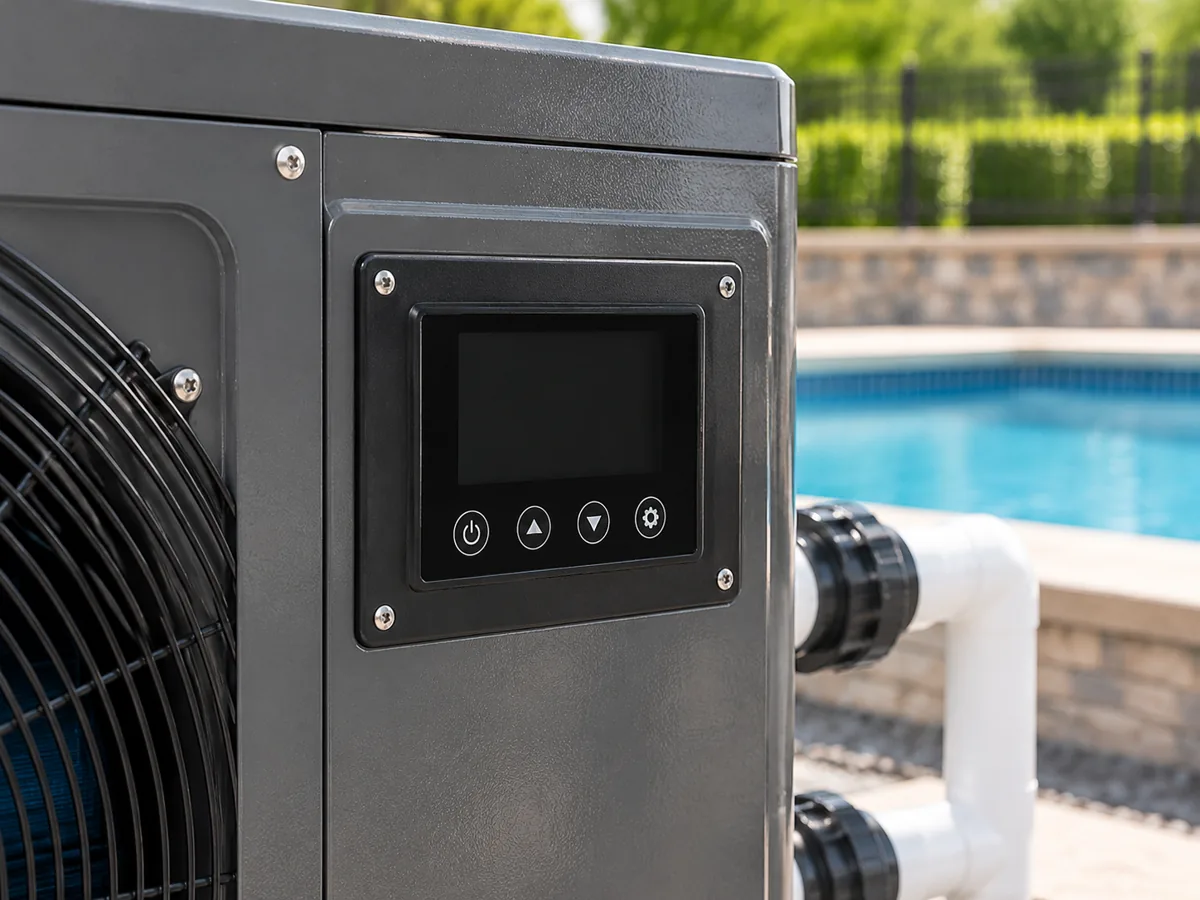
| Controls and handover | Show how temperature settings, timers, pool automation, error codes and winter care work | Correct settings and show the owner what to do |
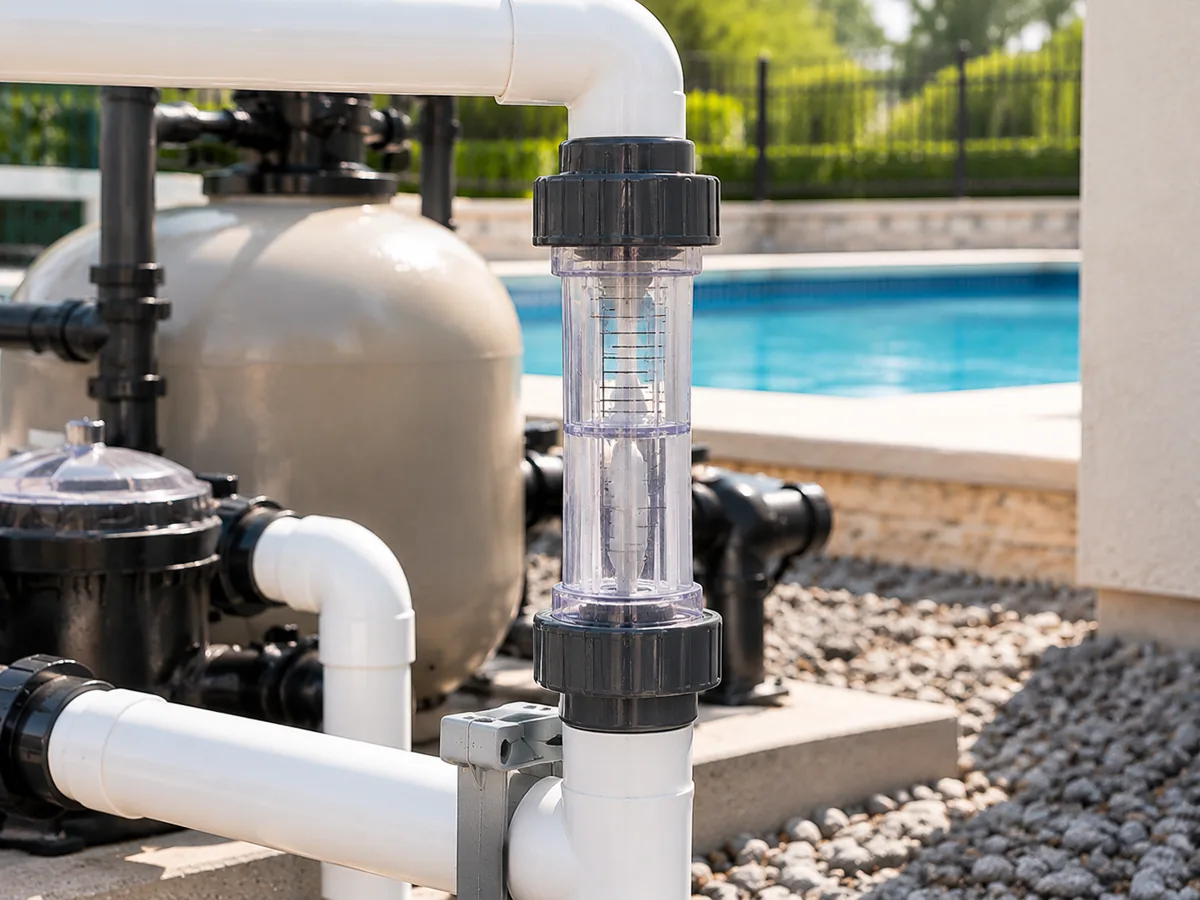
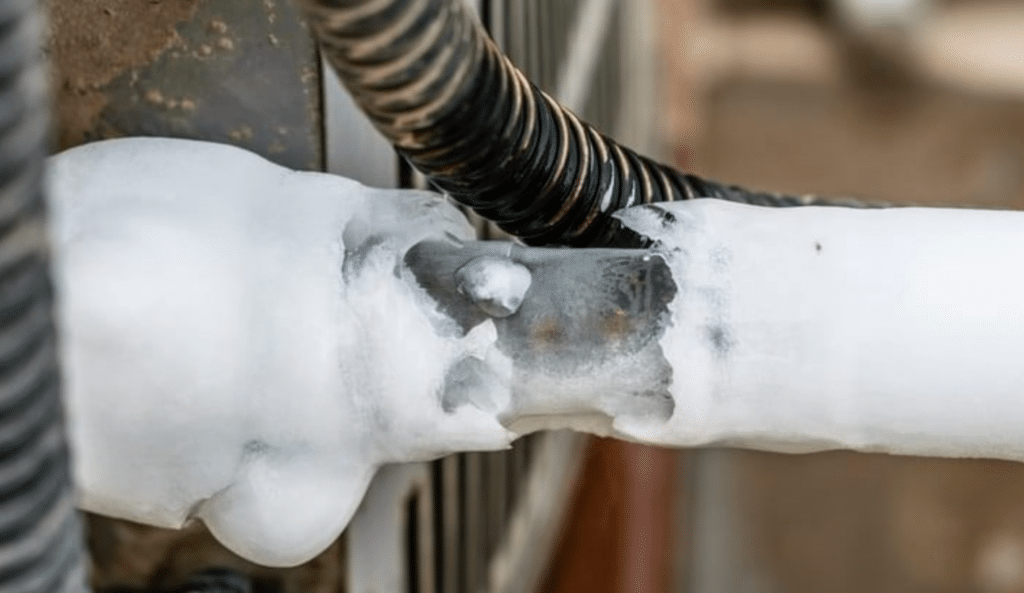
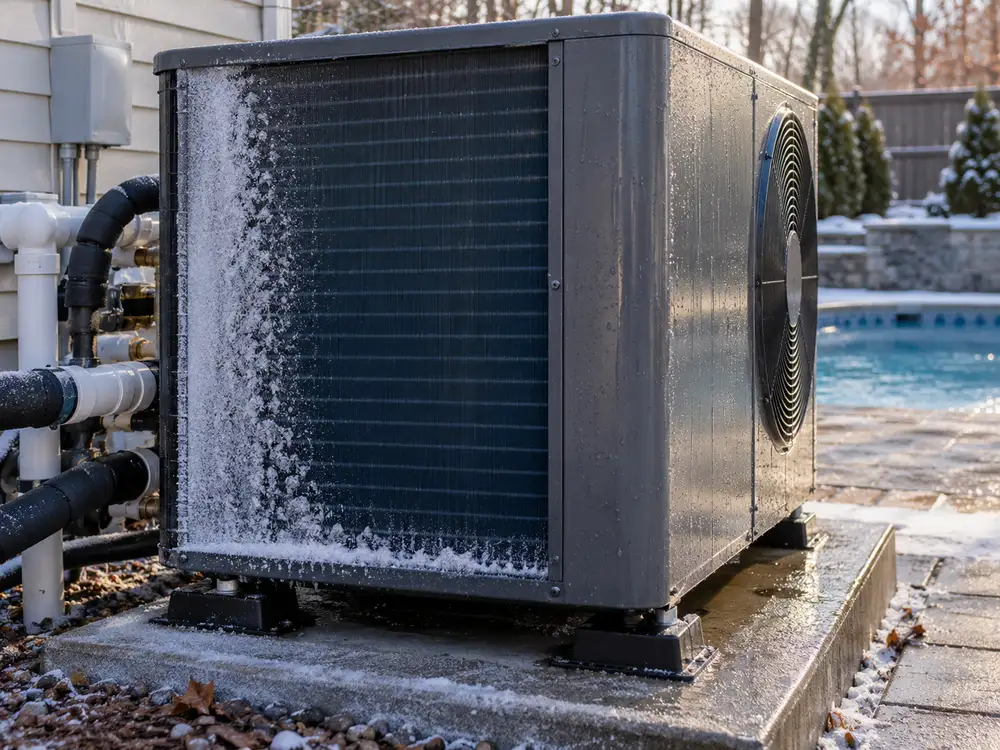
A small difference between entering and leaving water temperatures can be normal at higher flow rates. That difference alone cannot confirm the heater’s heating output without a reliable water-flow value and matching test conditions. Record water flow, pump speed, air temperature and pool-water temperature together. Let the unit settle into normal operation before comparing results. In cold weather, follow the model’s permitted operating range and freeze-protection or draining instructions.
Passing the startup checks confirms that the installation and safety controls operated as tested under the recorded conditions. It does not by itself prove that the whole pool will reach the target water temperature within a specified number of hours. If a heat-up target is part of the project requirements, agree on a separate operating check. Record pool-water temperature over time, outdoor conditions, cover use and actual heating hours, then compare the observations with the design estimate and the model’s output data under comparable conditions.
If a required flow, electrical, leak or control test fails, do not accept handover until the responsible installer corrects the fault and repeats the test.
Is Above-Ground Pool Heat Pump Installation Different?
The main steps are the same, but above-ground pools often have smaller hoses, a smaller filter pump and less room for equipment. Check that the heater works with those parts and with the available electrical supply before buying adapters or connecting pipes.
First check that the heater is approved for your pool size, water treatment and intended use. Then check whether the pool pump and filter can move enough water through it. Long flexible hoses, narrow adapters or a small cartridge filter may reduce flow. Use only the connections and pipe supports allowed by the manuals. A hose clamp or homemade adapter is not safe for every heater.
If the pool is closed for winter, follow the exact model’s instructions for draining or protecting the heater and exposed pipes. Do not assume an automatic freeze-protection function will protect a water-filled heater during a power outage or pump shutdown. A plug-in model still needs the receptacle and GFCI protection required for that heater and location; do not wire it as though it were a hardwired model. Check local pool-area electrical rules before powering it on.
How Much Does Pool Heat Pump Installation Cost?
Angi’s U.S. pool-heater cost guide, updated September 15, 2026, lists $2,500–$7,500 as an indicative installed price for a pool heat pump. This range covers the heater and installation together; it is not an Airproz price or a quotation for your site. New electrical circuits, panel changes, pipework, groundwork and permits can change the total. Check whether any other quoted figure includes both the equipment and installation or labor only.
| Part of the quote | What to ask the installer | Why the price may change |
|---|---|---|
| Heat pump | Exact model, rated performance conditions, warranty and included accessories | Pool heating needs and equipment efficiency |
| Electrical work | Panel check, circuit, shutoff, protection, bonding and permits | Cable distance, available panel capacity and local rules |
| Water pipes and valves | Pipes, unions, isolation valves, any needed bypass and chemical backflow protection | Existing pump/filter layout and access |
| Outdoor base and drainage | Base, supports, drainage, weather exposure and noise control | Ground condition and required clear space |
| Startup testing | Water-flow checks, safety tests, controls and handover records | Controls complexity and number of connected circuits |
Make sure every quote says whether it covers the heater and installation together or only the installation labor. Check the price of permits, inspection, startup and any electrical-panel work. Commercial pools and unusual layouts need their own detailed quotation. The cost of running the heater is separate: it depends on electricity use, running hours, the local tariff and heat lost from the pool.
Can You Install a Pool Heat Pump Yourself, and How Long Does It Take?
You can usually measure the site, clear access and collect pool and equipment details yourself. Whether you may install water piping depends on the model instructions and local rules. Electrical wiring, grounding, bonding and required inspections must be handled by people authorized for that work. The time needed depends on whether the base, pipes, electrical supply and permits are ready. Ask for a schedule that separates site preparation, plumbing and electrical work, required inspections and startup testing.
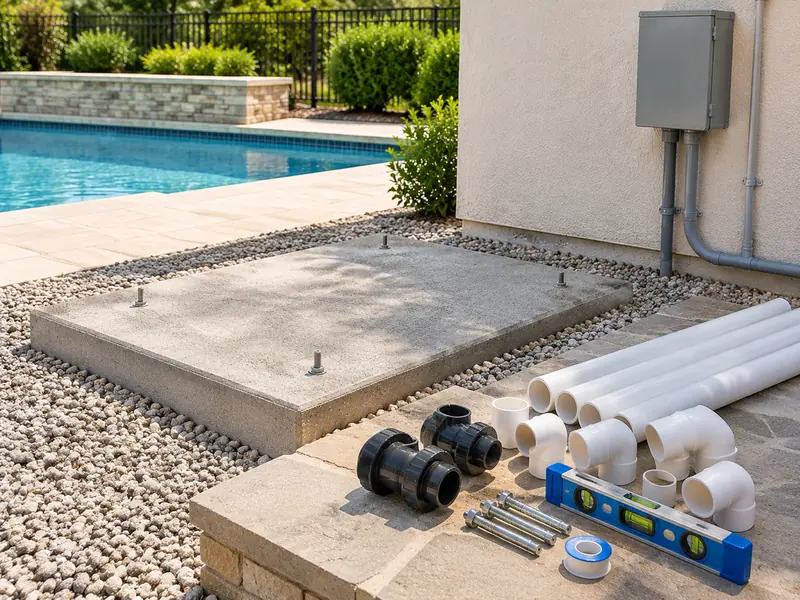
Before hiring an installer, ask who will connect the pool pipes, who will do the electrical work, who obtains permits and who tests the heater before handover. Check any installation conditions in the warranty. If a new pad, trench, panel upgrade or permit is needed, confirm who arranges it and how it affects the start date. If the power supply or clearances are unsuitable, change the plan rather than skip safety checks or force a connection.
The most useful DIY preparation is to collect the facts your installer needs: pool size and volume, use of a cover, swimming season, pump and filter model, pipe sizes, electrical-panel location, photos of the proposed base, and site restrictions. Never open a sealed refrigerant circuit or bypass a safety switch.
Why Is the Newly Installed Pool Heat Pump Not Heating?
If a circuit breaker or ground-fault protection device trips, or the heater shows signs of electrical damage, stop using it and have a qualified electrician investigate. Otherwise, start with safe checks: confirm that the pool pump is running, the heating setpoint is above the current pool-water temperature, the timer allows heating and no error code is showing. Then consider restricted water flow or cold weather. Do not assume the heater needs refrigerant.
| What you notice | What you can check safely | What the installer should check |
|---|---|---|
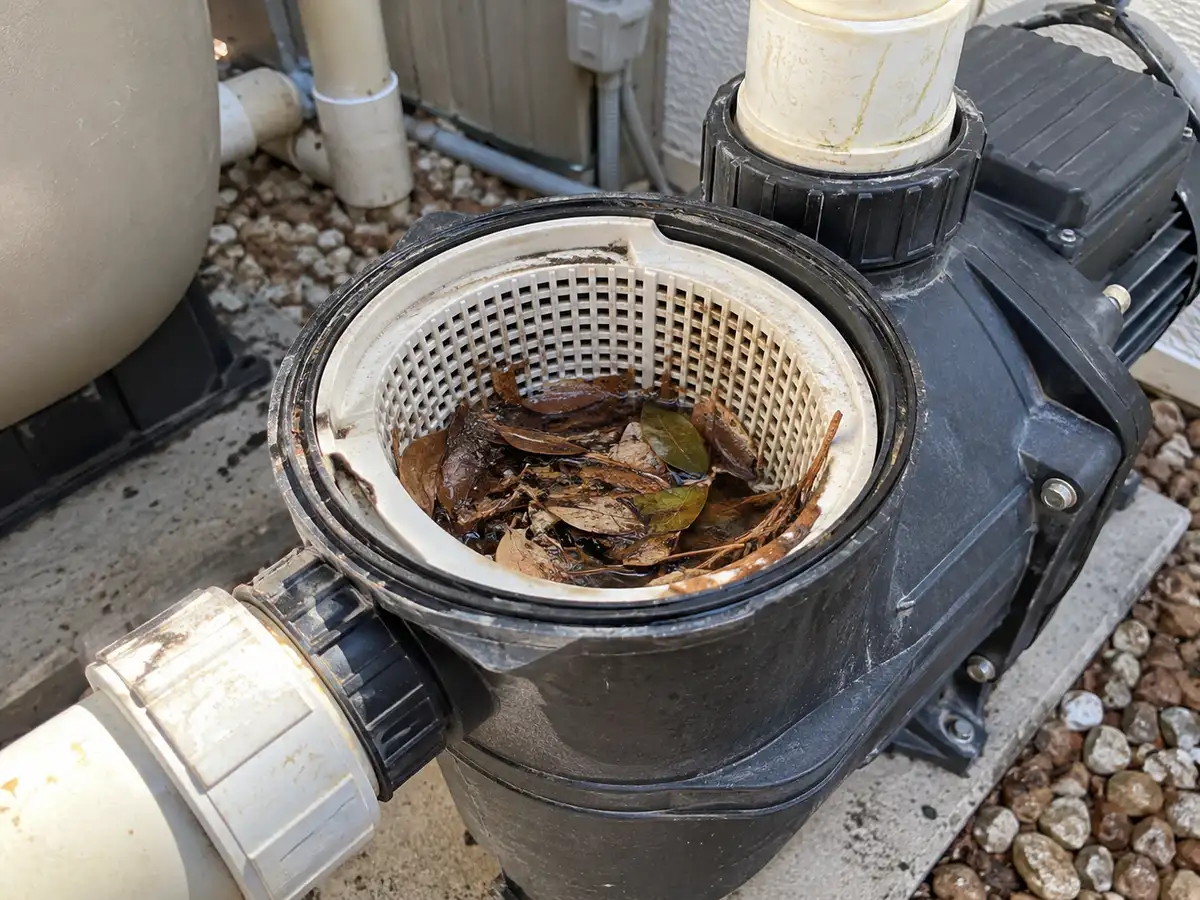
| Low-flow error | Is the pool pump running? Does the filter need cleaning? | Pump speed, measured flow, valve positions and the flow or pressure switch |
| Pool warms very slowly | Are you using a cover? Are nights cold or windy? | Compare pool heat loss and operating hours with the model’s expected output at the actual air and water temperatures. |
| Electrical protection trips | Save the error code; do not keep resetting the device | Power supply, protection, grounding, bonding and equipment faults |
| Water beneath the heater | Note whether the water looks like clear condensate or a pipe leak | Drainage and leak tests with the water circuit under pressure |
| Heater stops and starts | Check the set temperature, schedule and error message | Pool automation, safety switches and the unit’s allowed operating conditions |
Never bypass a flow switch to force the compressor to run. It is normal for a pool heat pump to drip water as moisture condenses from the air. But water leaking from pipe joints or continuing to leak under pressure needs checking. Without opening the cabinet or touching electrical parts, note where the water appears and whether it is near a pipe joint or the normal condensate drain. Record whether the circulation pump and heater were operating. If the source is uncertain or a joint may be leaking, stop use if needed and have the installer check the water connections using the approved test method. Use the fault information for your exact model, not a random online code list.
If there is no electrical-trip warning, save the fault code and note the pump and heat-call status. If the heater runs but the pool warms slowly, record cover use, wind, air and water temperatures and heating hours. Some models pause for defrost in approved cool-weather conditions; compare the behavior with the exact model instructions. If the problem returns, have the installer check circulation, power and controls before assuming a refrigerant fault. For qualified technicians diagnosing an R32 unit, the R32 pressure-temperature chart guide explains why a pressure reading alone cannot confirm refrigerant charge or identify a fault. It does not apply to other refrigerants or authorize homeowner refrigerant work.
What Should You Confirm Before Accepting an Installation Quote?
Before accepting a quote, make sure it names the exact heater and explains where it will go, how water will flow through it, what electrical work is included, how it will be tested, and what is not included. Without these details, two prices may cover very different jobs.
For a home pool, prepare the pool area and volume, target water temperature, swimming season, cover use, site location and equipment-pad photos. Record the filter-pump details and electrical-panel information too.
Ask for the exact model’s clearance drawing, proposed pipe layout, permitted water-flow range and electrical requirements. Compare available heating-output data at the expected air and pool-water temperatures. Confirm the permit plan and startup tests.
The written scope should say who supplies the heater, handles plumbing and electrical work, obtains required permits and records startup tests. Confirm who responds after handover to a faulty heater, leaking joint, wiring defect or installation error. Check product warranty terms separately from installation workmanship coverage. List exclusions and agree on how failed tests or unexpected site changes will be handled.
For a commercial pool, also provide daily use patterns, likely peak use, treatment-system details, backup-heating needs and controls. If a building management system (BMS) is used, confirm its connection requirements. Commercial sizing also needs a site-specific heat-loss calculation.
For a model-level example of how commercial heating test points, water-flow data and control interfaces are published together, see the R410A commercial swimming pool heat pump specifications. Its listed 380–415 V, three-phase, 50 Hz electrical supply is not a U.S.-project compatibility approval; confirm a locally suitable model and documentation before selection.
Frequently Asked Questions
Can a pool heat pump be installed next to the pool?
Only if the distance meets the chosen model’s manual and your local pool safety rules. A shorter water pipe is not a reason to ignore electrical separation, bonding, airflow or service space.
Does a pool heat pump need to run whenever the filter pump runs?
No. The pool pump may run for filtering even when the heater is off. But whenever the heat pump is heating, enough water must be flowing through it. Set the pump and heater schedules so heating stops when circulation stops.
Does a pool heat pump need refrigerant piping installed on site?
Usually, no. Most packaged pool heat pumps already contain a sealed refrigerant system, so the installer normally connects only the pool-water pipes and power supply. If the sealed system ever needs repair, use qualified refrigerant-service personnel.
Can a pool heat pump heat a swimming pool in cold weather?
Sometimes, yes—but only within the model’s approved outdoor temperature range. It also needs enough heating output to replace the heat the pool loses in that weather. Compare performance at the expected air and water temperatures, not only the advertised rating.
What Matters Most for a Safe Pool Heat Pump Installation?
A safe installation matches the heater to the pool’s heating needs, available water flow, electrical supply and outdoor space. The work is complete only after the installer checks safety, water circulation, controls and heating under recorded conditions.
Keep the exact model manual, permits where required, final valve and pump settings, startup readings and instructions for the pool owner. If a required test fails, have the problem corrected and tested again before accepting the installation.
Sources and model limits: U.S. Department of Energy research explains pool heat loss and why pool heat-pump ratings vary with air temperature, humidity and pool-water temperature. These are general technical findings, not specifications for an Airproz unit. Permitted flow, electrical connections, clearances, safety controls and winterizing instructions must be checked in the current installation manual for the exact installed model. Another manufacturer’s manual can illustrate such requirements but cannot establish Airproz specifications. The installed-cost range above is an Angi market estimate, not an Airproz quotation.